
Introduction
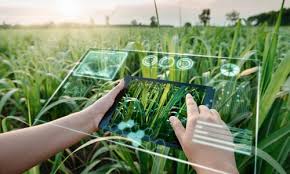
Ever stop to think about how the food on your plate actually gets there? It’s easy to imagine farmers toiling away under the sun, but today’s fields look a whole lot different. Picture this: drones buzzing over crops, sensors whispering soil secrets, and robotic harvesters working through the night. That’s not a sci-fi movie—it’s the reality of sustainable farming technology.
In a world where climate change, population growth, and dwindling natural resources are pressing issues, sustainable farming isn’t just a buzzword—it’s a survival strategy. And technology? Well, it’s the magic wand making it all possible. This innovative blend of green ethics and digital intelligence is revolutionising how we grow, manage, and distribute food.
Let’s dive deep into this brave new world of smart farming, where sustainability and innovation go hand in hand. Ready? Let’s roll up our sleeves and dig in!
The Rise of Sustainable Farming Technology
From Tradition to Transformation
For centuries, agriculture relied on tried-and-true methods: ploughing, planting, watering, and hoping for good weather. But as global populations ballooned, traditional methods couldn’t keep up. Enter sustainable farming technology—a game-changer that combines ecology, engineering, and innovation to produce more with less.
Unlike industrial farming, which often focuses on short-term gains, sustainable farming tech emphasises:
-
Efficiency — using resources like water, soil, and energy wisely.
-
Resilience — protecting ecosystems and biodiversity.
-
Equity — supporting local farmers and communities.
In essence, it’s about feeding the world without starving the planet.
Smart Tech Sprouting in the Fields
1. Precision Agriculture: When Every Drop Counts
Imagine being able to water each plant only when it’s thirsty or add fertiliser exactly where it’s needed. That’s precision agriculture, and it’s one of the cornerstones of sustainable farming technology.
Using tools like GPS mapping, IoT sensors, and algorithms, farmers can monitor:
-
Soil moisture and nutrient levels
-
Weather forecasts and temperature shifts
-
Pest infestations before they spiral out of control
This data-driven approach means fewer chemicals, less waste, and higher yields. It’s like having a Fitbit for your farm!
2. Drones and Satellites: The Sky’s the Limit
No longer just for hobbyists, drones have become indispensable in modern agriculture. These flying marvels help farmers:
-
Capture real-time aerial images to detect crop stress
-
Spray fertilisers and pesticides more accurately
-
Monitor large fields without breaking a sweat
Paired with satellite imaging, drones give farmers a bird’s-eye view—literally—of their operations. This synergy helps reduce water waste, detect diseases early, and keep carbon footprints low.
3. Robotics: The Future Is Now
Say goodbye to backbreaking manual labour! Artificial intelligence and robotics are quietly taking over repetitive, time-consuming farm tasks. Self-driving tractors, robotic weeders, and automated harvesters now roam the fields, saving time and resources.
Systems also analyse patterns, predict pest outbreaks, and even recommend planting schedules. The result? Healthier crops, happier farmers, and a lighter environmental load.
4. Hydroponics and Aquaponics: Farming Without Soil? You Bet!
What if you could grow lettuce without a single speck of dirt? Welcome to hydroponics—a soilless farming technique where plants grow in nutrient-rich water. Add fish into the mix (aquaponics), and you’ve got a symbiotic system where fish waste nourishes the plants, and plants clean the water for the fish.
These closed-loop systems are perfect for urban settings or areas with poor soil quality. They use up to 90% less water than traditional farming—talk about efficient!
5. Renewable Energy: Sun, Wind, and Biofuel Power
Sustainability means cutting down on fossil fuels. That’s why many farms are turning to renewable energy sources like solar panels, wind turbines, and biomass converters.
Imagine solar-powered irrigation systems or wind-driven grain dryers—it’s eco-friendly farming at its best. Plus, some farms even generate surplus energy, feeding it back into the grid for profit.
The Environmental Edge of Sustainable Farming Technology
Let’s face it: industrial farming has taken a toll on the planet. From deforestation to greenhouse gas emissions, the costs are staggering. Thankfully, sustainable farming technology is helping to reverse the damage.
Reducing Carbon Emissions
Through smarter machinery and reduced fertiliser use, farms can dramatically cut CO₂ emissions. Systems also help plan crop rotations that naturally replenish soil nutrients, reducing the need for synthetic fertilisers.
Conserving Water
Tech-driven irrigation systems—like drip irrigation and moisture sensors—ensure not a single drop is wasted. With climate change wreaking havoc on rainfall patterns, every drop counts.
Protecting Biodiversity
Smart land management systems promote diverse planting, which attracts pollinators and supports local ecosystems. No more monoculture madness!
Real-World Examples: Tech in Action
The Netherlands: Feeding the World, Sustainably
The Netherlands might be small, but it’s a giant in sustainable agriculture. Dutch farmers use climate-controlled greenhouses, vertical farming, and driven analytics to maximise productivity while slashing water usage by up to 90%.
Kenya: Solar-Powered Irrigation
In drought-prone Kenya, solar-powered pumps are changing lives. These systems allow small-scale farmers to irrigate fields even during dry seasons, ensuring steady crop yields and stable incomes.
The U.S.: in the Heartland
American farms are experimenting with machine learning algorithms that predict crop health and market trends. The result? Less waste, better prices, and smarter decisions.
Challenges on the Horizon
Of course, it’s not all sunshine and rainbows. Implementing sustainable farming technology isn’t cheap or easy.
Cost Barriers
High-tech equipment—like drones or systems—can be expensive, especially for small farmers. Governments and NGOs are stepping in with grants and subsidies, but accessibility remains a hurdle.
Knowledge Gaps
You can’t just hand someone a drone and expect miracles. Farmers need training and technical know-how to make the most of these tools.
Data Privacy
With so much digital monitoring, there’s always the question: who owns the data? Protecting farmers’ information is crucial in this data-driven age.
The Human Side: Farmers at the Heart of It All
Behind all the fancy gadgets and green promises, the real heroes are the farmers. Sustainable farming tech doesn’t replace them—it empowers them.
Empowerment Through Education
Workshops, digital literacy programs, and local tech hubs are helping farmers embrace innovation without losing their traditional wisdom.
Bridging Generations
Younger farmers—born in the digital era—are bridging the gap between old and new, blending ancestral farming knowledge with cutting-edge technology.
The Future of Food: What Lies Ahead?
The future of farming looks thrillingly bright. Imagine predicting harvest seasons perfectly, or smart greenhouses self-adjusting to weather changes. Vertical farms in skyscrapers might even make fresh produce a stone’s throw away from city apartments.
Here’s what the future may hold:
-
Carbon-neutral farms powered entirely by renewables.
-
Blockchain-based food tracing for total transparency.
-
Bioengineering that creates pest-resistant yet natural crops.
-
Smart soil regeneration powered by microbial tech.
It’s not just farming anymore—it’s future crafting.
FAQs About Sustainable Farming Technology
Q1. What exactly is sustainable farming technology?
It’s the use of modern tools—like sensors, renewable energy, and robotics—to make farming more eco-friendly, efficient, and productive while minimising environmental harm.
Q2. Can small farmers afford sustainable farming technologies?
Not always easily, but costs are dropping fast. Plus, many organisations now offer subsidies, shared equipment, and low-interest loans to help smaller farms go green.
Q3. Is sustainable farming technology really eco-friendly?
Yes! These technologies help conserve water, cut emissions, and protect biodiversity. However, the key lies in proper implementation and responsible use.
Q4. What’s the most popular sustainable farming tech today?
Precision agriculture and solar-powered irrigation top the list, followed closely by drones and hydroponic systems.
Q5. How can everyday people support sustainable farming?
Buy local, organic produce, support eco-friendly brands, and advocate for green agricultural policies. Every choice matters!
Conclusion: Cultivating a Greener Tomorrow
At its heart, sustainable farming technology isn’t just about gadgets—it’s about balance. It’s about blending innovation with intuition, progress with preservation, and efficiency with empathy.
As the world stands at the crossroads of hunger and climate change, these technologies offer a beacon of hope. They promise not just a greener planet but also a fairer, smarter, and more resilient food system for generations to come.
So next time you bite into a juicy tomato or a crisp apple, think of the drones, sensors, and solar panels working tirelessly behind the scenes. The future of farming is already here—and it’s sustainably sensational! 🌾
