
Introduction
In today’s fast-paced digital world, data has become the lifeblood of organizations. Every interaction, transaction, and digital footprint produces valuable information that can drive decisions, fuel innovation, and transform industries. However, the real challenge lies not in collecting data but in connecting, integrating, and managing it efficiently. This is where DataFabric steps in.
DataFabric is more than just a buzzword—it is a powerful architecture that allows enterprises to unify data across multiple platforms, clouds, and environments, making it easily accessible and usable for innovation. By connecting fragmented data silos and creating a seamless data layer, DataFabric ensures that businesses can make faster, smarter, and more accurate decisions.
This article explores what DataFabric is, how it connects data, and how it drives innovation across industries.
What is DataFabric?
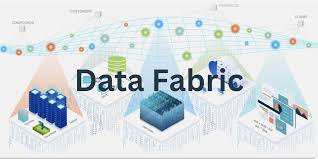
DataFabric is an emerging data management approach that integrates diverse data sources into a unified and intelligent data ecosystem. Unlike traditional systems that store data in isolated silos, DataFabric provides a single framework that makes data available across applications, cloud platforms, and on-premises infrastructure.
Think of it as a fabric weaving together different threads of data, connecting everything into one cohesive whole. It ensures that:
-
Data can move freely between systems.
-
Insights can be derived in real time.
-
Businesses gain a holistic view of operations, customers, and markets.
In simple terms, DataFabric is the bridge between raw data and actionable insights.
The Importance of Connecting Data
Most organizations today face one major issue: data fragmentation. Different departments often use separate tools, systems, or cloud providers, leading to data duplication, inconsistencies, and inefficiencies. For example:
-
Marketing teams may store customer insights in CRM tools.
-
Finance departments may keep records in ERP systems.
-
Operations may use cloud-based dashboards.
When these systems do not “talk” to each other, organizations miss out on the bigger picture.
DataFabric solves this problem by connecting all data sources. This connectivity helps organizations:
-
Break data silos – Ensuring no information is locked away.
-
Improve accessibility – Teams can access the same, trusted data from anywhere.
-
Enable real-time insights – Decisions can be based on live information rather than outdated reports.
-
Increase collaboration – Departments can work together with unified datasets.
By connecting data, companies unlock opportunities for innovation, efficiency, and growth.
How DataFabric Drives Innovation
The true power of DataFabric lies in its ability to fuel innovation. Here are several ways it empowers organizations to stay ahead:
1. Real-Time Decision Making
Businesses no longer have the luxury of waiting days for reports. With DataFabric, leaders can access real-time dashboards and predictive analytics that allow them to make quick and informed decisions.
2. Personalized Customer Experiences
By unifying customer data from different touchpoints—social media, websites, purchases, and support interactions—DataFabric helps companies deliver personalized experiences. For instance, e-commerce platforms can recommend products based on browsing and buying patterns.
3. Advanced Analytics and AI
DataFabric provides a foundation for artificial intelligence and machine learning. With clean, connected, and structured data, algorithms can generate powerful insights, identify patterns, and even predict future trends.
4. Faster Innovation Cycles
When developers, analysts, and business leaders have access to the same data, they can innovate faster. Whether it’s creating a new product, optimizing supply chains, or entering new markets, DataFabric accelerates the process.
5. Improved Compliance and Security
Regulatory compliance is a challenge for organizations dealing with large volumes of data. DataFabric ensures centralized governance and monitoring, which reduces risks and ensures data privacy.
Real-World Applications of DataFabric
DataFabric is not just a theory; it is already reshaping industries:
-
Healthcare: Hospitals use DataFabric to integrate patient records, lab results, and diagnostic images, enabling doctors to make faster, life-saving decisions.
-
Finance: Banks leverage DataFabric to detect fraud by connecting transaction data across multiple systems in real time.
-
Retail: E-commerce platforms use DataFabric to provide personalized recommendations, improve supply chain management, and optimize pricing strategies.
-
Manufacturing: Companies connect IoT sensor data from machines to monitor performance, predict failures, and reduce downtime.
-
Telecommunications: Service providers use DataFabric to connect customer data, network data, and service insights to improve connectivity and customer satisfaction.
These use cases highlight how DataFabric is driving innovation across every sector.
Benefits of DataFabric
Some key benefits of adopting a DataFabric approach include:
-
Unified Data Access – No matter where data is stored, it is accessible.
-
Improved Agility – Businesses can adapt quickly to market changes.
-
Reduced Costs – Less duplication, fewer silos, and more efficient data management.
-
Scalability – Supports future technologies and growing data volumes.
-
Competitive Advantage – Faster insights mean smarter strategies.
Challenges in Implementing DataFabric
While DataFabric offers massive potential, organizations may face challenges such as:
-
High initial investment in infrastructure and tools.
-
Complex integration with legacy systems.
-
Data governance issues requiring strict security measures.
-
Skill gaps in managing advanced data platforms.
However, with the right strategy and technology partners, these challenges can be overcome.
The Future of DataFabric
As digital transformation accelerates, DataFabric will become the backbone of intelligent enterprises. With the rise of edge computing, IoT, and AI, the need for connected, secure, and scalable data systems will only grow.
Experts predict that DataFabric will evolve with:
-
More automation in data integration.
-
AI-driven governance for better compliance.
-
Greater cloud adoption with hybrid and multi-cloud architectures.
-
Increased use of real-time analytics for innovation.
In the future, organizations that master DataFabric will be the leaders in their industries.
Conclusion
In an era where data is the most valuable asset, organizations cannot afford to let it remain fragmented or underutilized. DataFabric: Connecting Data, Driving Innovation is not just a concept—it is a necessity for enterprises seeking growth, agility, and competitiveness.
By weaving together diverse data sources into a single, intelligent fabric, businesses can unlock insights, fuel creativity, and drive meaningful innovation. Whether it is healthcare saving lives, retailers enhancing customer journeys, or manufacturers improving efficiency, DataFabric is the invisible thread shaping the future of digital transformation.
In short, DataFabric connects the dots between data and innovation, turning information into inspiration and opportunities into achievements.
