
In today’s fast-paced digital era, technology has seamlessly integrated into nearly every aspect of our lives. Among the most impactful innovations of recent years are smart devices—gadgets and systems designed to make everyday tasks easier, faster, and more efficient. From voice-controlled assistants and wearable health trackers to smart appliances and interconnected homes, smart devices are redefining convenience and shaping the future of human living. The growing power of these technologies highlights not only their role in improving lifestyle but also their potential to transform the world around us.
Understanding Smart Devices
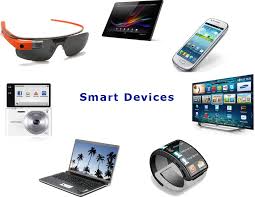
Smart devices are electronic gadgets that connect to the internet or other networks, enabling them to collect, share, and analyze data. Unlike traditional devices, these tools use automation, artificial intelligence, and connectivity to perform tasks with minimal human input. Examples include smartphones, smartwatches, smart TVs, home security systems, and even advanced appliances like refrigerators that can suggest recipes or alert users when groceries are running low.
The core idea behind smart devices is efficiency and intelligence. They do not just perform basic functions but learn from user behavior, adapt to preferences, and offer personalized solutions. This makes them a central part of the Internet of Things (IoT), where multiple devices communicate with each other to create a connected ecosystem.
Smart Devices in Everyday Life
The influence of smart devices is visible in every sector of daily life. At home, smart speakers like Amazon Echo or Google Nest allow people to control lighting, temperature, and entertainment systems using voice commands. In the kitchen, smart ovens and refrigerators simplify cooking and food storage. In healthcare, wearable devices like smartwatches or fitness bands monitor heart rate, sleep cycles, and physical activity, giving individuals real-time insights into their well-being.
Work environments also benefit from smart technologies. Smart printers, cloud-connected tools, and AI-based assistants improve productivity and communication. Even transportation has been revolutionized by devices like GPS-based navigation systems, ride-sharing apps, and the development of autonomous vehicles.
The presence of smart devices is no longer a luxury; it is quickly becoming a necessity in modern life.
Benefits of Smart Devices
- Convenience – Smart devices save time and effort. Voice assistants can manage schedules, set reminders, or answer questions instantly.
- Energy Efficiency – Smart thermostats and lighting systems help reduce energy usage by adapting to patterns of use.
- Health and Safety – Wearables monitor physical health, while smart security systems protect homes with real-time alerts.
- Personalization – These devices learn from user behavior, offering recommendations tailored to individual preferences.
- Connectivity – Through IoT, smart devices communicate with each other, creating a seamless ecosystem.
Challenges and Concerns
Despite their advantages, smart devices raise certain challenges. One major concern is privacy and data security. Since these devices constantly collect personal information, there is a risk of data misuse or hacking. Another issue is dependency; as people increasingly rely on devices for basic tasks, critical thinking and manual skills may weaken. Additionally, the high cost of smart devices limits accessibility for some communities, creating a digital divide.
The Future of Smart Devices
The future of smart devices looks both promising and exciting. With advancements in artificial intelligence, 5G networks, and machine learning, these devices will become even more powerful, efficient, and interconnected. Imagine smart cities where traffic, healthcare, energy, and security are all managed by intelligent systems working in harmony.
Wearables may evolve into advanced health devices capable of detecting illnesses early, while smart homes could become fully automated environments that anticipate human needs. The integration of smart devices with blockchain technology might also improve security and transparency, reducing risks of data theft.
Smarter Living, Smarter World
Ultimately, the power of smart devices lies in their ability to enhance quality of life. By combining convenience, safety, and personalization, they empower individuals to focus on creativity, productivity, and meaningful activities rather than repetitive tasks. On a larger scale, smart devices have the potential to solve global challenges, from reducing energy consumption to improving healthcare accessibility.
However, society must also ensure ethical and responsible use of these technologies. Striking the right balance between innovation and privacy, accessibility and affordability, is key to building a smarter world that benefits everyone.
Conclusion
Smart devices are more than just technological gadgets; they represent a revolution in how humans interact with their surroundings. They are making lives smarter, homes more secure, workplaces more efficient, and societies more connected. As innovation continues to grow, the power of smart devices will expand, shaping a smarter living and smarter world for generations to come.
