
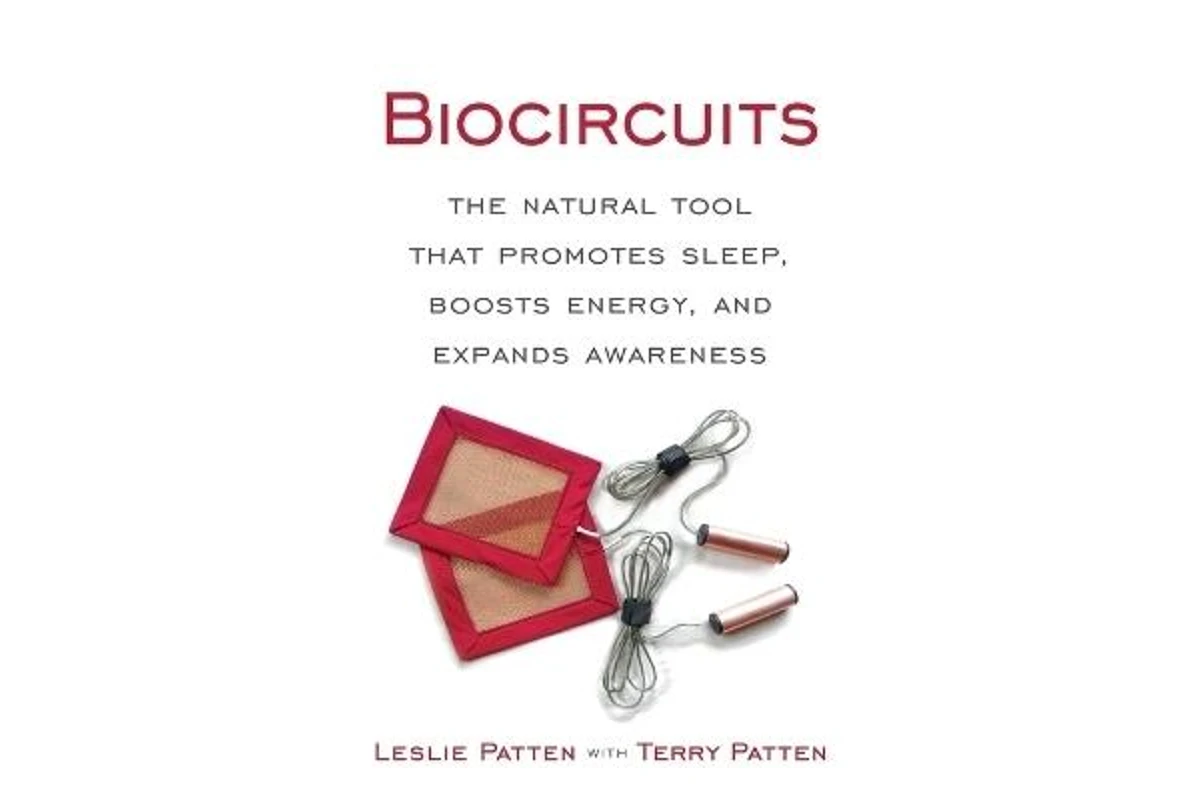
In the evolving landscape of technology, one concept is quietly gaining momentum, promising to reshape the very fabric of how we perceive innovation—BioCircuitry. It is more than just a fusion of biology and electronics; it is the dawn of an era where living systems and digital intelligence converge to create solutions once thought impossible. As we look toward tomorrow, BioCircuitry is emerging as the foundation of smarter healthcare, sustainable energy, next-generation computing, and even human enhancement.
What is BioCircuitry?
At its core, BioCircuitry refers to the integration of biological systems with electronic circuits. This involves engineering living cells or biological molecules so they can interact with, power, or even become part of electronic devices. Unlike traditional circuits made from silicon and metals, BioCircuitry draws its inspiration and structure from the natural world. Imagine neurons acting as processors, DNA sequences functioning as memory storage, or proteins being used as sensors—the possibilities are vast.
BioCircuitry is not just about creating electronic devices that mimic biology but about harnessing biology itself as a technological medium. This makes it inherently adaptive, self-repairing, and sustainable, setting it apart from conventional hardware.
The Convergence of Biology and Technology
For decades, technology has been advancing rapidly, but it often comes with challenges like limited resources, energy consumption, and e-waste. Meanwhile, nature has evolved highly efficient systems over billions of years. BioCircuitry bridges this gap by bringing together the efficiency of biology with the precision of electronics.
This convergence is already visible in research areas such as:
-
Synthetic Biology – where DNA is programmed like computer code to design new biological functions.
-
Neural Interfaces – linking human nervous systems with circuits to restore or enhance functions.
-
Bio-Sensors – using proteins or cells to detect changes in the environment, from pollutants to diseases.
-
Bio-Energy Circuits – leveraging living organisms to generate or store energy.
Applications of BioCircuitry
The real excitement around BioCircuitry comes from its wide range of practical applications, many of which are on the horizon.
1. Healthcare and Medicine
BioCircuitry is poised to revolutionise healthcare. Imagine an implantable circuit made of living cells that can monitor glucose levels in real-time and automatically release insulin when needed. Or consider neural circuits that restore mobility to patients with paralysis by bridging damaged connections in the spinal cord.
BioCircuits could also enable personalised medicine, where treatments adapt dynamically to a patient’s biology, offering precision and reducing side effects. For example, cancer-fighting circuits could detect tumor growth and release targeted drugs only when necessary.
2. Brain–Machine Interfaces
Our brains are naturally wired for processing complex information. With BioCircuitry, scientists are creating more seamless brain–computer interfaces (BCIs) that allow direct communication between neural networks and digital systems. This could mean new ways of controlling devices, augmenting memory, or even restoring lost senses like vision and hearing.
In the future, this may lead to enhanced cognitive abilities, where humans can process information at unprecedented speeds by linking organic neural networks with artificial intelligence.
3. Sustainable Energy Solutions
Traditional batteries and circuits rely heavily on rare earth metals and non-renewable resources. BioCircuitry offers an alternative through bio-batteries powered by enzymes, bacteria, or photosynthetic organisms. Such systems can generate clean, renewable energy while being biodegradable, significantly reducing environmental impact.
4. Environmental Monitoring
BioCircuitry can be designed to detect toxins, pollutants, or pathogens in the environment. For example, living circuits could be placed in water systems to continuously monitor contamination levels, alerting authorities before a crisis arises. This could play a major role in preventing public health disasters and maintaining ecological balance.
5. Computing Beyond Silicon
Moore’s Law—the principle that computing power doubles every two years—is reaching physical limits due to constraints in silicon-based chips. BioCircuitry opens the door to biological computing, where DNA, proteins, or neural cells act as processors and memory units. Such systems could surpass traditional computers in terms of efficiency, adaptability, and miniaturisation.
Challenges Ahead
As with any transformative technology, BioCircuitry comes with challenges:
-
Ethical Questions – How do we balance innovation with concerns about modifying life forms? Where do we draw the line between human enhancement and natural biology?
-
Safety Concerns – Integrating living cells into circuits requires careful oversight to avoid unintended consequences, such as harmful mutations or ecological imbalances.
-
Scalability – While laboratory prototypes exist, scaling BioCircuitry to mass production is still a significant hurdle.
-
Regulation – Governments and global organisations will need to establish policies to ensure safe and responsible development.
The Future of BioCircuitry
Despite these challenges, the future of BioCircuitry looks promising. Research labs worldwide are pushing boundaries, creating prototypes that blur the lines between living and non-living systems. In the next decade, we may see BioCircuitry integrated into everyday life—smart medical implants, self-powering wearable devices, environmentally responsive buildings, and bio-computers that outperform today’s supercomputers.
The long-term vision goes even further: BioCircuitry could pave the way for cyborg biology, where humans and machines coexist symbiotically. Instead of replacing natural systems, technology would enhance them, creating a more sustainable and adaptive future.
Conclusion
“Wiring Life” is not just a metaphor—it is a reality unfolding through BioCircuitry. By merging biology with electronics, humanity is stepping into an era where technology is no longer separate from life but an extension of it. This integration promises solutions to some of our most pressing challenges—healthcare, energy, environment, and computing—while also raising important questions about what it means to be human.
As we shape tomorrow, BioCircuitry stands as a testament to the incredible possibilities that arise when science looks to nature not as something to conquer, but as something to collaborate with.
