
Introduction
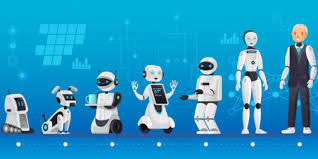
Robotics is no longer just a concept from science fiction movies—it has become one of the most transformative technologies of the modern era. From industrial factories to healthcare, space exploration to household chores, robots are redefining the way humans live and work. At its core, robotics is the intersection of engineering, computer science, and artificial intelligence, aimed at designing machines that can perform tasks either autonomously or with minimal human intervention. As technology continues to evolve, robotics is not only driving innovation but also paving the way for a future where automation becomes an essential part of everyday life.
The Evolution of Robotics
The history of robotics dates back centuries, with early inventors designing mechanical automata that mimicked human or animal movements. However, the real transformation began in the 20th century with the development of programmable machines. The first industrial robot, “Unimate,” was introduced in 1961 to work on a General Motors assembly line. This moment marked the beginning of a revolution in manufacturing, as robots could perform repetitive tasks faster, more accurately, and with fewer errors than humans.
Over the decades, advancements in sensors, computing power, and artificial intelligence have taken robotics far beyond factory floors. Today, robots are capable of learning, adapting, and collaborating with humans, which was once considered impossible.
Robotics in Industry and Manufacturing
One of the most significant impacts of robotics is seen in industrial automation. Factories across the globe use robotic arms and automated systems to assemble cars, electronics, and countless other products. Robots increase efficiency, reduce production costs, and ensure precision in processes that require high accuracy.
Collaborative robots, or “cobots,” are a newer generation designed to work alongside humans rather than replacing them. These robots assist workers in handling heavy machinery, assembling delicate components, and even ensuring workplace safety. As industries continue to face labor shortages, robotics provides a sustainable solution to maintain productivity and growth.
Robotics in Healthcare
In healthcare, robotics has opened a new era of precision and innovation. Surgical robots, such as the Da Vinci system, allow doctors to perform minimally invasive surgeries with exceptional accuracy. These machines translate a surgeon’s hand movements into micro-movements, reducing risks and recovery times for patients.
Robots are also being used in rehabilitation, helping patients regain mobility after injuries or strokes. Assistive robots support elderly individuals by providing companionship, monitoring vital signs, and performing household tasks. During the COVID-19 pandemic, robots were deployed in hospitals to disinfect rooms, deliver medicines, and reduce human exposure to infection.
Robotics in Daily Life
Beyond industries and hospitals, robotics has quietly entered our homes. Robotic vacuum cleaners, lawnmowers, and smart assistants have become part of everyday life. These technologies free up time for people to focus on more meaningful tasks while ensuring efficiency in household chores.
Educational robots are also gaining popularity, teaching children coding, problem-solving, and creativity. Such innovations demonstrate that robotics is not just about automation but also about empowering the next generation with new skills.
Robotics in Space Exploration
Space agencies like NASA and private companies such as SpaceX rely heavily on robotics for exploration. Robots can withstand extreme conditions that are dangerous for humans. The Mars rovers, such as Curiosity and Perseverance, are prime examples of how robotics has expanded human knowledge of the universe.
Robotic systems are also being designed for future missions, including lunar exploration and potential colonization of Mars. These robots will be responsible for tasks like habitat construction, resource extraction, and scientific research, enabling humans to push beyond the boundaries of Earth.
The Role of Artificial Intelligence in Robotics
Artificial intelligence (AI) has significantly enhanced the capabilities of robots. With AI, robots can perceive their surroundings, make decisions, and learn from experience. Machine learning allows robots to improve performance over time, while natural language processing enables them to communicate with humans more effectively.
Autonomous vehicles, for example, combine robotics with AI to navigate roads, recognize obstacles, and make real-time driving decisions. Similarly, drones powered by AI are used in agriculture, logistics, and disaster response, showcasing the potential of intelligent robotic systems.
Benefits of Robotics
The integration of robotics offers countless benefits:
-
Efficiency and Productivity: Robots can work tirelessly around the clock without fatigue.
-
Precision and Accuracy: Machines perform tasks with consistent quality, reducing human error.
-
Safety: Robots handle dangerous tasks, minimizing risks to human workers.
-
Innovation: Robotics pushes boundaries, creating new possibilities in science, technology, and business.
Challenges and Concerns
Despite its advantages, robotics also raises concerns. The most common issue is the fear of job displacement, as robots replace human labor in many industries. Ethical questions also arise about the extent of autonomy robots should have, especially in fields like defense or law enforcement.
Moreover, robotics relies heavily on data, making cybersecurity a critical concern. If hacked or misused, robots could cause harm or disrupt essential services. Ensuring safe, ethical, and responsible use of robotics is therefore crucial for the future.
The Future of Robotics
Looking ahead, robotics is expected to become more intelligent, flexible, and human-centered. Humanoid robots are being developed to perform tasks that require empathy, adaptability, and communication skills. The rise of service robots will further blur the line between human and machine collaboration.
In addition, robotics will play a central role in addressing global challenges such as climate change, aging populations, and disaster management. From autonomous ships cleaning oceans to robots planting trees, the possibilities are endless.
Conclusion
Robotics is not just about machines—it is about transforming the way humanity lives, works, and interacts with the world. By shaping the future of innovation and automation, robotics is opening doors to new opportunities that were unimaginable just a few decades ago. While challenges remain, the benefits of robotics far outweigh the risks, provided ethical considerations are kept in focus.
The journey of robotics is only beginning. As technology continues to evolve, robots will become even more integrated into society, working alongside humans to build a smarter, safer, and more innovative future.
