
Introduction
Technology has always been about pushing the boundaries of human imagination and making the impossible possible. Among the most revolutionary innovations of recent decades is Virtual Reality (VR). What was once considered a futuristic concept in science fiction movies has now become a part of real-world applications. Virtual Reality allows individuals to immerse themselves in computer-generated environments, offering experiences that feel real, interactive, and engaging. Whether in gaming, healthcare, education, or business, VR is transforming the way people learn, work, and connect. This article explores the concept of Virtual Reality, its applications, benefits, challenges, and how it is shaping the digital future.
Understanding Virtual Reality
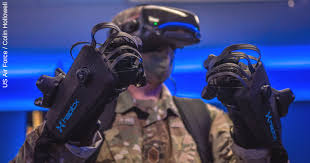
Virtual Reality is a simulated experience that uses computer technology to create a three-dimensional environment. Through VR headsets, gloves, and sensors, users can interact with virtual objects and spaces as if they were physically present. Unlike traditional screen-based experiences, VR goes beyond watching or reading—it allows people to step inside the digital world and become active participants.
The core of VR lies in immersion. By stimulating the senses of sight, sound, and sometimes touch, it tricks the brain into believing it is present in a different environment. This unique feature makes VR not only entertaining but also highly effective in industries where real-life simulations are valuable.
Applications of Virtual Reality
-
Gaming and Entertainment
Gaming has been the most popular and visible use of VR. Games like Beat Saber, Half-Life: Alyx, and VR Chat provide players with immersive experiences that are far beyond traditional gameplay. In the entertainment industry, VR is also used for virtual concerts, cinematic experiences, and interactive storytelling. -
Healthcare
Virtual Reality is transforming healthcare by helping doctors, surgeons, and therapists. For instance, VR is used in surgical training, allowing professionals to practice complex procedures in a safe, risk-free environment. It also supports therapy for anxiety, PTSD, and phobias by creating controlled simulations for gradual exposure. -
Education and Training
VR makes learning more interactive and engaging. Students can explore virtual classrooms, historical sites, or even space environments, making knowledge more memorable. In professional training, industries such as aviation, military, and manufacturing use VR simulations to prepare workers for real-life challenges. -
Business and Remote Work
With the rise of remote work, VR is providing solutions for virtual meetings, conferences, and collaborative workspaces. Instead of video calls, employees can feel present in a 3D environment, interact with colleagues, and even brainstorm using virtual whiteboards. -
Tourism and Real Estate
VR enables people to take virtual tours of tourist destinations or real estate properties without leaving their homes. This not only saves time but also helps individuals make informed decisions before traveling or purchasing property.
Benefits of Virtual Reality
-
Immersive Learning
VR offers hands-on learning experiences that improve understanding and retention. It makes complex subjects easier to grasp and provides practical training in risk-free settings. -
Cost and Time Efficiency
Training employees or students in real-world scenarios can be expensive and time-consuming. VR reduces costs by offering simulations that can be repeated without additional resources. -
Enhanced Engagement
Virtual experiences are more engaging than traditional methods. Users are more likely to stay focused and interested when actively participating in a VR simulation. -
Accessibility
VR can bring distant locations, expensive training, and rare experiences within reach. For instance, students can explore the pyramids of Egypt or the surface of Mars from their classrooms.
Challenges of Virtual Reality
Despite its benefits, VR faces several challenges:
-
High Cost of Equipment: VR headsets, sensors, and systems are still expensive for the average consumer.
-
Technical Limitations: Issues like motion sickness, low resolution, and limited mobility can affect the experience.
-
Content Development: Creating high-quality VR content is complex, requiring advanced skills and resources.
-
Adoption Barriers: Not everyone has access to VR technology, especially in developing regions.
The Future of Virtual Reality
The future of VR looks promising as technology continues to advance. With the development of lighter headsets, wireless connectivity, and more realistic simulations, VR will become more accessible and widespread. Integration with Artificial Intelligence (AI), Augmented Reality (AR), and 5G networks will further enhance VR experiences.
In the coming years, we can expect VR to play a bigger role in social interactions, online shopping, fitness, mental health, and even smart cities. It has the potential to revolutionize human communication by bridging physical distances and creating a shared digital universe—something often referred to as the Metaverse.
Conclusion
Virtual Reality is not just a technological innovation—it is a gateway to new possibilities. By creating immersive digital environments, it is reshaping industries, improving education, enhancing entertainment, and transforming the way people live and work. While challenges such as cost and accessibility remain, the rapid pace of innovation promises a future where VR becomes a mainstream tool for learning, communication, and exploration.
As we continue to immerse ourselves deeper into the digital frontier, Virtual Reality stands as a symbol of the boundless human imagination and the limitless future of digital experiences.
