
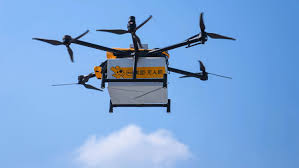
In the last two decades, one of the most transformative technologies to emerge in both civilian and military sectors has been the drone. Officially known as Unmanned Aerial Vehicles (UAVs), drones have rapidly evolved from niche gadgets to essential tools reshaping industries, societies, and even global security. From delivering packages to capturing breathtaking aerial photography and conducting complex military missions, drones are redefining innovation, connectivity, and the future of aerial technology.
Understanding Drones
Drones are aircraft that operate without an onboard human pilot. They can be remotely controlled by a human operator or fly autonomously through pre-programmed flight paths, often enhanced by artificial intelligence (AI), GPS, and advanced sensors.
The versatility of drones comes from their ability to perform tasks that were once costly, time-consuming, or dangerous for humans. Whether it is surveying inaccessible terrain, monitoring wildlife, or delivering medical supplies, drones provide efficiency, accuracy, and safety.
Evolution of Drone Technology
The history of drones dates back to the early 20th century when they were initially developed for military training and surveillance. During World War I, unmanned aircraft were tested for target practice and aerial missions. By World War II, drones were already being used for reconnaissance and tactical operations.
The late 20th century witnessed rapid progress as drones became integral to modern militaries. The U.S. military’s use of Predator drones in the 1990s and early 2000s marked a turning point in unmanned warfare.
In the civilian sector, drones remained relatively unknown until the 2010s, when advances in miniaturized electronics, GPS, and battery technology allowed consumer drones to enter the mainstream. Today, drones are used not only for hobbies like aerial photography but also for commercial, industrial, and humanitarian applications.
Applications of Drones in the Modern World
Drones have penetrated multiple sectors, making them indispensable in the digital and physical landscape. Key applications include:
1. Aerial Photography and Videography
Drones have revolutionized media by offering stunning aerial perspectives at a fraction of traditional costs. Filmmakers, journalists, and photographers use drones to capture landscapes, live events, and news coverage in ways that were previously impossible.
2. Delivery and Logistics
Companies like Amazon, UPS, and DHL are experimenting with drone-based deliveries to reduce costs and time. In remote areas, drones deliver medical supplies, vaccines, and emergency aid, making them life-saving tools in healthcare logistics.
3. Agriculture
Farmers use drones for precision agriculture—monitoring crop health, spraying fertilizers, and analyzing soil conditions. This allows better resource management, reduced costs, and improved yields.
4. Military and Defense
The defense sector continues to rely heavily on drones for reconnaissance, surveillance, and targeted missions. Drones reduce risks for soldiers by conducting operations in hostile or inaccessible areas.
5. Disaster Management and Humanitarian Aid
Drones play a critical role in disaster response. They can quickly assess damage after earthquakes, floods, or hurricanes, deliver supplies to affected areas, and support search-and-rescue missions by covering large areas efficiently.
6. Infrastructure and Construction
In construction, drones conduct site surveys, monitor progress, and inspect hard-to-reach areas like bridges or towers. This improves safety while reducing labor and inspection costs.
7. Environmental Protection and Research
Scientists use drones to monitor wildlife, track deforestation, and study climate change. Drones can capture real-time data from ecosystems without disturbing them.
8. Urban Mobility and Future Transport
The next frontier for drones is passenger transport. Companies are developing drone taxis and autonomous aerial vehicles to reduce traffic congestion and revolutionize urban mobility.
Advantages of Drone Technology
The adoption of drones is fueled by multiple benefits:
-
Efficiency – Drones perform tasks quickly and accurately, often at lower costs than traditional methods.
-
Safety – By taking on dangerous missions (e.g., inspecting high structures, entering disaster zones, or military surveillance), drones reduce human risk.
-
Accessibility – Drones can reach remote, hazardous, or otherwise inaccessible locations.
-
Cost-Effectiveness – From filming to delivery, drones reduce the need for expensive equipment, vehicles, and manpower.
-
Data Collection – Equipped with sensors and cameras, drones provide high-quality real-time data that aids decision-making.
Challenges and Concerns
Despite their advantages, drones face several challenges and raise concerns:
-
Privacy Issues – Drones equipped with cameras can infringe on individual privacy, sparking debates about surveillance and data misuse.
-
Airspace Regulation – The growing number of drones poses risks for aviation safety, requiring governments to implement strict regulations and traffic management systems.
-
Security Threats – Drones can be misused for illegal activities, such as smuggling, spying, or even terrorism.
-
Limited Battery Life – Most drones rely on batteries, limiting flight time and range.
-
Environmental Impact – While often seen as eco-friendly, large-scale drone use may increase energy consumption and contribute to e-waste.
The Role of AI and Connectivity
Artificial intelligence and advanced connectivity are taking drones to the next level. AI-powered drones can analyze environments, detect obstacles, and make real-time decisions. For instance, in agriculture, drones not only capture images of crops but also analyze plant health using AI.
Additionally, the integration of 5G connectivity ensures seamless real-time communication between drones and operators, enabling applications like coordinated drone swarms, live data streaming, and remote missions.
The Future of Drones
The future of drones promises even greater innovation and societal impact. Some key trends include:
-
Drone Taxis and Air Mobility – Companies like Uber Elevate and EHang are working on passenger drones, potentially reshaping urban transport.
-
Drone Swarms – Swarms of small drones working together could be used for surveillance, agriculture, or even entertainment events like light shows.
-
Healthcare Integration – Drones delivering critical medicines and organs for transplant could become standard practice.
-
Space Exploration – Drones are already being tested in extraterrestrial environments. NASA’s Mars Helicopter, Ingenuity, has demonstrated drone flight on another planet.
-
Sustainable Drones – Innovations in solar-powered and hydrogen-fueled drones may address battery life and environmental concerns.
Balancing Innovation with Responsibility
As drones become increasingly central to modern life, society must balance innovation with responsibility. Regulatory frameworks must evolve to ensure safety, privacy, and ethical use. Governments, businesses, and communities need to collaborate in creating airspace management systems that allow drones to coexist with traditional aviation.
Furthermore, drone manufacturers and operators have a responsibility to ensure transparency and accountability, preventing misuse while fostering trust in the technology.
Conclusion
Drones have progressed from military tools to indispensable assets across industries and daily life. They embody the spirit of innovation, offering new ways to connect people, deliver goods, and explore environments. By merging aerial technology with AI, connectivity, and sustainable practices, drones are poised to redefine the future of mobility, commerce, and security.
Yet, the journey is not without challenges. Privacy, safety, and ethical issues must be carefully addressed to unlock the full potential of drones. If harnessed responsibly, drones will not just remain tools of convenience and efficiency—they will become the cornerstone of a new era of innovation and connectivity, transforming the skies into highways of opportunity.
