
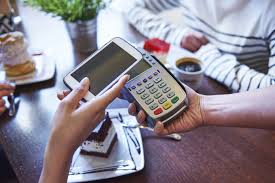
In today’s fast-paced digital world, convenience and speed are no longer luxuries—they are expectations. The rise of smartphones and mobile applications has redefined how people connect, communicate, and conduct business. Among the many innovations brought by mobile technology, mobile payments stand out as a game-changer. They have transformed how consumers purchase products, how businesses operate, and how financial systems function. From digital wallets to contactless transactions, mobile payments are reshaping the financial ecosystem and making transactions faster, safer, and smarter.
Understanding Mobile Payments
Mobile payments refer to financial transactions conducted through mobile devices such as smartphones, tablets, or wearables. Instead of relying on traditional payment methods like cash, checks, or even plastic cards, mobile payments use apps, digital wallets, or QR codes to transfer money. Popular examples include Apple Pay, Google Pay, Samsung Pay, PayPal, Venmo, Alipay, and various banking apps that integrate mobile payment features.
This technology eliminates the need for physical currency and offers a seamless experience where users can pay for products, transfer money, or even split bills with just a few taps on their device.
Evolution of Mobile Payments
The journey of mobile payments began with simple text-message-based transactions. Early adopters in developing countries, such as Kenya’s M-Pesa, showcased how mobile money could empower people without access to traditional banking. Over time, advancements in smartphones, internet connectivity, and fintech innovations expanded mobile payments into mainstream markets worldwide.
The introduction of Near Field Communication (NFC), QR codes, and biometric authentication further accelerated adoption. Today, mobile payments are integrated into e-commerce platforms, retail stores, transportation services, and peer-to-peer transactions.
Benefits of Mobile Payments
Mobile payments provide numerous advantages for both consumers and businesses:
-
Convenience – Users can make payments anytime and anywhere without carrying cash or cards.
-
Speed – Transactions are completed within seconds, reducing waiting times at checkout counters.
-
Security – Features such as encryption, tokenization, and biometric authentication (fingerprints, facial recognition) minimize risks of fraud and theft.
-
Cost Efficiency – Businesses save on infrastructure costs associated with traditional payment methods.
-
Contactless Transactions – Particularly during and after the COVID-19 pandemic, contactless mobile payments became essential for hygiene and safety.
-
Financial Inclusion – Mobile payments provide access to banking services for unbanked populations, particularly in developing regions.
Mobile Payments and Businesses
For businesses, adopting mobile payments is no longer optional—it is a necessity. Customers expect seamless digital experiences, and offering mobile payment options can significantly improve customer satisfaction and loyalty. Retailers, restaurants, ride-hailing apps, and e-commerce platforms all leverage mobile payment systems to provide a frictionless experience.
Moreover, businesses gain access to valuable data insights through mobile payment systems. This data helps companies understand customer preferences, optimize marketing campaigns, and personalize services.
Security Concerns in Mobile Payments
While mobile payments offer enhanced security compared to traditional methods, challenges remain. Cybercriminals constantly attempt to exploit vulnerabilities in apps, networks, and user behavior. Common concerns include:
-
Data breaches and unauthorized access.
-
Phishing attacks targeting users via fake apps or messages.
-
Malware and spyware on compromised devices.
-
User negligence such as weak passwords or unsecured devices.
To combat these risks, companies implement advanced technologies like tokenization (replacing card numbers with unique codes), end-to-end encryption, and multi-factor authentication. Users are also encouraged to keep their devices updated and use secure connections.
The Role of Fintech and Banks
The fintech revolution has played a major role in accelerating mobile payments. Startups and financial technology companies are innovating faster than traditional banks, offering easy-to-use apps, instant transfers, and integrated financial services.
However, banks are not standing still. Many have embraced mobile payment technologies by developing their own apps or partnering with fintech companies. The collaboration between traditional financial institutions and modern fintech players is bridging gaps, ensuring secure, scalable, and widely accepted solutions.
Mobile Payments Around the World
The adoption of mobile payments varies globally:
-
Asia is a leader, with China’s Alipay and WeChat Pay dominating the market. Mobile payments are part of everyday life, from shopping to paying utility bills.
-
Africa has leveraged mobile payments to empower the unbanked population. Services like M-Pesa have revolutionized access to money in countries like Kenya and Tanzania.
-
Europe and North America are witnessing rapid growth, with Apple Pay, Google Pay, and PayPal leading adoption. Increasing acceptance in retail stores and online platforms is driving expansion.
Future of Mobile Payments
The future of mobile payments looks promising and innovative. Several trends are shaping its trajectory:
-
Integration with Artificial Intelligence (AI) – AI will enhance fraud detection, personalize payment experiences, and improve customer support.
-
Blockchain and Cryptocurrency Payments – Decentralized finance (DeFi) and crypto wallets are expanding the definition of mobile payments.
-
Biometric Payments – Facial recognition, voice authentication, and even palm scanning will become more common.
-
Super Apps – Platforms combining payments, social interaction, shopping, and services (e.g., WeChat) will continue to gain popularity.
-
5G Technology – Faster networks will make transactions more seamless and reliable, boosting adoption.
Conclusion
Mobile payments are not just a technological advancement—they represent a cultural and economic shift in how people interact with money. By combining convenience, speed, and security, mobile payments are redefining transactions in the digital age. From financial inclusion in developing countries to enhanced user experiences in developed markets, the impact is global and transformative.
As businesses adapt and consumers embrace new digital habits, mobile payments will continue to expand, shaping the future of commerce, banking, and everyday life. The trend is clear: cash and cards are fading, while mobile transactions are rising as the new standard of financial interaction.
