
Introduction
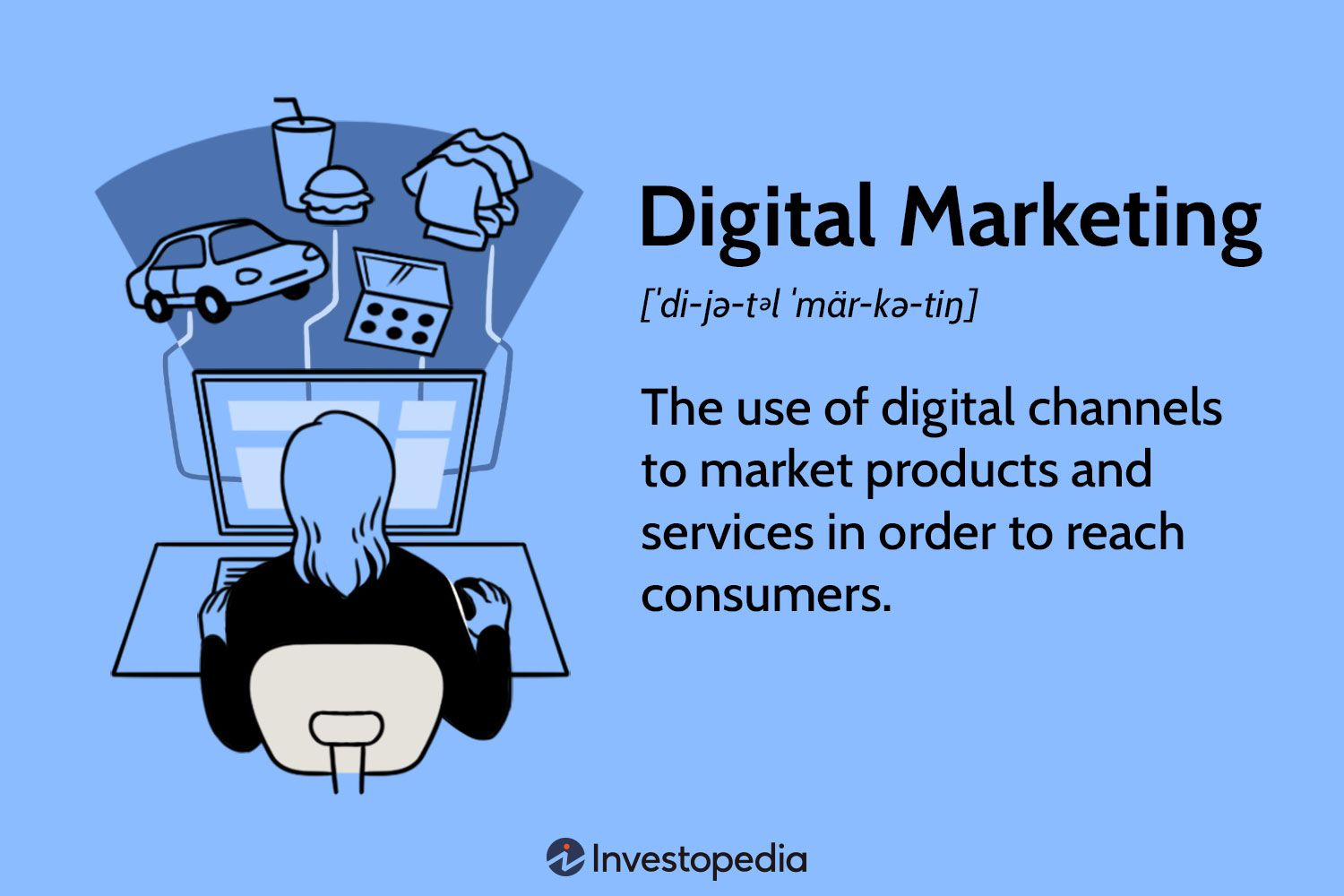
Imagine trying to market your product in today’s world without technology sounds impossible, right? Welcome to the age of marketing technology, where creativity meets data, and intuition shakes hands with automation. It’s no longer enough to just have a great idea or a catchy slogan. In this fast-paced digital era, businesses must harness powerful tools and platforms that turn marketing into a science of precision and personalisation.
Marketing technology (often called MarTech) is the secret sauce behind those perfectly timed emails, hyper-targeted ads, and spot-on social media campaigns that seem to read your mind. It’s the invisible engine that helps brands understand their audience, refine their strategies, and create connections that actually stick.
But what exactly is marketing technology? How is it changing the business landscape? And most importantly, how can you leverage it to skyrocket your brand’s success? Buckle up, because we’re diving deep into the world of MarTech, where data drives decisions and innovation fuels imagination.
What Exactly Is Marketing Technology?
Let’s break it down. Marketing technology refers to the software, tools, and platforms that help businesses plan, execute, and measure marketing campaigns efficiently. Think of it as your digital toolkit for everything from social media scheduling to customer analytics.
🧰 Common Categories of Marketing Technology
-
Customer Relationship Management (CRM) – Tools like Salesforce and HubSpot that manage customer data and interactions.
-
Email Marketing Platforms – Mailchimp, ActiveCampaign, and others that automate email campaigns.
-
Content Management Systems (CMS) – WordPress, Wix, and Drupal for managing website content.
-
Data Analytics Tools – Google Analytics and Tableau for tracking metrics and performance.
-
Social Media Management – Hootsuite and Buffer for scheduling and analysing posts.
-
Advertising Technology (AdTech) – Platforms for digital advertising, retargeting, and audience segmentation.
The magic of marketing technology lies in how these tools talk to each other. Imagine seamlessly syncing customer data across your website, email campaigns, and social platforms—all while AI predicts the best time to engage. That’s MarTech in motion.
The Evolution of Marketing Technology
Marketing used to be simple: print an ad, broadcast a message, and hope for the best. But the digital revolution turned marketing into a high-tech playground.
🕰️ From Billboards to Big Data
-
The 1990s saw the birth of email marketing and early digital ads.
-
The 2000s brought search engine optimisation (SEO) and social media.
-
The 2010s introduced marketing automation, CRM systems, and AI analytics.
-
The 2020s? We’re in the age of personalisation and predictive marketing—where AI anticipates what customers want before they even ask.
This evolution didn’t just change how brands reach customers; it transformed how customers expect to be reached. Consumers today want convenience, relevance, and instant engagement. Marketing technology delivers all three, wrapped in a neat, data-driven package.
Why Marketing Technology Matters More Than Ever
You might be wondering why all the fuss? Can’t traditional marketing still work? Sure, but without technology, you’re shooting arrows in the dark while your competitors are using laser-guided missiles.
🌟 Here’s why marketing technology is indispensable:
-
Precision Targeting: Reach the right audience at the right time with AI-driven insights.
-
Automation: Save time by automating repetitive tasks like email follow-ups and ad placements.
-
Personalisation: Craft unique customer journeys tailored to individual preferences.
-
Analytics: Measure success with real-time performance data and adjust strategies instantly.
-
Scalability: Whether you’re a startup or a Fortune 500 company, tech helps scale efforts effortlessly.
In essence, marketing technology bridges the gap between creativity and strategy. It doesn’t replace marketers empowers them to be more effective and data-savvy.
Top Marketing Technology Trends Dominating 2025
Let’s peek into the crystal ball of marketing technology. The landscape is constantly evolving, but a few trends are clearly stealing the spotlight in 2025.
1. AI and Machine Learning
AI has gone from buzzword to backbone. Machine learning algorithms now analyse consumer behaviour, predict outcomes, and even generate content. From AI-powered chatbots to smart recommendations, automation is getting eerily intelligent.
2. Voice and Visual Search Optimisation
“Hey Siri, find me the best marketing agencies near me.” That’s the new normal. Voice and visual search are reshaping SEO strategies, pushing brands to adapt fast.
3. Augmented Reality (AR) Experiences
Try-before-you-buy experiences are booming. AR lets customers visualise products in their environment—think IKEA’s furniture app or Sephora’s virtual try-on.
4. Predictive Analytics
Brands are no longer guessing what customers want—they’re predicting it. Predictive analytics uses data patterns to forecast trends and consumer needs.
5. Blockchain in Marketing
Transparency and trust are big deals. Blockchain ensures secure transactions, combats ad fraud, and verifies data authenticity.
6. Omnichannel Integration
Customers jump between platforms like frogs on lily pads. Marketing technology ensures every touchpoint—from social media to in-store is consistent and connected.
The Human Touch Behind the Technology
Here’s the thing: marketing technology may be powerful, but it’s useless without the human touch. At its heart, marketing is about connection. Technology just amplifies it.
💡 Balancing Automation with Authenticity
Automation can streamline communication, but too much of it feels robotic. The trick? Use technology to handle the heavy lifting while keeping messaging genuine. A perfectly timed email means nothing if it doesn’t resonate emotionally.
Marketers must blend creativity, empathy, and data. Machines crunch numbers; humans create stories. The most successful brands are those that merge both seamlessly.
How to Build Your Own Marketing Technology Stack
Building a marketing technology stack is like assembling the ultimate superhero team. Each tool plays a unique role. But how do you choose the right ones?
Step-by-Step Guide
-
Define Your Goals: Are you looking to increase leads, boost engagement, or improve retention?
-
Identify Pain Points: Where are you losing time or data efficiency?
-
Research Tools: Compare features, scalability, and integration capabilities.
-
Start Small: Begin with core tools (like CRM and email automation) and expand gradually.
-
Integrate Systems: Ensure all tools communicate smoothly for unified data flow.
-
Train Your Team: Technology is only as good as the people using it.
🧩 Example of a Simple MarTech Stack
-
CRM: HubSpot
-
Email Automation: Mailchimp
-
Social Management: Hootsuite
-
Analytics: Google Analytics
-
Content Creation: Canva or Adobe Express
Challenges in Marketing Technology
Of course, no great innovation comes without a few hiccups.
⚠️ Common Pitfalls
-
Data Overload: Too much information can cloud insights.
-
Integration Issues: Tools that don’t sync can create data silos.
-
Privacy Concerns: With GDPR and data laws tightening, ethical data use is crucial.
-
High Costs: Premium tools can burn through budgets fast.
The key? Balance. Invest wisely, prioritise user experience, and keep your eyes on long-term ROI instead of shiny new tools.
FAQs About Marketing Technology
Q1. What’s the difference between MarTech and AdTech?
MarTech focuses on the overall marketing ecosystem, content, analytics, and CRM, while AdTech is specific to advertising and media buying.
Q2. Is marketing technology suitable for small businesses?
Absolutely! Many platforms offer affordable or even free versions that scale as your business grows.
Q3. Can marketing technology replace human marketers?
No way. It enhances efficiency but can’t replicate creativity, intuition, or empathy.
Q4. How often should a company update its marketing technology stack?
Ideally, review your stack annually. Technology evolves fast. Staying current keeps you competitive.
Q5. Which marketing technologies are best for 2025?
AI-driven CRMs, predictive analytics tools, and integrated automation platforms are leading the pack.
The Future of Marketing Technology
We’re only scratching the surface of what marketing technology can do. The future promises deeper personalisation, stronger data security, and even smarter AI tools that adapt in real time. Imagine a world where your marketing system not only tracks customer behaviour but also anticipates emotional responses. Sounds wildbut it’s closer than you think.
As 5G, quantum computing, and extended reality mature, marketers will have unprecedented opportunities to craft immersive, intelligent, and deeply personalised experiences. The brands that thrive will be those that embrace innovation while staying grounded in authenticity.
Conclusion
Marketing technology isn’t just a tool; it’s a transformation. It’s reshaping how brands understand, engage, and delight their audiences. Whether it’s AI-driven insights, seamless automation, or data-backed storytelling, the power of MarTech lies in its ability to merge creativity with analytics.
But remember, technology is a means, not an end. The real magic happens when data meets empathy, when automation enhances creativity, and when innovation serves people.
So, if you haven’t already jumped on the marketing technology train, what are you waiting for? The future of marketing isn’t coming, it’s already here. And it’s powered by tech, driven by strategy, and fueled by imagination.
