
Introduction
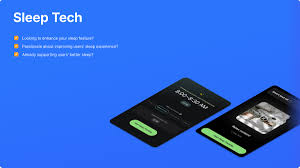
Let’s face it, sleep used to be simple. You closed your eyes, drifted off, and woke up (hopefully) refreshed. But in today’s buzzing, blue-light-soaked world, that once-effortless ritual has become a nightly battle for many. From insomnia to endless screen time, modern life has turned bedtime into a high-stakes game of tossing and turning. Enter sleep tech, a fascinating fusion of science, engineering, and wellness that’s giving rest a digital makeover.
But what exactly is “sleep tech”? And why is it suddenly everyone’s bedtime obsession? In short, it’s the use of technology think wearables, smart mattresses, AI algorithms, and even ambient lighting systems, to monitor, analyse, and improve how we sleep. Gone are the days of guessing whether you got a “good night’s sleep.” Now, your pillow, your ring, or even your alarm clock can tell you exactly how well you slept, when you woke up, and how to fix what’s wrong.
So, grab a blanket, dim the lights, and get cosy. We’re diving deep into the world of sleep tech, the innovations reshaping our nights and, quite literally, changing the way we dream.
The Rise of Sleep Tech: A Wake-Up Call for the Modern Sleeper
Not long ago, the idea of tracking your sleep seemed over the top. Who needed a gadget for something the body did naturally? But as society became more digitally connected (and ironically, more sleep-deprived), people began realising that the most underrated health habit, sleep, needed some serious technological backup.
The Sleep Crisis We Can’t Ignore
Studies reveal that nearly one in three adults doesn’t get enough sleep. With chronic sleep deprivation linked to everything from heart disease to anxiety, it’s no wonder tech innovators saw an opportunity. If we could use wearables to monitor our steps and heart rate, why not our sleep patterns too?
This growing need paved the way for sleep tech a booming industry valued at over $20 billion and growing by the day. The goal? To use data and design to make rest smarter, not harder.
Smart Sleep Gadgets: From Mattresses to Masks
If you thought the only smart thing in your house was your phone, think again. Sleep tech has infiltrated the bedroom in ways you might never have imagined.
1. Smart Mattresses: The Bed That Knows You Better Than You Do
Smart mattresses are the cornerstone of modern sleep tech. These high-tech beds can:
-
Adjust firmness based on your position.
-
Track heart rate, respiration, and movement.
-
Warm or cool your side of the bed automatically.
-
Connect to apps that analyse your sleep data.
Some models even learn your sleep habits and adapt over time, ensuring you’re cradled in optimal comfort every single night. Talk about a personalised snooze!
2. Sleep-Tracking Wearables
Fitness trackers have evolved way beyond counting steps. Devices like the Oura Ring, Fitbit, and Apple Watch use sensors to measure micro-movements, temperature changes, and even blood oxygen levels while you sleep.
These insights reveal not just how long you slept, but how well. Deep sleep, REM sleep, and wake cycles are mapped out in colourful graphs, turning your nightly rest into a fascinating data story.
3. Smart Sleep Masks and Headbands
Forget the flimsy airline eye mask—today’s smart sleep masks use gentle pressure, light therapy, and soothing sounds to ease you into dreamland. Some even use EEG technology to detect when you enter different sleep stages and play tailored audio tones to help deepen your rest.
Meanwhile, sleep headbands like Muse and Dreem monitor brain activity and use biofeedback to train your mind toward better sleep quality. It’s like having a neuroscientist whispering bedtime stories in your ear!
The Science Behind Sleep Tech: How Does It Work?
Sleep tech isn’t magic; it’s data science at work. These gadgets rely on biometric sensors and machine learning algorithms to collect and interpret physiological data.
Here’s how it works:
-
Data Collection: Sensors track motion (via accelerometers), heart rate, body temperature, and sometimes even brain waves.
-
Pattern Recognition: The data is fed into algorithms that identify sleep cycles, light, deep, and REM sleep.
-
Insights and Recommendations: Based on your nightly data, apps suggest improvements like adjusting bedtime, lowering caffeine intake, or optimising room temperature.
The result? You don’t just know how you slept, you learn why and how to improve it.
Beyond Tracking: Sleep Tech for Better Sleep Hygiene
Sure, tracking sleep is cool. But what if tech could actually help you sleep better, not just tell you how bad it was?
1. Smart Lighting Systems
Our bodies are wired to wake and sleep based on light exposure. Enter circadian lighting systems that mimic natural sunlight patterns, bright in the morning, dim and warm at night. These lights sync with your sleep schedule, helping your body produce melatonin (the sleep hormone) at the right time.
2. Soundscapes and Smart Alarms
White noise machines and sound apps aren’t new, but now they’re powered by AI. Some can detect when you’re restless and subtly adjust sounds to guide you back to deep sleep. And smart alarms? They gently wake you during your lightest sleep phase, meaning no more groggy mornings or violent buzzers jolting you awake.
3. Temperature-Controlled Bedding
Did you know the ideal sleep temperature is around 65°F (18°C)? Too hot or too cold, and your sleep quality plummets. Smart blankets and mattress pads, like those from ChiliSleep and Eight Sleep, can heat or cool to your liking and even adjust automatically as your body temperature changes through the night.
The Role of AI in Sleep Tech
Artificial Intelligence isn’t just taking over offices it’s tucking us into bed, too. AI-driven sleep tech can analyze thousands of data points from millions of users to create hyper-personalised insights.
Imagine waking up and seeing a custom report that says:
“You had reduced REM sleep last night, likely due to late-night caffeine. Try winding down earlier tonight.”
That’s AI doing its thing, learning your habits, predicting issues, and providing advice that feels like it came from a human sleep coach.
Some platforms even integrate with smart home systems, automatically dimming lights, lowering the thermostat, or turning off screens when it’s bedtime. It’s like living inside a futuristic sleep pod from a sci-fi movie minus the creepy robots.
The Benefits of Sleep Tech
So, does all this tech actually help? You bet it does. Here are some of the biggest benefits users report:
-
Improved Sleep Quality: Better tracking leads to better awareness and thus, better habits.
-
Personalised Recommendations: No more one-size-fits-all advice. Sleep tech tailors insights to your body.
-
Stress Reduction: Smart devices help manage anxiety through guided breathing, soothing sounds, and data-driven reassurance.
-
Early Health Detection: Some wearables detect irregular heartbeats or breathing issues like sleep apnea potentially saving lives.
When used mindfully, these gadgets can help transform sleep from a nightly struggle into a restorative ritual.
The Downsides: When Sleep Tech Keeps You Awake
Of course, it’s not all sweet dreams. Like any tech, sleep devices have their drawbacks.
-
Data Overload: Ever woken up feeling fine until your app said you slept “poorly”? That’s sleep anxiety, and it’s real.
-
Dependence: Some people can’t fall asleep without their devices, turning tech into a crutch.
-
Privacy Concerns: These devices collect sensitive health data, so cybersecurity and data sharing policies are crucial.
-
Cost: High-end sleep tech can cost a pretty penny. While some devices are worth it, not everyone can afford them.
So, moderation is key. Use tech as a tool, not a tyrant.
The Future of Sleep Tech: Dreaming Ahead
The future of sleep tech looks, well, dreamy. As neuroscience and AI continue to merge, the next generation of devices will likely go beyond monitoring to actual sleep modulation.
Here’s what’s on the horizon:
-
Brainwave Enhancement: Devices that gently influence brain activity to induce sleep faster.
-
Smell-Based Sleep Aids: Smart diffusers that release scents proven to enhance relaxation.
-
Nanotech Bedding: Fabrics that adapt to your body’s microclimate in real time.
-
Mental Wellness Integration: Sleep data merged with mood tracking to give a full picture of mind-body health.
The ultimate goal? To make sleep so personalised and effortless that it becomes your superpower, not your struggle.
FAQs About Sleep Tech
Q1: Do I really need sleep tech to sleep better?
Not necessarily. Good sleep hygiene, like avoiding caffeine late in the day and sticking to a routine, works wonders. But sleep tech can give you insights and accountability that make improvements easier.
Q2: Is sleep tech safe?
Yes, most devices are non-invasive and use passive sensors. Just be cautious about data privacy and buy from reputable brands.
Q3: Can sleep tech cure insomnia?
It can help identify habits that cause insomnia, but it’s not a cure-all. Combining tech insights with relaxation techniques and medical advice is your best bet.
Q4: Are smart mattresses worth it?
If you struggle with discomfort or temperature regulation, absolutely. They can make a big difference in sleep quality.
Conclusion: Sleep Smarter, Dream Deeper
Sleep is no longer just a biological necessity it’s a measurable, improvable skill. Thanks to sleep tech, we’re entering an era where our dreams are data-driven, our beds are intelligent, and our mornings feel genuinely refreshing.
Yet, as with all technology, balance matters. Gadgets can guide you, but true rest comes from slowing down, unplugging, and letting your mind drift freely.
In the end, the goal of sleep tech isn’t to make us depend on machines; it’s to remind us of something ancient and simple: that rest is sacred, and understanding it is the first step toward reclaiming it.
So tonight, as you slip into bed, remember you’re not just going to sleep. You’re stepping into the future of rest itself. Sweet dreams!
