
Introduction
Remember the bulky TV sets that felt more like furniture than electronics? Yeah, those dinosaurs are long gone. Fast-forward to today, and TV display technology has morphed into something out of a sci-fi flick. Whether you’re binge-watching your favourite show or gaming into the wee hours, the screen you’re staring at plays a huge role in your experience.
But hold up, how do you make sense of it all? OLED, QLED, Mini-LED, MicroLED… It’s like alphabet soup! And that’s not even scratching the surface. If you’re shopping for a new TV or just nerding out (we see you), it’s high time to get the lowdown on what makes modern displays tick.
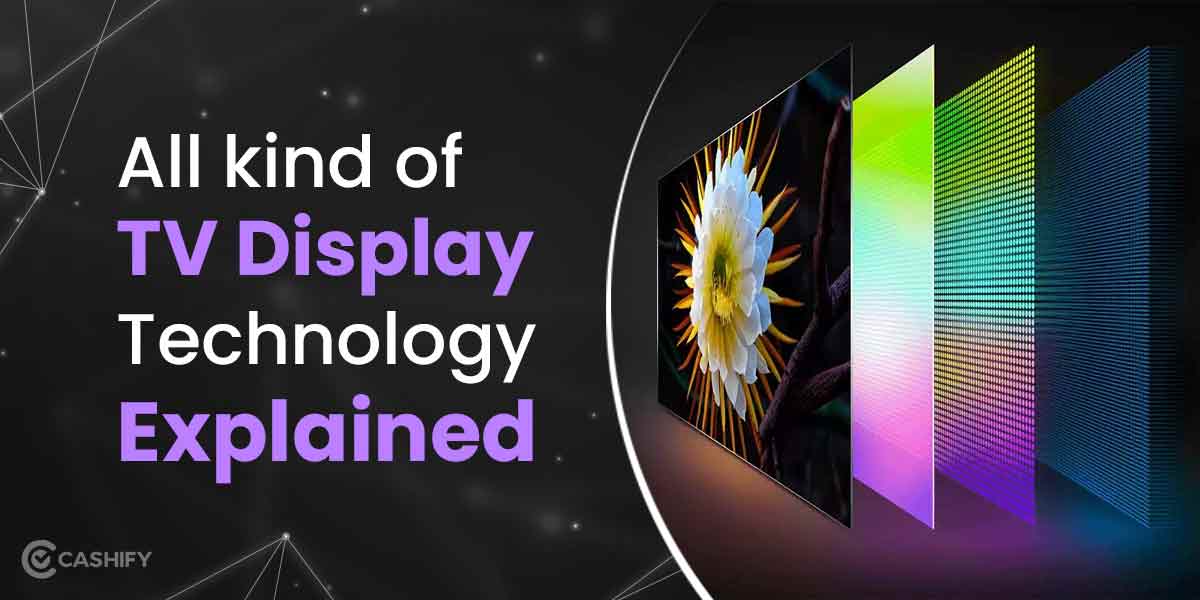
Let’s peel back the layers and zoom in on the tech that’s turning living rooms into mini theatres.
What Exactly Is TV Display Technology?
Before we get all fancy, let’s keep it simple. At its core, TV display technology refers to the methods and components used to show images and videos on your television screen. Think of it as the canvas and paintbrush rolled into one. It determines how colours pop, how dark the blacks get, how smooth motion appears, and basically how immersive your viewing experience feels.
Here’s the kicker: the better the tech, the better the picture. But not all technologies are created equal.
The Major Players in TV Display Tech
Let’s break down the main contenders lighting up your screens in 2025:
1. OLED (Organic Light Emitting Diode)
OLED is the darling of display tech. Why? Because each pixel lights up individually. No need for a backlight here, each dot on the screen shines (or turns off) on its own.
Pros:
-
True blacks (like, black-hole black)
-
Insanely good contrast
-
Ultra-thin and flexible designs
Cons:
-
Pricey
-
Risk of image burn-in over time
-
Brightness can be a tad lower than LED rivals
Perfect for: Movie buffs and design lovers who crave that cinema-like contrast.
2. QLED (Quantum Dot LED)
Don’t let the name fool you—it’s still an LED at heart, but with a sprinkle of quantum magic. QLED uses a layer of quantum dots to enhance brightness and colour.
Pros:
-
Super bright (great for sunny rooms)
-
Rich, vibrant colours
-
Less burn-in risk
Cons:
-
Not true black (since it needs a backlight)
-
Slight blooming in high-contrast scenes
Perfect for: Sports fans, gamers, and anyone watching in bright environments.
3. Mini-LED
Mini-LED is like LED, but on steroids. It uses thousands of tiny LEDs for backlighting, allowing for better control over dimming zones.
Pros:
-
Better contrast than regular LED
-
More affordable than OLED
-
High brightness levels
Cons:
-
Still not as perfect in blacks as OLED
-
Some haloing around bright objects
Perfect for: People who want the best of both worlds—performance and price.
4. MicroLED
Ah, MicroLED—the holy grail. It combines the pixel-level lighting of OLED with the brightness and lifespan of LED. Sounds perfect? It kind of is… if you can afford it.
Pros:
-
True blacks and dazzling whites
-
No burn-in
-
Long lifespan
Cons:
-
Currently ultra-expensive
-
Not widely available
Perfect for: Tech enthusiasts with deep pockets.
How Do These Technologies Stack Up?
Here’s a quick comparison table to make things clearer:
| Feature | OLED | QLED | Mini-LED | MicroLED |
|---|---|---|---|---|
| Black Levels | Excellent | Moderate | Good | Excellent |
| Brightness | Good | Excellent | Excellent | Excellent |
| Burn-In Risk | Possible | Low | Low | None |
| Price | High | Mid-Range | Mid-Range | Sky-high |
| Lifespan | Moderate | Long | Long | Very Long |
Trending Now: Hybrid and Emerging Display Tech
Display tech doesn’t sit still. In fact, 2025 has already brought a few surprises. Let’s peek at what’s just over the horizon:
QD-OLED (Quantum Dot OLED)
Yep, they mashed up QLED and OLED. And it works. QD-OLED boosts the brightness and colour volume of traditional OLED without sacrificing that sweet, sweet contrast.
TCL’s Inkjet-Printed OLED
Sounds artsy, right? It’s actually a cost-cutting way to produce OLED panels. If successful, it could make OLEDs cheaper and more mainstream.
Flexible and Rollable Displays
No longer confined to the wall, TVs now roll up like yoga mats or bend like books. Not quite mainstream yet, but undeniably cool.
So, Which TV Display Technology Should You Choose?
It really boils down to how you use your TV. Here are some guiding questions to help:
-
Do you watch a lot of movies in the dark? → Go for OLED or MicroLED.
-
Is your room super bright during the day? → QLED or Mini-LED will shine (literally).
-
Worried about screen burn-in from static images? → Skip OLED, try Mini-LED or QLED.
-
Want the best, money-no-object setup? → MicroLED all the way (if you can find it!).
Top Tips Before You Buy a New TV
Shopping for a TV isn’t just about display tech. Here’s a checklist to keep your head straight:
-
Check screen size and viewing distance. Bigger isn’t always better—unless your room can handle it.
-
Go for 4K or higher. 1080p? That’s so last decade.
-
HDR support is a must. Look for HDR10+ or Dolby Vision for vivid colours.
-
Refresh rate matters. Gamers, look for 120Hz or higher.
-
Smart features. Make sure it supports your favourite streaming apps.
FAQs About TV Display Technology
Q1: Is OLED better than QLED?
That depends! OLED wins on contrast and black levels, but QLED gets brighter and lasts longer.
Q2: Can a TV get burn-in from paused games or static logos?
Yes—mainly with OLEDs. But newer models have tech that reduces the risk.
Q3: What’s the most future-proof TV tech right now?
MicroLED is the dream, but Mini-LED and QD-OLED offer great bang for your buck today.
Q4: Are curved TVs still a thing?
Not really. The hype faded. They look cool but offer little advantage unless you’re sitting dead centre.
Q5: What’s the lifespan of a modern TV?
Most last 7–10 years easily, with OLEDs potentially a bit less, depending on usage.
Conclusion: The Pixel-Perfect Wrap-Up
TV display technology is evolving faster than you can say “binge-watch.” What was cutting-edge five years ago now seems ancient. From the perfect blacks of OLED to the powerhouse brightness of QLED and the futuristic promise of MicroLED, there’s a tech for every taste and budget.
Just remember, the best TV isn’t the priciest—it’s the one that suits your lifestyle. Whether you’re gaming, streaming, or simply watching the news, knowing your display tech puts you one step ahead of the curve.
So next time you’re standing in front of a wall of TVs at your local electronics store, you won’t be overwhelmed. You’ll nod, smirk, and think, “Pfft, I got this.”
