
Introduction
Biotechnology—an exciting field blending biology, chemistry, and technology—has reshaped the way we heal, farm, and even eat. From genetically modified crops to advanced gene therapies, biotech innovations are rewriting the rules of life itself. But with great power comes, well, great responsibility! Every test tube, Petri dish, and DNA strand tinkered with in a lab brings not only promise but also potential peril.
That’s where safety in biotechnology steps in. It’s the invisible guardian ensuring that innovation doesn’t run wild, that scientists don’t accidentally create hazards, and that nature stays balanced despite human curiosity. Let’s dive deep into why safety matters in biotechnology, how it’s maintained, and what the future holds for this ever-evolving discipline.
Understanding Biotechnology and Its Scope
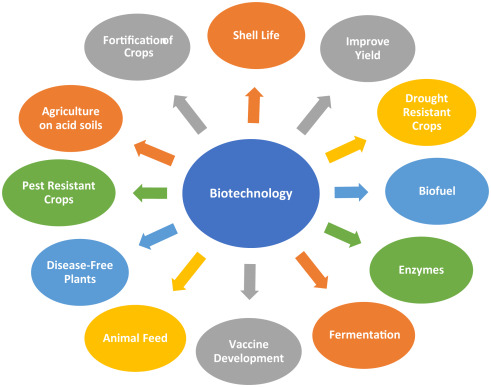
Before we talk about safety, it helps to understand what biotechnology really covers. It’s not just about cloning sheep or modifying corn. Biotechnology includes:
-
Medical biotechnology: Developing vaccines, diagnostics, and gene therapies.
-
Agricultural biotechnology: Engineering crops to resist pests or tolerate drought.
-
Industrial biotechnology: Producing biofuels, biodegradable plastics, and enzymes.
-
Environmental biotechnology: Cleaning up pollution using microbes.
Each of these sectors brings its own set of potential hazards—from lab accidents to ecological imbalances—which makes safety protocols essential.
Why Safety in Biotechnology Matters
Let’s face it: biotechnology deals directly with living systems, genetic material, and often hazardous chemicals. Without strict safety measures, the consequences could be disastrous. Here’s why safety isn’t optional—it’s non-negotiable:
-
Human Health Protection
Scientists, lab technicians, and even the public must be safeguarded from infectious agents, toxins, or genetically modified organisms (GMOs) that could escape containment. -
Environmental Preservation
Imagine a genetically modified microbe leaking into the wild and outcompeting natural species. The ecological ripple effects could be massive. Safety protocols prevent such catastrophes. -
Ethical and Legal Accountability
With great innovation comes moral responsibility. Safe biotech practices align with ethical standards and international biosafety laws, ensuring that research doesn’t cross dangerous lines. -
Public Trust
People tend to fear what they don’t understand. Maintaining transparent and safe biotech practices builds trust between scientists and society—a must for long-term progress.
Key Areas of Biotechnology Safety
Biotechnology safety isn’t a single concept—it’s a framework built on multiple layers. Let’s unpack these one by one.
1. Laboratory Biosafety
Labs are the frontlines of biotechnology. Inside these controlled spaces, scientists handle potentially hazardous materials. Hence, biosafety levels (BSLs) are used to classify labs based on the type of work and level of risk:
-
BSL-1: Basic teaching labs; minimal risk.
-
BSL-2: Moderate risk agents (like E. coli strains).
-
BSL-3: Work with serious pathogens (like tuberculosis bacteria).
-
BSL-4: The highest level, dealing with life-threatening viruses like Ebola.
Each level requires specific containment measures—such as air filtration systems, sealed cabinets, and protective gear—to keep workers and the environment safe.
2. Genetic Safety
When manipulating genes, mistakes can have long-lasting consequences. Genetic safety ensures that recombinant DNA experiments don’t create harmful organisms or spread uncontrollably.
Key measures include:
-
Using disabled host organisms that can’t survive outside the lab.
-
Following strict approval processes before releasing genetically modified organisms (GMOs).
-
Implementing gene containment strategies, like “suicide genes,” that make modified organisms die if they escape.
3. Environmental Biosafety
Biotechnology’s impact doesn’t stop at the lab door. Releasing GMOs into the environment—say, a pest-resistant crop—demands environmental risk assessment.
Scientists evaluate:
-
The potential for cross-breeding with wild species.
-
Effects on soil microbes, insects, and ecosystems.
-
Long-term ecological stability.
Regulations often require years of testing before any commercial release to ensure that modified organisms don’t harm biodiversity.
4. Food Safety in Biotechnology
Genetically modified foods are everywhere—from soybeans to tomatoes. But how do we ensure they’re safe to eat?
Food safety assessments examine:
-
Allergenicity – Could new proteins trigger allergies?
-
Toxicity – Do genetic changes produce harmful compounds?
-
Nutritional equivalence – Is the modified food as healthy as the original?
The World Health Organisation (WHO) and Food and Agriculture Organisation (FAO) set guidelines that must be followed before any biotech food reaches your plate.
5. Ethical and Biosecurity Concerns
There’s a fine line between what can be done and what should be done. For instance, gene editing tools like CRISPR have made it possible to alter human embryos. This sparks debates about “designer babies,” cloning, and bioweapon risks.
Hence, biosecurity ensures that biological research isn’t misused for harmful purposes—such as creating pathogens for warfare. Strict screening of research proposals, restricted access to sensitive materials, and global cooperation all play a role in preventing misuse.
Global Biosafety Regulations and Frameworks
Safety in biotechnology isn’t a one-country effort; it’s a global responsibility. Several international organisations and agreements govern biotech practices:
-
The Cartagena Protocol on Biosafety (2000):
Focuses on the safe transfer, handling, and use of GMOs across borders. -
WHO Laboratory Biosafety Manual:
Sets standards for biosafety and biosecurity in laboratories worldwide. -
OECD Guidelines for Biotechnology:
Promote safe innovation while maintaining ethical research standards. -
National Biosafety Committees:
Most countries have national authorities that oversee GMO approvals, risk assessments, and laboratory certifications.
Together, these frameworks ensure that scientists innovate responsibly—without jeopardising life or the planet.
Safety Equipment and Protective Measures
Every biotechnology lab relies on a range of protective measures to keep accidents at bay. Some essentials include:
-
Personal Protective Equipment (PPE): Lab coats, gloves, masks, and eye shields.
-
Biological Safety Cabinets (BSCs): Enclosed spaces that prevent pathogens from escaping.
-
Autoclaves: Machines that sterilise lab waste at high temperatures.
-
Air Filtration and Negative Pressure Rooms: Ensure contaminated air doesn’t leak out.
-
Emergency Showers and Eyewash Stations: Critical in case of chemical exposure.
And of course, training is everything. Even the best equipment is useless if scientists don’t know how to use it properly!
Training and Culture of Safety
Safety isn’t just a set of rules—it’s a mindset. Every researcher must be trained not only in technical skills but also in risk awareness. Institutions foster a “culture of safety” through:
-
Regular biosafety workshops and certifications.
-
Incident reporting systems are used to learn from mistakes.
-
Mentorship programs where senior scientists model safe practices.
-
Internal audits and safety drills to keep everyone alert.
The goal? To make safety second nature—just like wearing a seatbelt.
Risk Assessment and Management in Biotechnology
Risk management lies at the heart of biosafety. Before any biotech experiment begins, scientists perform a detailed risk assessment that identifies possible hazards and mitigation strategies.
Key Steps in Risk Assessment:
-
Identify hazards (e.g., infectious agents, GMOs, toxic byproducts).
-
Evaluate exposure risk (how likely is an accident?).
-
Implement control measures (containment, PPE, or procedural limits).
-
Review and update as technologies evolve.
This proactive approach helps prevent accidents instead of just reacting to them.
Real-World Examples of Safety in Action
-
COVID-19 Vaccine Development:
The rapid creation of mRNA vaccines was possible only because strict biosafety and clinical trial standards were maintained. -
Bt Cotton in Agriculture:
Rigorous field testing ensured that genetically modified cotton resisted pests without harming beneficial insects or soil health. -
Synthetic Biology Controls:
When creating artificial DNA or microbes, researchers now build “kill switches” that destroy the organism outside controlled conditions—proof that innovation and safety can coexist.
Challenges in Maintaining Biotechnology Safety
Despite robust systems, the biotech world isn’t free from challenges:
-
Rapid Technological Advancements: New tools like CRISPR evolve faster than regulations can keep up.
-
Global Disparities: Some countries lack proper biosafety infrastructure.
-
Data Security Risks: Biotech data, especially genetic information, is vulnerable to cyberattacks.
-
Public Misunderstanding: Fear and misinformation can fuel resistance, even toward safe technologies.
Balancing innovation with caution remains a delicate dance.
The Future of Biotechnology Safety
Looking ahead, the future of biotech safety lies in smart regulation and AI-powered oversight. Artificial intelligence can monitor lab processes in real-time, predict potential hazards, and even automate compliance checks.
Additionally, international cooperation will be key—because microbes don’t respect borders! Governments, industries, and academic institutions must continue sharing knowledge and best practices to build a truly safe global biotech ecosystem.
Emerging fields like synthetic biology, gene drives, and nanobiotechnology will demand new safety paradigms, ensuring that the next generation of scientists keeps ethics and responsibility at the forefront.
Conclusion
Biotechnology is rewriting the story of life—offering solutions to hunger, disease, and climate change. Yet, as history teaches us, unchecked innovation can lead to unintended chaos. That’s why safety in biotechnology isn’t just a technical requirement—it’s a moral compass.
By fostering a culture of responsibility, implementing strict biosafety measures, and staying transparent with the public, we can ensure that biotechnology remains a force for good. After all, the ultimate goal of science is not just to discover but to protect.
