
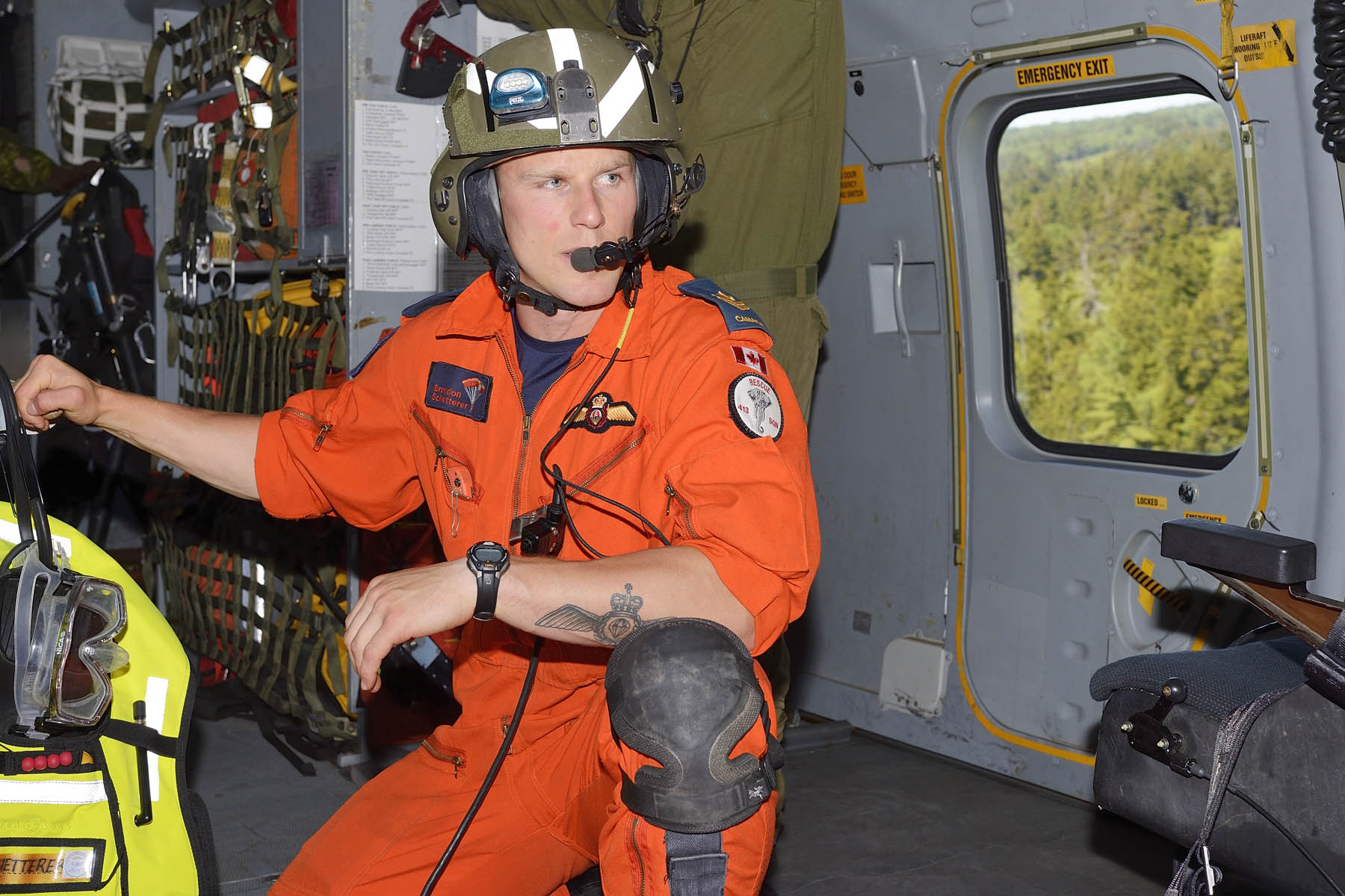
Introduction
In the modern world, disasters—both natural and man-made—can strike at any time. From earthquakes to plane crashes, floods to lost hikers, human life often hangs in the balance. At the forefront of every life-saving operation stands a highly skilled and courageous professional: the SAR Technician, short for Search and Rescue Technician. These men and women are trained to operate in the most extreme conditions, combining technical expertise, physical endurance, and compassion to save lives when every second counts.
The work of a SAR Technician goes far beyond adventure or heroism. It represents dedication to humanity, a willingness to face danger, and the ability to stay calm when chaos reigns. Whether parachuting into remote mountains or diving into icy waters, SAR Technicians embody the true spirit of service.
Who is a SAR Technician?
A Search and Rescue Technician (SAR Tech) is a specially trained individual who locates, assists, and rescues people in distress. They may work on land, at sea, or in the air, depending on the situation. Their mission is simple yet critical: to save lives in emergencies and deliver victims to safety as quickly as possible.
In many countries, SAR Technicians are part of military or government agencies. For example, in Canada, SAR Techs are members of the Royal Canadian Air Force (RCAF), while in the United States, similar roles exist in the Air Force Pararescue (PJ) and Coast Guard Rescue Swimmers programs.
Core Duties and Responsibilities
SAR Technicians are trained to perform a wide range of life-saving operations. Their responsibilities include:
-
Search Operations:
Using advanced navigation systems, thermal imaging, and aerial surveillance to locate missing individuals in forests, mountains, or oceans. -
Rescue Operations:
Conducting complex rescues using ropes, helicopters, or boats to extract people from difficult terrain or disaster zones. -
Medical Assistance:
Providing first aid, trauma care, and emergency medical treatment on the spot, often in harsh conditions. -
Evacuation and Transport:
Safely evacuating victims and coordinating their transport to hospitals or emergency shelters. -
Equipment Maintenance:
Ensuring all rescue gear—such as parachutes, diving suits, oxygen tanks, and communication tools—are in top condition. -
Training and Drills:
Participating in continuous training to maintain physical fitness and update technical skills. -
Coordination and Communication:
Working closely with other emergency services like police, firefighters, paramedics, and military teams during joint operations.
Skills and Qualities of a Successful SAR Technician
To be an effective SAR Technician, one must possess a blend of mental toughness, physical endurance, and compassion. Key skills include:
-
Physical Fitness: Ability to handle physically demanding tasks such as climbing, swimming, and parachuting.
-
Technical Knowledge: Expertise in navigation, communications, first aid, and survival techniques.
-
Decision-Making: Ability to make quick, accurate judgments under stress.
-
Teamwork: Strong collaboration skills, as most rescues involve coordinated group efforts.
-
Courage and Compassion: Willingness to risk one’s life to save others, while showing empathy to victims.
-
Adaptability: Flexibility to handle changing environments—from blizzards to desert heat.
Training and Education Requirements
Becoming a SAR Technician requires rigorous training and dedication. While the specific path varies by country, most SAR Techs undergo the following process:
-
Basic Education:
A high school diploma is usually the minimum requirement. Courses in science, physical education, and first aid are helpful. -
Military or Paramedic Background:
Many SAR Technicians begin as soldiers, firefighters, or emergency medical technicians (EMTs). -
Specialised SAR Training:
Candidates attend intensive SAR schools where they learn:-
Parachuting and free-fall rescue
-
Diving and underwater recovery
-
Mountain climbing and rope rescue
-
Navigation and GPS operations
-
Advanced first aid and trauma management
-
Helicopter hoist operations
-
Survival skills in harsh environments
-
-
Certification:
Successful candidates earn certification as Search and Rescue Technicians, allowing them to serve in national or international missions.
Types of Search and Rescue Operations
SAR Technicians can be deployed in various environments depending on their specialisation:
-
Air Search and Rescue:
Conducted using helicopters or fixed-wing aircraft to locate and assist downed pilots or missing aircraft. -
Marine Search and Rescue:
Focuses on rescuing people stranded at sea, shipwreck victims, or those involved in boating accidents. -
Ground Search and Rescue:
Involves finding missing persons in forests, deserts, or mountains, often in collaboration with local law enforcement. -
Disaster Response:
Provides immediate aid during natural disasters such as earthquakes, floods, or hurricanes. -
Urban Search and Rescue (USAR):
Involves locating victims trapped under collapsed buildings in urban settings.
Challenges Faced by SAR Technicians
Being a SAR Technician is not for the faint-hearted. The job comes with many challenges:
-
Extreme Conditions: Operating in freezing temperatures, high altitudes, or stormy seas.
-
Emotional Strain: Witnessing trauma and loss can take a psychological toll.
-
Physical Risk: Constant exposure to dangerous environments can lead to injuries or exhaustion.
-
Long Hours: Missions can last for days without proper rest or food.
-
Team Pressure: Each rescue demands perfect coordination—mistakes can cost lives.
Despite these hardships, SAR Technicians remain motivated by a profound sense of duty and the satisfaction of saving lives.
Career Opportunities and Growth
SAR Technicians can find opportunities in various sectors:
-
Military and Defence Forces
-
Coast Guard and Marine Services
-
Fire and Disaster Management Departments
-
Private Emergency Response Organisations
-
International Relief Agencies (e.g., Red Cross, UN Rescue Teams)
With experience, a SAR Tech can progress to roles such as:
-
Team Leader or Training Instructor
-
Rescue Operations Coordinator
-
Emergency Management Specialist
-
Safety and Survival Consultant
Salary and Benefits
Salaries for SAR Technicians vary by country and organisation, but they generally reflect the high level of skill and risk involved.
-
Entry-Level SAR Tech: Around $40,000 – $60,000 per year
-
Experienced SAR Tech: Between $70,000 – $100,000+ annually
-
Special Operations or Military SAR: May earn additional allowances for danger pay, travel, and overtime.
In addition to salary, SAR Technicians often receive benefits such as medical insurance, housing, pension plans, and specialised training opportunities.
The Future of Search and Rescue Technology
Modern technology is revolutionising the work of SAR Technicians. The use of drones, AI-powered mapping, thermal imaging, and GPS tracking has made operations faster and safer. Wearable devices can now monitor the health of both rescuers and victims in real-time. However, no matter how advanced technology becomes, the human courage and decision-making of SAR Technicians will always be irreplaceable.
conclusion
SAR Technicians are true heroes who work behind the scenes to protect humanity. They face the impossible, push beyond their limits, and dedicate their lives to others. Whether it’s rescuing a stranded climber or responding to a natural disaster, these professionals represent bravery, skill, and selflessness.
In a world that constantly faces uncertainty, Search and Rescue Technicians remind us of what it means to serve with heart, courage, and humanity.
FAQs About SAR Technicians
Q1: What does SAR stand for?
A: SAR stands for Search and Rescue — a coordinated effort to locate and help people in distress.
Q2: How can I become a SAR Technician?
A: You’ll need physical fitness, basic education, and specialised SAR training—often through military or emergency response institutions.
Q3: What’s the difference between SAR and firefighting?
A: SAR focuses on locating and rescuing victims in all environments, while firefighting focuses on controlling and extinguishing fires.
Q4: Do SAR Technicians work full-time?
A: Yes. Most are full-time professionals, though some volunteer organisations also offer part-time roles.
Q5: Is being a SAR Technician dangerous?
A: Yes, it involves high-risk operations, but extensive training and teamwork reduce the risks.
