
Introduction
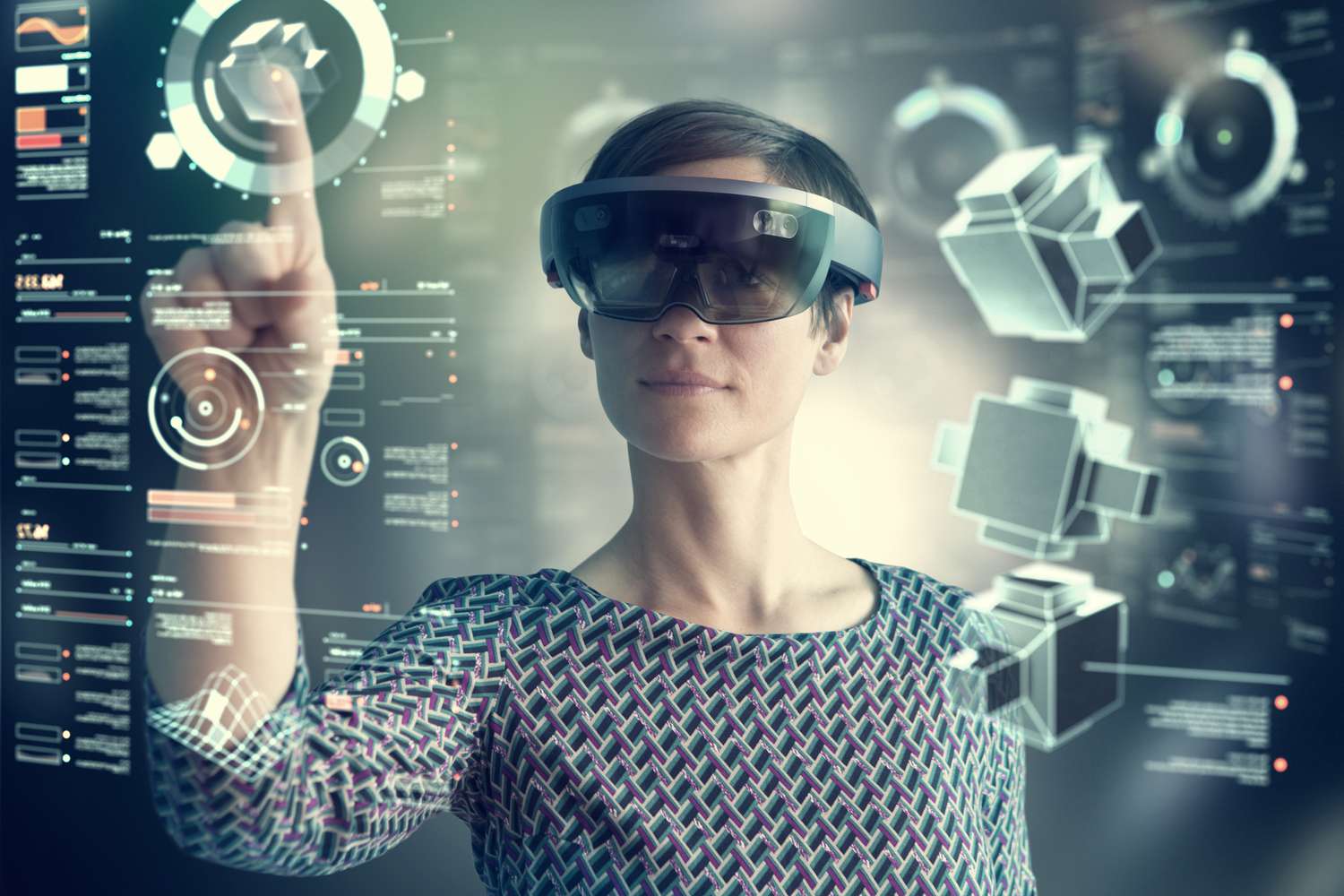
It’s wild to think that not too long ago, the idea of overlaying digital images atop the real world felt like science fiction. Now? We toss around phrases like “mixed reality” and “spatial computing” while casually trying on the latest AR headset as if it’s just another pair of sunglasses. Technology marches fast—and sometimes it sprints. But what does all this fancy augmented reality stuff really mean for everyday life? And why is everyone from game developers to surgeons buzzing about it?
In this article, we’re diving deep into the world of AR, the devices that bring it to life, and how they’re fundamentally reshaping the way we see and interact with the world. Grab a seat (and maybe your own headset if you’ve got one lying around), because things are about to get interesting!
The Rise of the AR Headset: A Revolution in Plain Sight
What was once experimental hardware reserved for sci-fi conventions and research labs has become a mainstream tool with real-world applications. The AR headset has moved beyond novelty status—way beyond. Today’s models sport lighter builds, sharper displays, spatial audio, and powerful tracking that can follow the slightest flick of your wrist.
From Clunky Goggles to Sleek Smartwear
Let’s be honest: early AR gear looked… well, ridiculous. Oversized, heavy, sometimes buzzing with fans to keep from overheating. But as tech companies poured billions into miniaturising sensors and enhancing optics, headsets became sleeker, more stylish, and far more comfortable. Nowadays, some headsets resemble designer sunglasses rather than blocky lab equipment.
What Exactly Does an AR Headset Do?
In the simplest terms, an AR headset overlays digital information—like text, 3D objects, or interactive elements—onto your view of the real world.
But “simple” quickly becomes astonishing:
-
You can see holographic diagrams hovering over real objects.
-
A virtual map can float in front of you as you walk.
-
Digital coworkers can appear as avatars sitting around your kitchen table.
-
Your living room becomes an immersive gaming arena without moving a single piece of furniture.
Pretty cool, right?
How AR Headsets Are Changing the Way We Work
It’s not just gaming and entertainment that love AR. Workforce productivity is having a big moment thanks to this tech. Entire industries have quietly woven AR into their operations.
Healthcare: From Training to Treatment
Surgeons are using AR overlays during operations, allowing them to see real-time imaging and patient vitals right inside their field of view. No more glancing away at monitors. Trainees can perform virtual dissections without putting a single patient at risk. Even physical therapists use AR to help patients visualise movement patterns.
Fieldwork & Engineering
Picture this: you’re repairing a complex machine, and instead of flipping through thick manuals, your headset shows a step-by-step holographic guide stuck precisely to the components you’re working on. Talk about next-level instruction.
Remote Collaboration
Sure, video calls get the job done. But AR takes it to another universe:
-
A remote expert can annotate your environment as if they’re standing beside you.
-
Designers can sculpt and manipulate 3D mockups together in shared augmented spaces.
-
Brainstorming sessions feel more like standing in a room full of floating sticky notes than staring at little rectangles on a screen.
The office, in many ways, just slipped into your pocket (or onto your face).
Playtime Reimagined: AR Headsets and Next-Gen Entertainment
Gaming with an AR twist is an entirely different experience—not just staring at a screen but living inside one. Though VR tends to steal the spotlight, AR games offer a unique charm by blending fantasy with reality.
Immersive Mixed-World Adventures
Imagine monsters hiding behind your couch. Or your pet is actually reacting to virtual characters wandering around your house. That’s AR gaming in a nutshell. It’s surprisingly social, too, since every player sees the game inside the same shared physical room.
Concerts, Events, and Live Experiences
More artists and venues are experimenting with AR to enhance performances:
-
Live lyrics floating above the stage
-
Visual effects swirling around the audience
-
Real-time translations and captions
-
Interactive concert souvenirs that appear only through your headset
It’s like regular entertainment, but supercharged.
What Makes a Great AR Headset?
If you’re considering joining the AR party, you’ll want to know what separates mediocre headsets from stellar ones. While everyone’s needs vary, certain features are universal must-haves.
1. Comfortable Fit
No matter how fancy the tech is, if your nose hurts after five minutes, the experience falls apart. Look for:
-
Lightweight materials
-
Adjustable straps
-
Balanced weight distribution
2. High-Quality Optics
Clear visuals are essential. Grainy or low-res projections break immersion faster than you can say “digital overlay.”
3. Accurate Tracking
Your AR world should respond instantly and naturally to your movements. Lag isn’t just annoying—it’s immersion-destroying.
4. Hand and Eye Tracking
The less you rely on clunky controllers, the more magic you feel. Modern headsets often track your gaze, gestures, and even facial expression.
5. Battery Life
All that futuristic processing takes power. Longer battery life means longer adventures without being tethered to a charger.
Unexpected Uses of AR: More Than Just Cool Tech
Beyond the workplace and gaming, AR is sneaking into everyday routines in ways people hardly notice.
AR in Education
History classes can show 3D reenactments of ancient battles. Chemistry lessons suddenly become digital lab simulations. Students can engage with content rather than simply read it.
Indoor Navigation
Ever gotten lost in a giant airport? AR can project arrows on the ground, guiding you turn by turn straight to your gate. No more awkwardly wandering.
Shopping & Interior Design
Test products in your home digitally before buying — everything from couches to paint colours to artwork. You no longer have to guess whether that teal wallpaper will clash with your floors (spoiler: it probably will).
The Future of AR Headsets: Where Are We Headed?
It feels like we’re standing on the precipice of something huge. AR isn’t just a trend; it’s shaping up to become a platform as foundational as smartphones.
Everyday AR Wearables
Someday soon, slipping on an AR-enabled pair of glasses might be as normal as wearing a smartwatch. These devices could:
-
Translate conversations in real time
-
Show notifications only you can see
-
Highlight walking paths in busy cities
-
Replace laptops for casual tasks
More Natural Interfaces
Future headsets will rely more on eye movements, voice commands, and subtle gestures. Imagine editing a document by simply looking at words and flicking your fingers. Yep—straight out of a sci-fi movie.
Holographic Social Interaction
Instead of texting a friend, you might summon a holographic version of them right into your living room. Whether that’s exciting or mildly terrifying depends on how introverted you are.
FAQs About AR Headsets
1. Is an AR headset the same as a VR headset?
Not quite. VR immerses you in a completely virtual world, blocking out real surroundings. AR overlays digital content on top of the real world so you can still see what’s around you.
2. Are AR headsets safe for kids?
Generally, moderate use is fine, but every manufacturer has age recommendations. Prolonged use by very young children may strain the eyes.
3. Do I need a powerful computer to use an AR headset?
Some headsets operate independently, while others require a PC or phone. It depends on the model.
4. Can an AR headset replace my laptop?
Not entirely—at least not yet. However, many headsets can handle tasks like browsing, messaging, or basic productivity.
5. Are AR headsets worth it right now?
If you’re excited about spatial computing, gaming, or creative tools, absolutely. For casual users, the tech is getting better (and cheaper) every year.
Conclusion
The world of augmented reality is evolving at breakneck speed, and the AR headset sits squarely at the centre of this transformation. Whether helping surgeons perform delicate operations, letting architects visualise blueprints in mid-air, or turning your living room into a magical playground, AR reshapes how we learn, work, play—and even how we see our own surroundings.
As the technology continues to mature, headsets will become smarter, smaller, and more deeply integrated into our everyday lives. The line between digital and physical will blur, leaving us with a rich hybrid world that, honestly, sounds pretty amazing.
So if you’re curious, adventurous, or just plain fascinated by the future, now’s as good a time as any to step through the digital looking glass. Reality is expanding—and you’re invited.
