
Introduction
Ever wondered what happens when the mind-bending world of quantum computing collides with the ever-growing Internet of Things (IoT)? Brace yourself, because Quantum IoT is not just a buzzword—it’s poised to redefine the very fabric of digital connectivity. Picture a world where your devices don’t just communicate faster—they think smarter, anticipate your needs, and secure your data in ways that classical computing could never dream of.
In this article, we’re diving deep into the realm of Quantum IoT: what it is, why it matters, how it’s shaping industries, and what the future might hold. Buckle up, because things are about to get quantumly interesting!
What is Quantum IoT?
At its core, Quantum IoT is the fusion of two technological marvels: quantum computing and the Internet of Things.
-
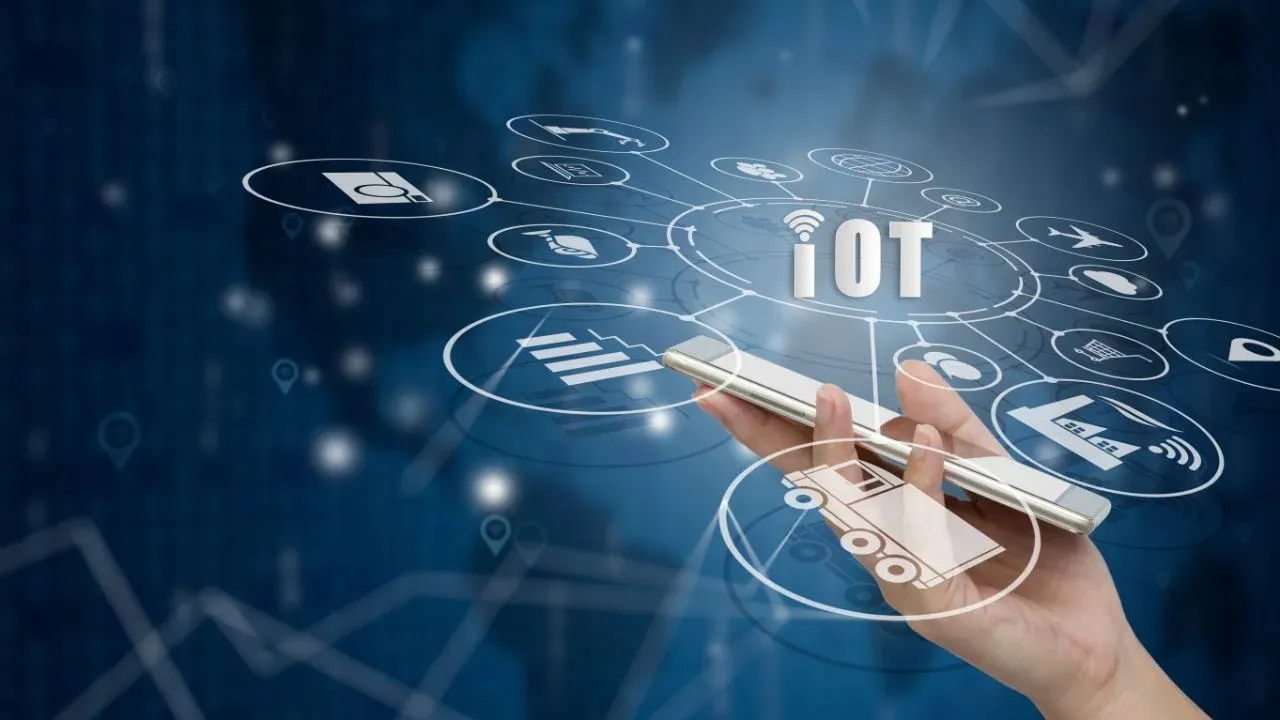
Internet of Things (IoT): Networks of smart devices—think smartphones, sensors, smart refrigerators—that communicate and exchange data.
-
Quantum Computing: Computation based on quantum bits (qubits) that leverage superposition and entanglement, allowing computers to solve certain problems exponentially faster than classical systems.
Now, mix the two, and you get devices that can process massive amounts of data almost instantly, make ultra-secure connections, and unlock insights that were previously impossible.
In simpler terms? Imagine your smart home not only adjusting the thermostat based on your habits but predicting your mood and health patterns—way ahead of time.
Why Quantum IoT is a Game-Changer
You might be thinking, “Sure, it sounds cool, but why should I care?” Well, let me break it down.
1. Unparalleled Speed and Efficiency
Classical IoT devices rely on traditional processors, which can bottleneck performance as networks grow. Quantum computing, however, can handle vast data streams at lightning speed thanks to:
-
Superposition: Qubits can exist in multiple states at once, allowing parallel computations.
-
Quantum Entanglement: Instant correlation between distant qubits, potentially enabling real-time synchronisation across devices worldwide.
This isn’t just a small upgrade—it’s a quantum leap. Your devices could analyse sensor data in milliseconds instead of minutes, opening doors to ultra-responsive smart cities, autonomous vehicles, and predictive healthcare.
2. Rock-Solid Security
If there’s one thing IoT devices struggle with, it’s security. Enter quantum encryption! Quantum IoT devices could leverage quantum key distribution (QKD) to create unhackable communication channels.
No more worrying about hackers snooping on your smart fridge or home security system—your data could literally be untouchable.
3. Smarter Decision-Making
With quantum-powered analytics, IoT systems can uncover patterns and insights that classical computers might miss. For example:
-
Predictive maintenance for factories to prevent machine failures.
-
Advanced traffic management in smart cities reduces congestion and emissions.
-
Personalised healthcare recommendations based on real-time biometric data.
Simply put, Quantum IoT doesn’t just respond to data—it understands it.
How Quantum IoT Works
You might be wondering, “Okay, I get the hype, but how does this thing actually function?” Let’s break it down in a way that won’t make your head spin.
Quantum Sensors
Quantum IoT starts with sensors that operate at the quantum level. These sensors are insanely sensitive, capable of detecting:
-
Tiny changes in temperature or pressure
-
Minute magnetic or gravitational fields
-
Molecular or chemical variations
Quantum Communication
Once data is collected, quantum communication ensures it’s transmitted securely and instantly:
-
Quantum Key Distribution (QKD): Generates encryption keys using quantum properties—any attempt to intercept the key changes its state, alerting the system instantly.
-
Entanglement Networks: Devices can remain perfectly in sync over long distances without relying solely on classical internet infrastructure.
Quantum Edge Computing
Instead of sending all data to a central server, Quantum IoT devices can process information locally using quantum processors. This reduces latency and ensures faster, smarter responses.
Applications of Quantum IoT
The possibilities are virtually limitless. Here’s a taste of where Quantum IoT is making waves:
1. Healthcare
Quantum IoT could revolutionise patient care:
-
Real-time monitoring of vital signs with ultra-accurate quantum sensors.
-
Predictive algorithms for chronic disease management.
-
Drug discovery and personalized treatment powered by quantum computations.
Imagine getting early warnings for heart issues based on a combination of wearable sensors and quantum-powered analytics!
2. Smart Cities
From traffic lights to waste management, cities are drowning in data. Quantum IoT can:
-
Optimise traffic flow in real-time.
-
Reduce energy consumption in street lighting and buildings.
-
Predict and prevent infrastructure failures before they happen.
A truly “smart” city could finally feel like something out of science fiction.
3. Industry & Manufacturing
Factories are already automating, but Quantum IoT takes it further:
-
Predictive maintenance reduces costly downtime.
-
Real-time quality control detects defects instantly.
-
Supply chain optimisation with quantum-enhanced forecasting.
Efficiency and cost savings could hit levels we’ve never seen before.
4. Autonomous Vehicles
Self-driving cars rely on massive data streams from sensors. Quantum IoT can:
-
Process traffic and environmental data in real-time.
-
Enhance navigation decisions with predictive analytics.
-
Improve safety through ultra-fast communication between vehicles.
The dream of fully autonomous, accident-free roads might just become a reality sooner than we think.
Challenges Facing Quantum IoT
Before we get too carried away, let’s keep it real—there are hurdles to overcome:
-
Hardware Limitations: Quantum processors and sensors are still fragile and expensive.
-
Scalability: Integrating quantum tech into billions of IoT devices is a huge logistical challenge.
-
Standardisation: Without universal protocols, devices might struggle to communicate efficiently.
-
Energy Consumption: Quantum systems require specific conditions (like extreme cold), which could be energy-intensive.
But hey, every groundbreaking tech has a learning curve, right? Quantum IoT isn’t an overnight phenomenon—it’s a marathon.
The Future of Quantum IoT
So, what’s on the horizon? Experts predict:
-
Quantum-Enhanced: algorithms running on quantum processors, making predictions and decisions faster than ever.
-
Global Quantum Networks: Devices communicating through entangled networks for real-time data sharing across continents.
-
Consumer Quantum IoT: Quantum-powered smartphones, wearables, and home devices becoming mainstream by the next decade.
It’s a bold, exciting future where connectivity isn’t just smart—it’s quantum smart.
FAQs About Quantum IoT
Q1: Is Quantum IoT already in use today?
A: Sort of! While fully integrated systems are still in development, early prototypes exist in sectors like healthcare, defense, and research.
Q2: Will Quantum IoT replace classical IoT?
A: Not entirely. Quantum IoT will complement classical IoT, especially for tasks requiring massive computation or ultra-secure communication.
Q3: How soon will Quantum IoT impact daily life?
A: Likely within the next 10–15 years for consumer devices, but enterprise applications may appear sooner.
Q4: Is Quantum IoT safe?
A: Quantum IoT promises stronger security due to quantum encryption, but like any technology, it requires careful implementation.
Q5: Can small businesses benefit from Quantum IoT?
A: Absolutely! While initial costs may be high, cloud-based quantum services could make this tech accessible to smaller enterprises.
Conclusion
Quantum IoT is more than just a tech trend—it’s the dawn of a new era where devices don’t just connect, they compute, anticipate, and protect at levels we’ve only dreamed of. From smarter cities and safer vehicles to revolutionary healthcare and industrial efficiency, the possibilities are staggering.
Yes, there are challenges ahead—hardware constraints, scalability issues, and energy demands—but the momentum is undeniable. As quantum computing matures and IoT adoption continues to soar, the marriage of these two technologies could reshape the world as we know it.
So, next time you check your smart thermostat or fitness tracker, imagine a future where that device isn’t just smart—it’s quantum smart. And honestly? That’s a future worth getting excited about!
