
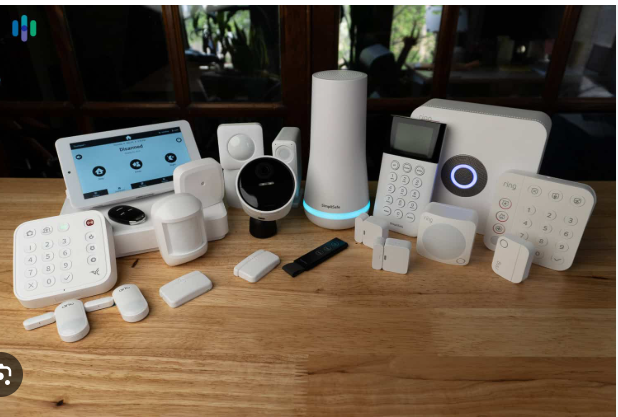
In the era of digital transformation, smart devices have become integral to our daily lives. From smart thermostats and security cameras to connected appliances and wearable technology, these devices promise convenience, automation, and improved efficiency. However, as our homes and workplaces become increasingly connected, security and privacy concerns have also grown. Most smart devices today rely on cloud storage to store data, which introduces potential vulnerabilities. An alternative approach, which is gaining traction, is cloudless smart device security, where devices operate securely without relying on cloud servers. Understanding how these devices function and maintain robust security is crucial for anyone concerned with data privacy and cyber resilience.
What is Cloudless Smart Device Security?
Cloudless smart device security refers to devices that operate independently of remote servers or cloud storage. Instead of sending sensitive information to external servers for storage or processing, these devices handle all data locally. This local-first approach minimises potential exposure to cyber attacks, as there is no centralised server that can be breached remotely.
Cloudless devices rely on a combination of local data encryption, on-device processing, secure authentication, and network isolation to ensure security. The key principle is simple: keep sensitive data physically and digitally close to the user, reducing the risk of data leakage, unauthorised access, or third-party exploitation.
How Cloudless Devices Differ From Cloud-Based Devices
Cloud-based smart devices typically store user data—like video feeds, sensor readings, and usage logs—on external servers. These devices allow remote access from anywhere, seamless backups, and easy updates. However, this convenience comes with potential risks:
-
Centralised Target for Hackers: Cloud servers are prime targets for cyber attacks. Breaching a server can compromise the data of thousands or millions of users.
-
Privacy Concerns: Cloud storage often involves data sharing with third-party services, creating potential privacy risks.
-
Dependency on Internet Connectivity: Cloud devices require a stable internet connection for normal operation; outages can render devices partially or completely unusable.
In contrast, cloudless devices:
-
Store data locally, often on SD cards, internal memory, or private servers.
-
Process sensitive information on-device, reducing data exposure.
-
Operate offline, maintaining functionality even during internet outages.
-
Give users full control over their data, enhancing privacy and ownership.
Core Security Mechanisms of Cloudless Devices
To achieve robust security without cloud reliance, these devices implement multiple layers of protection. Here’s a breakdown:
1. Local Data Encryption
Encryption is the foundation of cloudless device security. Devices use advanced encryption standards (AES-256) to secure stored data. Even if an unauthorised person gains physical access to the device, encrypted data remains inaccessible without proper authentication keys.
Some devices also employ end-to-end encryption, ensuring that any communication between the device and authorised users (e.g., via a smartphone app) remains protected, even if transmitted over a local network.
2. On-Device Processing
Cloudless devices reduce risk by processing data locally rather than sending raw information to a cloud server. For instance:
-
A smart security camera may perform motion detection and facial recognition internally, sending only alerts to the user.
-
A smart thermostat may analyse temperature and energy usage patterns on-device to optimise climate control without sharing data externally.
Local processing ensures that sensitive information does not leave the physical premises of the device, mitigating interception or data theft risks.
3. Secure Authentication and Access Control
Cloudless devices maintain robust access security through multiple mechanisms:
-
PIN codes or passwords: Basic access protection for local settings.
-
Biometric authentication: Fingerprint or facial recognition for authorised users.
-
Multi-factor authentication (MFA): Adds an extra layer of security for device access.
-
Role-based access control (RBAC): Allows different levels of access for administrators, family members, or staff.
Even without a cloud account, these measures prevent unauthorised access and misuse.
4. Firmware Security and Secure Updates
Firmware vulnerabilities can compromise any device. Cloudless devices implement secure offline firmware updates, often using cryptographically signed packages. This ensures:
-
Updates are authentic and untampered.
-
Hackers cannot inject malware through firmware updates.
-
Devices remain secure even without cloud-based update mechanisms.
5. Local Network Isolation
Many cloudless devices operate entirely within a private network, such as a home LAN or a secure office network. This approach includes:
-
VLAN segmentation: Isolates devices from other network traffic.
-
Firewall configurations: Prevents unauthorized access from external networks.
-
VPN usage: Securely connects authorised devices for remote monitoring without sending data to the cloud.
Network isolation ensures that even if part of the network is compromised, the device itself remains secure.
Advantages of Cloudless Smart Devices
1. Enhanced Privacy
Data never leaves the device or local network, giving users complete control. This is particularly important for devices handling sensitive information like home security, medical data, or personal routines.
2. Reduced Cybersecurity Risks
Without cloud dependency, there’s no centralised server to target. Cybercriminals must physically access the device or compromise the local network, which is much harder and less rewarding.
3. Offline Functionality
Cloudless devices continue to operate during internet outages. Alerts, automated actions, and monitoring remain functional even without cloud connectivity.
4. Complete Data Ownership
Local storage ensures that all data remains under user control. Cloud-based services often retain some rights over data, which can lead to privacy concerns or misuse.
Challenges and Limitations
While cloudless devices offer significant advantages, they also have limitations:
-
Limited Remote Access: Accessing real-time data from outside the local network can be challenging. Some devices solve this via secure VPN connections.
-
Backup and Data Loss Risks: Without cloud backups, data can be lost if a device fails. Users must maintain manual backups.
-
Higher Device Costs: Devices require additional storage and processing power to handle data locally.
-
Complex Configuration: Secure setup may require technical knowledge, particularly for network isolation and firmware updates.
Examples of Cloudless Smart Devices
-
Local-Only Security Cameras: Record footage on SD cards and perform motion detection internally, sending only alerts to users.
-
Smart Door Locks: Store access logs and PIN codes locally, using encryption to prevent unauthorised access.
-
Smart Thermostats: Adjust home climate autonomously without sending behaviour data to a remote server.
-
Home Automation Hubs: Execute automation scripts and control connected devices entirely locally.
-
Medical Monitoring Devices: Store patient data securely on local memory to comply with privacy regulations like HIPAA.
Best Practices for Users
To maximise the security and reliability of cloudless devices:
-
Enable strong encryption and authentication.
-
Keep firmware updated using verified offline methods.
-
Isolate devices on separate local networks or VLANs.
-
Regularly perform local backups to prevent data loss.
-
Monitor device logs and alerts directly rather than relying on third-party dashboards.
Cloudless Security vs Cloud-Based Security
| Feature | Cloudless Devices | Cloud-Based Devices |
|---|---|---|
| Data Storage | Local (device/SD card) | Remote servers (cloud) |
| Privacy | High, full control | Moderate, cloud provider may access data |
| Cybersecurity Risk | Lower (no central target) | Higher (centralized target for hackers) |
| Internet Dependency | Optional | Required |
| Remote Access | Limited, via VPN | Easy, via cloud apps |
| Backup & Recovery | Manual/local | Automatic in cloud |
This comparison highlights why cloudless devices are preferred by privacy-conscious users.
The Future of Cloudless Smart Devices
The future of smart devices is moving toward edge computing, where processing and analytics occur on the device itself. Combined with -powered local intelligence, cloudless devices can perform sophisticated tasks—like predictive automation, anomaly detection, and behavioural analysis—without sending sensitive data externally.
This trend is especially important for industries like healthcare, finance, and security, where data privacy and compliance are critical. Cloudless smart devices empower users to enjoy the benefits of automation and intelligence without sacrificing privacy.
Conclusion
Smart device security without cloud storage represents a privacy-first approach to connected living. By leveraging local processing, encryption, authentication, and network isolation, these devices ensure sensitive data remains under the user’s control. While cloudless devices come with challenges like limited remote access and manual backups, their advantages—enhanced privacy, reduced cyber risk, offline functionality, and data ownership—make them an appealing choice for both individuals and organisations.
As technology evolves, cloudless smart devices will continue to improve, offering smarter, faster, and more secure solutions without compromising user privacy. The future of connected technology lies in balancing convenience with control, and cloudless devices are a pivotal step in that direction.
