
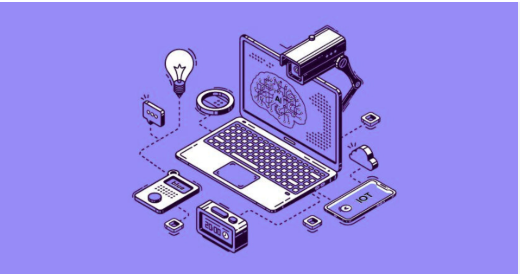
Technology is one of the most powerful forces shaping the modern world. It influences how people communicate, work, learn, and solve problems. From simple tools used by early humans to advanced digital systems driving today’s global economy, technology has continuously evolved to meet human needs. In the present era, technology is not just a support system; it is the foundation of progress and innovation.
In everyday life, technology quietly works in the background, making tasks easier, faster, and more accurate. Whether it is a smartphone, an online service, or a smart machine, technology helps individuals and organisations operate more efficiently. As societies continue to grow and face new challenges, technology remains a key solution for development and sustainability.
Understanding Technology in Simple Terms
Technology can be defined as the practical use of knowledge to create tools, systems, and processes that solve real-world problems. It includes machines, software, digital platforms, and even methods that improve productivity and comfort. Technology is not limited to computers or the internet; it exists in agriculture, medicine, transportation, construction, and many other fields.
What makes technology powerful is its ability to evolve. Each generation builds upon previous innovations, improving efficiency and expanding possibilities. This continuous improvement allows technology to adapt to changing human needs and environmental conditions.
Historical Growth of Technology
The journey of technology began with basic inventions such as stone tools and fire. These early developments helped humans survive and form communities. As time passed, technological progress accelerated with the invention of farming tools, writing systems, and early machines.
The Industrial Revolution marked a major shift when machines replaced manual labour. Steam engines, factories, and mechanical systems increased production and transformed economies. Later, the invention of electricity further expanded technological capabilities.
The digital revolution introduced computers, the internet, and mobile devices, changing how people interact with information. Today, technology continues to advance rapidly through automation, artificial intelligence, and data-driven systems.
Technology and Modern Communication
Communication has been completely transformed by technology. In the past, communication was slow and limited by distance. Today, people can connect instantly from anywhere in the world. Mobile phones, messaging apps, emails, and video calls have made communication faster and more reliable.
Technology also allows information to spread quickly. News, educational content, and ideas can reach millions of people within seconds. This global connectivity supports collaboration, innovation, and cultural exchange.
However, digital communication also brings challenges such as misinformation, privacy risks, and reduced face-to-face interaction. Responsible use of communication technology is essential to maintain trust and social balance.
Role of Technology in Education
Education has experienced significant change due to technology. Online learning platforms, digital classrooms, and educational software have made learning more accessible. Students can now study from anywhere and access a wide range of resources.
Technology supports personalised learning by adapting content to individual needs. Teachers use digital tools to create interactive lessons and assess student performance more effectively. Skills related to technology, such as programming and digital literacy, are also becoming essential in modern education.
Despite its benefits, unequal access to technology remains a challenge. Bridging the digital divide is important to ensure fair educational opportunities for all learners.
Technology in Healthcare Systems
Healthcare has improved greatly through technological innovation. Advanced medical equipment, digital health records, and diagnostic tools have increased accuracy and efficiency. Doctors can now detect diseases earlier and provide better treatment options.
Telemedicine allows patients to consult doctors remotely, saving time and increasing access to healthcare services. Wearable devices help individuals monitor their health and maintain a healthier lifestyle.
While technology improves healthcare outcomes, data security and ethical concerns must be addressed. Protecting patient information is critical in a technology-driven healthcare system.
Impact of Technology on Business and Work
Technology has reshaped the business world. Automation, cloud systems, and digital communication tools help organisations operate smoothly. Businesses can analyse data to understand customer behaviour and make informed decisions.
Remote work has become possible due to technology, allowing employees to work from different locations. Online marketplaces and digital payment systems have expanded business reach and improved customer convenience.
At the same time, technology changes job roles. Some tasks become automated, while new opportunities emerge. Continuous learning and skill development are necessary to adapt to these changes.
Technology in Daily Life
Technology plays a major role in daily routines. Smart devices, home automation, and digital services simplify tasks such as shopping, banking, and communication. Navigation systems and transportation apps make travel more efficient.
Entertainment has also evolved through technology. Streaming platforms, online games, and digital media provide instant access to content. People can create and share content easily, making technology a tool for creativity and expression.
However, overdependence on technology can affect physical and mental health. Maintaining balance is important for a healthy lifestyle.
Challenges Associated with Technology
Although technology offers many benefits, it also presents challenges. Cybersecurity threats and data breaches are increasing as more information moves online. Protecting digital systems is a major concern for individuals and organisations.
Technology can also widen social and economic gaps. Not everyone has equal access to digital resources, leading to inequality. Additionally, excessive use of technology can cause stress, reduced attention, and social isolation.
Addressing these challenges requires awareness, regulation, and responsible use of technology.
Future of Technology
The future of technology promises even greater transformation. Emerging fields such as artificial intelligence, robotics, and advanced computing are expected to shape industries and lifestyles. These technologies can improve efficiency, sustainability, and problem-solving.
However, the future of technology depends on ethical development. Technology should support human values, protect the environment, and promote fairness. Collaboration between governments, businesses, and individuals will play a key role in shaping responsible innovation.
Conclusion
Technology is a powerful force that continues to shape the world. It influences communication, education, healthcare, business, and daily life. While technology brings efficiency and innovation, it also requires careful management to address risks and challenges.
By using technology wisely and responsibly, societies can unlock their full potential. Technology is not just about machines or systems; it is about improving human life and creating a better future for generations to come.
