
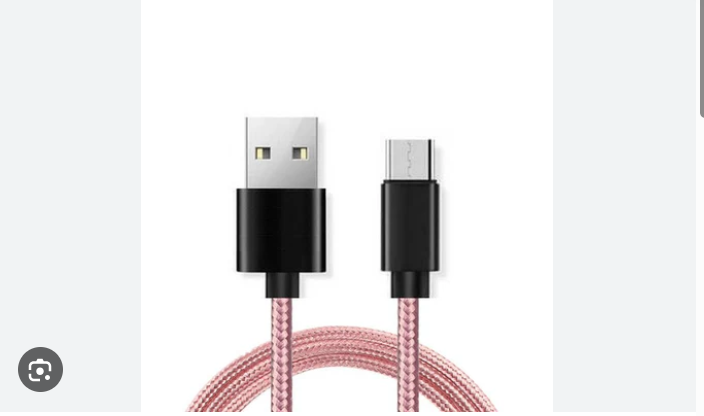
Introduction
In today’s digital world, a charging cable is one of the most essential accessories we use daily. Whether it’s a smartphone, tablet, laptop, smartwatch, wireless earbuds, gaming console, or power bank, every modern device depends on a reliable charging cable. While most people see it as a simple wire that connects their device to power, the reality is much more complex. Charging cables have evolved significantly in terms of speed, durability, safety, compatibility, and technology.
From basic USB cables to advanced USB-C Power Delivery cables capable of charging laptops at high wattage, the charging cable has transformed into a powerful tool of energy transfer and data communication. This article explores everything about charging cables — types, technologies, materials, safety standards, fast charging systems, buying tips, and future innovations.
What Is a Charging Cable?
A charging cable is a device used to transfer electrical power from a power source (like a wall adapter, power bank, or computer) to an electronic device. Many charging cables also support data transfer, allowing devices to sync files while charging.
A typical charging cable consists of:
-
Connector heads (on both ends)
-
Insulated internal wires
-
Shielding material
-
Outer protective jacket
Although it may look simple from the outside, inside it contains carefully designed copper wires and chips that regulate voltage and current flow.
Main Types of Charging Cables
1. USB-A Cable
USB-A is the traditional rectangular USB connector. It is commonly used on wall chargers, laptops, and power banks. While still widely used, it is gradually being replaced by USB-C.
2. Micro-USB Cable
Micro-USB was once the standard for Android smartphones and many accessories. It is small and affordable but supports limited power compared to modern standards.
3. Lightning Cable
Developed by Apple, Lightning cables are used for iPhones, iPads (older models), and some Apple accessories. They are compact and reversible but exclusive to Apple devices.
4. USB-C Cable
USB-C is the modern universal charging standard. It is reversible, faster, and supports high power output. USB-C can charge smartphones, tablets, laptops, and even gaming devices.
5. Thunderbolt Cable
Thunderbolt cables look like USB-C but support extremely high data transfer speeds and high power delivery. They are commonly used for professional laptops and external displays.
How Charging Cables Work
Charging cables transfer electricity from a power adapter to your device. The adapter converts AC power (from a wall socket) into DC power. The cable carries that DC power safely to your device’s battery.
Modern charging cables include smart chips that communicate with devices. This communication ensures:
-
Correct voltage supply
-
Controlled current flow
-
Prevention of overheating
-
Safe fast charging
Without proper cable technology, devices may charge slowly or become damaged.
Fast Charging Technology
One of the biggest innovations in charging cable technology is fast charging.
What Is Fast Charging?
Fast charging allows devices to charge at higher power levels, reducing charging time significantly.
Popular Fast Charging Standards:
-
USB Power Delivery (USB-PD)
-
Qualcomm Quick Charge
-
Samsung Adaptive Fast Charging
-
Apple Fast Charging
-
VOOC (Oppo)
-
Warp Charge (OnePlus)
To support fast charging, you need:
-
Compatible device
-
Fast charging adapter
-
High-quality fast charging cable
A normal cable cannot handle high wattage efficiently.
Charging Speed and Wattage
Charging speed depends on:
-
Voltage (V)
-
Current (A)
-
Wattage (W)
Formula:
Watt = Volt × Ampere
For example:
-
5V × 2A = 10W (standard charging)
-
9V × 2A = 18W (fast charging)
-
20V × 5A = 100W (laptop charging)
USB-C cables can support up to 240W in the latest standards.
Data Transfer Capabilities
Charging cables are not just for power. Many also transfer data.
Different speeds include:
-
USB 2.0 – 480 Mbps
-
USB 3.0 – 5 Gbps
-
USB 3.1 – 10 Gbps
-
Thunderbolt 4 – 40 Gbps
Not all USB-C cables support high-speed data. Some are charge-only cables.
Materials Used in Charging Cables
Quality depends heavily on the materials used.
1. Copper Core
High-quality copper improves conductivity and charging speed.
2. Shielding
Prevents interference and ensures stable performance.
3. Outer Jacket Types:
-
PVC (cheap but less durable)
-
TPE (flexible)
-
Nylon Braided (strong and long-lasting)
-
Silicone (soft and premium feel)
Nylon braided cables are more durable and resistant to bending damage.
Common Problems with Charging Cables
1. Slow Charging
Caused by a low-quality cable or an incompatible adapter.
2. Cable Breakage
Frequent bending near connectors causes internal wire damage.
3. Overheating
Poor insulation or cheap materials can lead to heat buildup.
4. Loose Connection
Worn-out connectors may stop charging properly.
How to Choose the Best Charging Cable
When buying a charging cable, consider:
-
Compatibility with the device
-
Fast charging support
-
Cable length
-
Build quality
-
Brand reliability
-
Certification (USB-IF, MFi for Apple)
Avoid extremely cheap cables as they may damage your device.
Cable Length: Does It Matter?
Yes. Longer cables may result in:
-
Slight power loss
-
Reduced charging efficiency
Short cables are better for fast charging, while long cables are convenient for flexible use.
Safety and Certifications
Certified cables go through testing for:
-
Overcurrent protection
-
Short circuit prevention
-
Temperature control
-
Electrical safety
Look for:
-
USB-IF certification
-
Apple MFi certification
These ensure device safety.
Environmental Impact
Millions of charging cables are discarded every year. E-waste is a growing issue.
Solutions include:
-
Using durable cables
-
Recycling old cables
-
Buying universal USB-C cables
-
Supporting eco-friendly brands
USB-C standardisation reduces electronic waste significantly.
Wireless Charging vs Charging Cable
Wireless charging is convenient, but:
-
Slower than wired charging
-
Less energy efficient
-
Generates more heat
Charging cables remain faster and more reliable.
Future of Charging Cables
The future includes:
-
Higher wattage (240W+)
-
Smarter chips
-
Eco-friendly materials
-
Universal USB-C adoption
-
Magnetic detachable cables
-
Ultra-fast data + power integration
USB-C is becoming a global standard across smartphones, laptops, and even gaming consoles.
Tips to Increase Cable Lifespan
-
Avoid bending near the connector
-
Do not pull from the wire (pull from the head)
-
Store properly
-
Keep away from water
-
Use cable protectors
Proper care can double cable lifespan.
Why Charging Cable Quality Matters
A low-quality cable can:
-
Damage battery health
-
Reduce charging speed
-
Cause overheating
-
Risk short circuits
A high-quality cable ensures:
-
Safe charging
-
Long-term device performance
-
Better battery life
Investing in a good cable protects expensive devices.
Charging Cables in Smart Devices
Modern smart homes use charging cables for:
-
Smart speakers
-
Security cameras
-
Tablets
-
Smart displays
-
Wearables
USB-C is becoming the central power solution.
Business and Commercial Use
In offices and industries:
-
Data centres use heavy-duty cables
-
Retail stores use charging stations
-
Airports install public charging ports
-
Car manufacturers integrate USB-C ports
Charging cables are now essential infrastructure.
Conclusion
The charging cable may appear small, but it plays a powerful role in modern technology. From smartphones to laptops and smart devices, it ensures seamless power delivery and data communication. With the rise of USB-C and fast charging technology, cables are becoming smarter, faster, and more efficient.
Choosing the right charging cable is not just about convenience — it is about safety, performance, and long-term device health. As technology continues to evolve, charging cables will remain a critical part of our connected world.
