
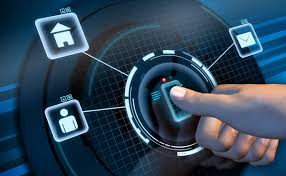
In the rapidly evolving digital era, the need for robust, reliable, and convenient methods of authentication has never been greater. Traditional security measures such as passwords and PINs, while widely used, have shown significant limitations in terms of security, user experience, and adaptability. As cyber threats become more advanced and the demand for frictionless digital services increases, biometrics has emerged as a transformative technology, redefining security and identity verification in the modern world. From fingerprint scans to facial recognition and iris scans, biometric systems are reshaping the way individuals interact with technology and safeguard their personal information.
Understanding Biometrics
Biometrics refers to the measurement and analysis of unique biological and behavioral characteristics that can be used to identify or authenticate individuals. Unlike traditional credentials such as passwords, which can be forgotten, stolen, or shared, biometric traits are inherently tied to the individual, making them far more secure and difficult to replicate. The most common biometric modalities include fingerprints, facial recognition, iris scans, voice recognition, and even behavioral patterns such as typing rhythm or gait.
The strength of biometrics lies in its foundation: uniqueness and permanence. Each person’s biometric data, whether a fingerprint or iris pattern, is distinct and remains relatively stable over time. This makes biometrics an attractive option for governments, businesses, and individuals seeking both enhanced security and ease of use.
Evolution of Biometric Technology
Although biometrics may seem like a recent innovation, the concept has existed for centuries. Ancient civilizations used physical traits such as fingerprints or facial features for identification. However, the modern era of biometric authentication began in the late 20th century with advances in computing power, algorithms, and digital imaging.
Initially, biometric systems were limited to high-security applications, such as military or government use. Fingerprint recognition was one of the earliest widely adopted biometric methods, primarily in law enforcement. Over time, as technology became more accessible and cost-effective, biometrics expanded into consumer markets, healthcare, banking, and everyday devices such as smartphones.
The release of Apple’s Touch ID in 2013 and Face ID in 2017 marked a turning point in the widespread adoption of biometric authentication. What was once considered cutting-edge technology became a part of daily life for billions of people worldwide.
Applications of Biometrics in the Digital Age
Biometric technology now powers a broad range of applications across industries, redefining the landscape of identity and security. Some of the most notable applications include:
1. Smartphones and Consumer Devices
Biometrics has become a standard feature in smartphones, laptops, and wearable devices. Fingerprint and facial recognition provide secure yet effortless access to devices, eliminating the need to remember complex passwords. This convenience has played a major role in popularizing biometrics among consumers.
2. Banking and Financial Services
The financial sector has embraced biometrics to enhance security and prevent fraud. Banks use fingerprint, voice, and facial recognition for customer authentication during online transactions or at ATMs. By tying identity verification to biological traits, financial institutions reduce the risk of identity theft and fraud while improving user experience.
3. Healthcare
In healthcare, biometrics helps secure patient records, prevent medical identity theft, and ensure accurate patient identification. For example, hospitals may use fingerprint or iris scans to match patients with their medical history, reducing errors in treatment.
4. Government and Border Control
Governments worldwide have adopted biometric systems for national ID programs, passports, and border security. Biometric passports, equipped with facial recognition and fingerprint data, make international travel safer and more efficient. Countries like India have implemented large-scale biometric identification systems, such as Aadhaar, to streamline access to services for over a billion citizens.
5. Workplace Security
Many organizations use biometric access systems to secure offices, data centers, and sensitive facilities. Fingerprint or facial recognition ensures that only authorized personnel can enter restricted areas, reducing risks associated with lost or stolen access cards.
6. E-Commerce and Online Services
With the surge in online shopping and digital services, biometrics provides a seamless way to authenticate users during purchases or account logins. Biometric payment systems, such as facial recognition-enabled checkouts, are already becoming mainstream in some regions.
Advantages of Biometrics
The growing adoption of biometrics is driven by several clear advantages:
-
Enhanced Security – Unlike passwords, biometric data is unique to each individual and harder to forge or replicate.
-
Convenience – Biometric systems offer quick, effortless authentication without the need to remember credentials.
-
Reduced Fraud – Tying access and transactions to unique biological traits minimizes identity theft and fraudulent activities.
-
User Acceptance – With biometrics integrated into daily devices, users are increasingly comfortable with the technology.
-
Scalability – Advances in technology make it easier to deploy biometrics across industries and on a large scale.
Challenges and Concerns
Despite its benefits, biometric technology also raises several challenges and ethical concerns that cannot be overlooked.
-
Privacy Issues – Biometric data is deeply personal. If compromised, unlike a password, it cannot be changed. This makes data breaches particularly concerning.
-
Data Security – Storing biometric data requires strong encryption and safeguards to prevent misuse or hacking.
-
Bias and Accuracy – Biometric systems may not always perform equally well across different demographics, raising concerns of bias and discrimination.
-
Legal and Ethical Concerns – The collection and use of biometric data raise questions about consent, surveillance, and data ownership.
-
Spoofing Attempts – While difficult, sophisticated hackers have occasionally succeeded in fooling biometric systems using replicas or deepfake technology.
The Future of Biometrics
As technology advances, the role of biometrics will continue to expand. Future innovations are likely to focus on multimodal biometrics, which combine multiple biometric traits, such as fingerprint and voice recognition, to improve accuracy and reduce vulnerabilities.
Integration with artificial intelligence (AI) and machine learning (ML) will make biometric systems smarter and more adaptive, capable of detecting spoofing attempts and analyzing behavioral patterns in real-time. Additionally, decentralized storage methods, such as blockchain, may offer more secure ways to manage biometric data.
Biometrics will also play a vital role in shaping the future of digital identity systems, enabling secure authentication in emerging fields such as the metaverse, virtual banking, and smart cities. However, the success of biometrics in the long term will depend on striking a balance between technological innovation, user convenience, and ethical responsibility.
Conclusion
Biometrics has undeniably transformed the way we think about identity and security in the digital age. By replacing vulnerable passwords with unique human traits, it offers a powerful solution to the challenges of modern authentication. From unlocking smartphones to securing national borders, biometrics is already integrated into countless aspects of daily life.
Yet, as with any technology, its adoption must be accompanied by careful consideration of privacy, ethics, and fairness. The future of biometrics lies not only in technological advancements but also in building trust and ensuring responsible use. As society continues to embrace digital transformation, biometrics will remain at the forefront—redefining security and identity for generations to come.
