
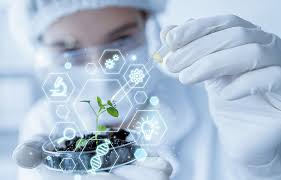
Biotechnology is one of the most dynamic and transformative fields of modern science. At its core, biotechnology uses biological systems, living organisms, or their components to develop products and technologies that improve human life and the planet. While it once focused mainly on healthcare, biotechnology has now expanded into multiple industries, including agriculture, energy, manufacturing, and environmental management. By blending biology with technology, biotechnology is reshaping industries, creating innovative solutions, and driving sustainable progress.
Understanding Biotechnology
Biotechnology is not entirely new; humans have been using biological processes for centuries. Ancient civilizations practiced fermentation to make bread, wine, and cheese, and farmers selectively bred plants and animals to enhance productivity. However, modern biotechnology has taken these practices to new heights with genetic engineering, molecular biology, and advanced tools like CRISPR, artificial intelligence, and nanotechnology. These innovations allow scientists to manipulate organisms at the genetic level and design solutions for problems once thought impossible.
Biotechnology in Healthcare
One of the most significant impacts of biotechnology has been in healthcare. The development of recombinant DNA technology, gene therapy, and biopharmaceuticals has revolutionized how diseases are treated and prevented. For example, biotechnology enabled the production of insulin from genetically modified bacteria, saving millions of lives worldwide.
Vaccines are another area where biotechnology plays a crucial role. From traditional vaccines to advanced mRNA-based vaccines, biotechnology has accelerated disease prevention and preparedness. Beyond infectious diseases, gene therapies now offer hope for treating genetic disorders like muscular dystrophy and sickle cell anemia. Personalized medicine, which tailors treatments to individual genetic profiles, is also a direct result of biotechnological innovation.
Biotechnology in healthcare does not stop at treatment. It also enables early detection and diagnosis through advanced testing methods such as molecular diagnostics, DNA sequencing, and biomarker analysis. These innovations help identify diseases at an early stage, improving the chances of successful treatment.
Biotechnology in Agriculture
The agricultural sector has also been transformed by biotechnology. Genetically modified (GM) crops have been developed to resist pests, tolerate drought, and increase nutritional value. For example, Bt cotton and pest-resistant corn have reduced reliance on chemical pesticides, lowering costs and environmental damage. Golden Rice, enriched with Vitamin A, is another breakthrough aimed at combating malnutrition.
Beyond crops, biotechnology also supports sustainable farming. Advances in synthetic biology and bioengineering allow for the creation of biofertilizers and biopesticides, which are safer alternatives to chemicals. Precision agriculture, supported by biotechnology, integrates genetic data with digital tools to optimize farming practices and increase yields. Livestock breeding has also improved, with biotechnology ensuring healthier animals and more sustainable production systems.
Biotechnology in Industry and Manufacturing
Industrial biotechnology, sometimes called “white biotechnology,” is changing the way products are made. Instead of relying solely on fossil fuels and chemical processes, industries now use microorganisms, enzymes, and biocatalysts to manufacture goods. This shift is not only cost-effective but also environmentally friendly.
For example, enzymes produced through biotechnology are used in detergents, textiles, food processing, and paper production. Bio-based plastics, fuels, and chemicals are replacing petroleum-based products, reducing greenhouse gas emissions. Yeast and bacteria can be engineered to produce biofuels like ethanol and biodiesel, offering renewable energy solutions.
The rise of synthetic biology has expanded possibilities even further. Scientists can design organisms to produce complex molecules, medicines, or even materials like spider silk for industrial use. Such developments demonstrate how biotechnology is merging biology with engineering to redefine industrial production.
Biotechnology and Environmental Sustainability
Environmental challenges such as pollution, waste, and climate change require urgent solutions. Biotechnology provides innovative tools to address these issues. Bioremediation, for instance, uses microorganisms to clean up oil spills, heavy metals, and toxic waste. Algae-based systems are being developed to capture carbon dioxide and produce clean biofuels, offering alternatives to fossil fuels.
Biotechnology also promotes the concept of a circular economy. Waste materials from one industry can be transformed into valuable products for another. For example, agricultural residues can be converted into bioenergy or biodegradable materials, reducing both waste and environmental impact.
Water purification and waste treatment systems are also benefitting from biotechnology, ensuring access to clean resources while minimizing ecological harm. These approaches highlight how biotechnology is essential in building a sustainable future.
Biotechnology in Food and Consumer Products
Food production and processing have embraced biotechnology in numerous ways. Enzymes derived from microorganisms help improve flavors, textures, and preservation in everyday foods. Probiotics and functional foods are designed using biotechnology to support human health and nutrition.
Lab-grown meat, or cultured meat, is another groundbreaking innovation. By cultivating animal cells in controlled environments, biotechnology can produce meat without the need for large-scale animal farming. This technology has the potential to reduce environmental impact, animal suffering, and food insecurity.
Similarly, plant-based proteins and dairy alternatives are often enhanced through biotechnological processes, making them more nutritious and sustainable. These advancements reflect how biotechnology is not only shaping industries but also changing consumer lifestyles.
The Role of Biotechnology in the Future
The future of biotechnology is filled with exciting possibilities. With advances in artificial intelligence, machine learning, and big data, biotechnology research and applications are becoming faster and more precise. Tools like CRISPR gene editing are opening doors to edit genes with unprecedented accuracy, paving the way for cures to previously untreatable diseases.
In industry, biofabrication could revolutionize how materials are created, from clothing to building materials. In agriculture, climate-resilient crops could help feed a growing global population despite environmental challenges. Biotechnology will also continue to be central in achieving global sustainability goals, ensuring balance between economic growth and environmental stewardship.
However, with these opportunities come challenges. Ethical concerns regarding genetic modification, biosecurity risks, and equitable access to biotechnological advancements remain important issues. Policymakers, scientists, and industries must work together to ensure biotechnology is used responsibly and for the benefit of humanity.
Conclusion
Biotechnology has evolved from a niche scientific discipline into a powerful driver of innovation across industries. By combining biology and technology, it has transformed healthcare, agriculture, manufacturing, environmental management, and food systems. From saving lives with advanced therapies to creating sustainable energy solutions, biotechnology is shaping industries and redefining the future.
As science continues to advance, biotechnology will remain a cornerstone of human progress. Its potential to solve global challenges, promote sustainability, and push the boundaries of possibility makes it one of the most important forces shaping the 21st century and beyond.
-
What is Biotechnology?
-
The use of living systems to create useful products and innovations.
-
Where is Biotechnology used?
-
In healthcare, agriculture, industry, and environmental solutions.
-
How does Biotechnology help in medicine?
-
By developing vaccines, diagnostics, and advanced therapies.
-
What are the challenges of Biotechnology?
-
Ethical issues, high costs, and environmental concerns.
-
What is the future of Biotechnology?
-
Precision medicine, synthetic biology, and sustainable technologies.
