
Introduction
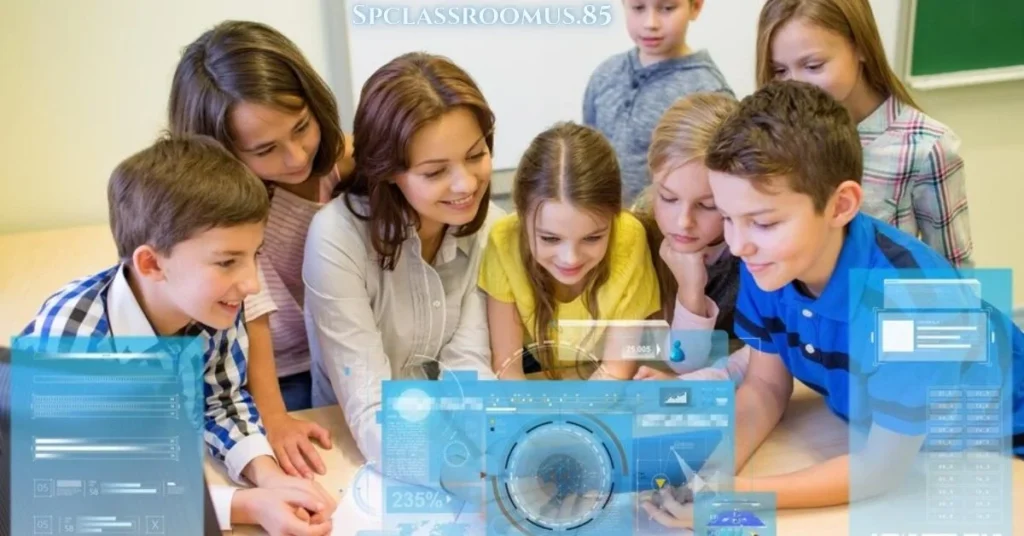
Do you remember the days of sitting in a classroom, staring at a blackboard, while a teacher droned on about concepts that felt miles away from your reality? Traditional education, with its rigid schedules and one-size-fits-all approach, has struggled to keep up with the fast-paced, digitally connected world we live in today. That’s where Classroomus comes into play—a revolutionary concept that reimagines learning as immersive, interactive, and student-centred.
At its core, Classroomus is more than just a digital classroom; it’s a philosophy of engagement, collaboration, and creativity. Whether you’re a teacher, a student, or a parent, Classroomus transforms the way you think about education by bridging the gap between technology and traditional teaching methods. In this article, we’ll explore what Classroomus is, how it works, why it’s so effective, and how you can integrate it into real-life learning scenarios.
What Is Classroomus?
Classroomus is a hybrid learning model that merges the best of traditional classrooms with cutting-edge technology. It’s not simply a platform; it’s an ecosystem where students are active participants, teachers are mentors, and technology enhances every step of the learning journey.
Some key elements of classroomus include:
-
Interactive Learning – Lessons go beyond lectures with visual, tactile, and digital content.
-
Collaboration – Students work together on projects, brainstorm, and problem-solve as teams.
-
Gamification – Learning incorporates rewards, challenges, and interactive experiences to keep students motivated.
-
Adaptive Learning Paths – Education is personalised to each student’s pace, preferences, and learning style.
Classroomus is designed to break free from the passive learning model and create an environment where curiosity, creativity, and critical thinking thrive.
Why Classroomus Matters Today
The traditional classroom has been around for centuries, but the world has changed dramatically. Here’s why Classroomus is not just useful—it’s essential.
The Digital Shift
From smartphones to tablets and AI-driven platforms, students today interact with technology constantly. They expect learning experiences to be intuitive, engaging, and interactive. Classroomus meets these expectations by using:
-
Digital simulations
-
Interactive presentations
-
Real-time feedback tools
-
Virtual reality (VR) experiences
Without such innovation, traditional teaching risks losing student engagement and failing to prepare learners for a technologically advanced world.
Attention Spans Have Changed
Studies show that modern students have shorter attention spans, making monotonous lectures less effective. Classroomus addresses this by:
-
Breaking content into bite-sized modules
-
Incorporating games, challenges, and quizzes
-
Encouraging hands-on exploration
When learning is fun, it sticks. And that’s the promise of Classroomus.
Personalised Education Is Key
Not every student learns the same way. Classroomus leverages adaptive tools to ensure every learner progresses at their own pace:
-
Visual learners get interactive diagrams
-
Auditory learners enjoy podcasts and recorded lessons
-
Kinesthetic learners participate in virtual labs or hands-on projects
By respecting individual learning styles, classroomus fosters better comprehension and long-term retention.
Features of a Classroom Environment
Let’s dive deeper into the components that make Classroomus revolutionary.
1. Interactive Learning Tools
Students aren’t just listening—they’re doing. Tools like digital whiteboards, AR/VR simulations, and collaborative apps allow students to:
-
Manipulate virtual models
-
Explore complex concepts visually
-
Participate in immersive lessons
For example, instead of reading about the human heart, students can explore a 3D model, trace blood flow, and even simulate heart surgeries virtually.
2. Real-Time Feedback
Immediate feedback is crucial for effective learning. Classroomus incorporates:
-
Automated grading with AI suggestions
-
Teacher annotations in live sessions
-
Peer reviews through collaborative platforms
This ensures students can identify mistakes, improve, and grow continuously.
3. Gamification
Imagine earning badges for completing math problems, levelling up in science experiments, or completing a “learning quest” in history. Gamification keeps students motivated, encourages healthy competition, and promotes consistent learning habits.
4. Collaborative Projects
Collaboration is a cornerstone of classroomus. Platforms like Google Workspace, Miro, and Padlet enable students to:
-
Brainstorm ideas together
-
Work on shared assignments
-
Present projects in creative ways
This mirrors real-world teamwork and helps develop interpersonal skills.
5. Virtual Reality Integration
Virtual reality brings lessons to life. Students can:
-
Walk through ancient civilisations
-
Explore molecular structures
-
Travel through space
VR enhances understanding and makes abstract concepts tangible.
The Role of Teachers in Classrooms
Many wonder if Classroomus replaces teachers. The answer is no—teachers are more important than ever, but their roles shift from lecturers to facilitators.
Teachers as Mentors
Teachers guide exploration, inspire curiosity, and support student-led learning. Instead of dictating every step, they help students:
-
Formulate research questions
-
Analyze data
-
Draw conclusions
Data-Driven Instruction
Classroomus provides teachers with analytics on student performance, enabling them to:
-
Identify knowledge gaps
-
Adjust lesson plans
-
Provide targeted support
Creative Lesson Delivery
Teachers can now integrate:
-
Interactive simulations
-
Multimedia presentations
-
Polls and instant quizzes
This variety keeps lessons engaging and helps students retain knowledge more effectively.
How Classroomus Boosts Student Success
Classroomus doesn’t just make learning more fun—it improves outcomes. Benefits include:
-
Higher Engagement – Interactive lessons keep students attentive and involved.
-
Improved Retention – Students remember what they actively participate in.
-
Collaboration Skills – Regular group work builds teamwork and communication.
-
Critical Thinking – Problem-solving tasks enhance independent thought.
-
Emotional Intelligence – Peer interactions teach empathy, feedback, and negotiation skills.
By fostering holistic growth, Classroomus prepares students not only academically but also socially and emotionally.
Building Your Own Classroom Experience
Implementing Classroomus doesn’t require a massive budget or advanced tech skills. Here’s a step-by-step guide:
Step 1: Upgrade Your Tech Stack
Start with essential tools:
-
Google Classroom
-
Microsoft Teams
-
Kahoot!
-
Zoom or Google Meet
These create a digital foundation for collaboration and engagement.
Step 2: Introduce Interactive Content
Replace static content with:
-
Videos and animations
-
Quizzes and polls
-
Interactive slides and diagrams
This keeps lessons lively and engaging.
Step 3: Encourage Collaborative Assignments
Use collaborative platforms like Miro or Padlet for:
-
Brainstorming sessions
-
Group projects
-
Peer-to-peer feedback
Collaboration develops communication and problem-solving skills.
Step 4: Add Gamification
Introduce:
-
Badges and points for completing tasks
-
Leaderboards for friendly competition
-
Learning quests or challenges
Gamification creates a sense of achievement and motivates students to participate actively.
Step 5: Offer Flexible Learning Paths
Allow students to:
-
Choose topics of interest
-
Progress at their own pace
-
Repeat modules if needed
Flexibility empowers students to take control of their learning journey.
Emotional Impact of Classroomus
Classroomus isn’t just about technology—it’s about how students feel. It fosters:
-
Empowerment – Students take charge of their learning.
-
Motivation – Engaging activities spark curiosity.
-
Involvement – Active participation leads to ownership of knowledge.
-
Confidence – Regular feedback and collaboration build self-assurance.
When students feel emotionally invested, they naturally perform better academically.
Traditional Classroom vs Classroomus
| Feature | Traditional Classroom | Classroomus |
|---|---|---|
| Learning Style | Teacher-centered | Student-centered |
| Engagement | Often low | High and consistent |
| Tools | Limited to textbooks and chalkboards | Digital boards, AR/VR, apps |
| Collaboration | Rare | Continuous teamwork |
| Feedback | Delayed | Real-time and iterative |
| Flexibility | Rigid | Adaptive and personalised |
Classroomus clearly provides a more engaging, flexible, and effective learning environment.
Real-Life Classroom Scenarios
📘 Scenario 1: History Lesson
Instead of reading about the Renaissance, students explore 3D museums online, watch VR reenactments, and participate in debates representing historical figures.
🧪 Scenario 2: Science Experiment
Students use AR simulations to study chemical reactions safely, visualising molecular changes without lab hazards.
✍️ Scenario 3: Writing Workshop
Collaborative online boards allow students to co-write stories, receive peer edits, and see AI-assisted grammar suggestions in real time.
🎨 Scenario 4: Art & Creativity
Students create digital artworks or music tracks, share them, and receive constructive feedback from classmates, nurturing both creativity and confidence.
FAQs About Classroomus
Q1: Is Classroomus a software platform?
Not exactly—it’s a holistic concept that uses software and tools to create a modern learning environment.
Q2: Is it only for online classes?
No! Classroomus works for in-person, hybrid, and fully digital settings.
Q3: Can teachers with limited tech skills implement it?
Absolutely. Many intuitive platforms and training programs make it accessible to everyone.
Q4: What age groups can benefit?
All! Classroomus can be adapted from elementary students to adult learners.
Q5: Is Classroomus expensive to implement?
Not necessarily. Many free tools exist to create interactive and collaborative experiences.
Benefits for Parents and Students
✅ Parents Get:
-
Transparent progress tracking
-
Real-time updates on assignments
-
Insights into learning habits
✅ Students Get:
-
Engaging, fun lessons
-
Personalised learning pace
-
Better collaboration and social skills
Future Prospects: Is Classroomus the New Normal?
As technology advances, classroomus is poised to evolve further. AI-driven tutoring, immersive VR labs, and global collaboration platforms will make learning more accessible and personalised than ever. Students will be equipped not just with knowledge, but with critical thinking, creativity, and collaboration skills—preparing them for a rapidly changing world.
Conclusion
Classroomus is more than a buzzword—it’s the future of education. By combining technology, collaboration, personalisation, and engagement, it transforms learning into a dynamic, interactive, and emotionally fulfilling experience. Whether you’re a teacher, parent, or student, embracing classroomus means stepping into a world where education is no longer about rote memorisation but about curiosity, creativity, and real-world skills.
The question isn’t whether classroomus will reshape learning—it’s whether you’re ready to join the revolution.
