
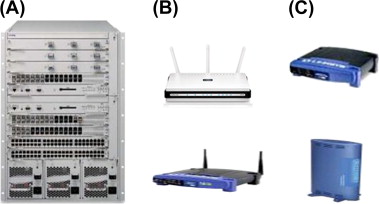
In today’s digital era, the internet has become as essential as electricity, water, and transportation. From communication and education to business, healthcare, and entertainment, almost every aspect of modern life relies on being connected online. At the heart of this connectivity are Internet Service Providers (ISPs), the companies and organizations responsible for delivering internet access to individuals, businesses, and institutions worldwide. Without ISPs, the digital world as we know it would not exist.
This article explores the importance of ISPs, their role in digital transformation, the types of services they provide, challenges they face, and their future in a rapidly advancing technological landscape.
The Role of Internet Service Providers
An Internet Service Provider is an organization that offers services for accessing and using the internet. ISPs act as gateways between users and the vast global network of digital information. They manage the infrastructure, including servers, data centers, fiber-optic cables, satellites, and wireless technologies, that enable smooth connectivity.
The role of ISPs is not limited to just providing internet connections. They are also responsible for:
-
Ensuring Reliability: Maintaining stable connections that users can rely on for daily activities.
-
Enabling Communication: Supporting platforms such as email, video calls, and instant messaging.
-
Driving Business Operations: Facilitating e-commerce, remote work, and cloud-based services.
-
Promoting Digital Inclusion: Expanding internet access to rural and underserved communities.
-
Protecting Users: Offering security features such as firewalls, spam filters, and parental controls.
In short, ISPs are the backbone of digital society, ensuring that information flows freely and efficiently across the globe.
Types of Internet Service Providers
ISPs vary in size, technology, and scope of services. Broadly, they can be categorized into the following types:
1. Dial-up ISPs
These were the pioneers of internet access in the 1990s, relying on telephone lines. Though largely outdated today, dial-up ISPs played a crucial role in introducing the world to the internet.
2. Broadband ISPs
Broadband, including DSL, cable, and fiber-optic services, provides high-speed internet connections. Fiber-optic ISPs are currently the fastest, offering speeds that can reach gigabits per second.
3. Wireless ISPs (WISPs)
These providers deliver internet via radio signals, often used in rural areas where laying cables is impractical.
4. Satellite ISPs
Satellite-based internet is especially useful in remote regions and for global coverage. Companies like Starlink are revolutionizing this space by providing faster and more reliable satellite internet.
5. Mobile Network Operators
Mobile ISPs provide internet through cellular networks (3G, 4G, and now 5G). With the rise of smartphones, mobile data has become one of the most popular forms of connectivity.
Each type of ISP has unique advantages and challenges, but together, they make the internet accessible to billions of users worldwide.
The Importance of ISPs in the Digital Age
The modern digital world is built on connectivity, and ISPs are central to making this possible. Their importance can be understood in several areas:
1. Education
Online classes, digital libraries, and e-learning platforms depend on stable internet connections. During the COVID-19 pandemic, ISPs played a vital role in enabling remote education.
2. Business and Economy
E-commerce websites, cloud computing, and remote work tools all require strong ISP networks. Businesses depend on ISPs for customer engagement, digital marketing, and global collaboration.
3. Healthcare
Telemedicine, remote diagnostics, and digital health platforms rely on fast and secure internet access provided by ISPs.
4. Entertainment
Streaming services like Netflix, YouTube, and gaming platforms would not function without reliable high-speed internet connections.
5. Social Connectivity
Social media platforms thrive on internet access, connecting billions of people and enabling instant communication across borders.
ISPs, therefore, are not just service providers; they are enablers of social, cultural, and economic progress.
Challenges Faced by Internet Service Providers
Despite their importance, ISPs face multiple challenges in maintaining and expanding digital connectivity:
1. High Infrastructure Costs
Building and maintaining broadband networks, especially fiber-optic or satellite systems, requires massive investments.
2. Cybersecurity Threats
ISPs must constantly defend against hacking, data breaches, and other cyberattacks that threaten user safety.
3. Regulatory and Legal Pressures
Governments impose regulations regarding data privacy, content access, and net neutrality. Balancing compliance while maintaining profitability can be complex.
4. Competition
In many markets, ISPs compete fiercely, driving down prices while needing to invest in newer technologies.
5. Accessibility Gaps
Despite advancements, billions of people, especially in rural or developing regions, remain unconnected due to lack of infrastructure.
Overcoming these challenges is essential for ISPs to continue powering the digital world.
The Future of Internet Service Providers
The future of ISPs is closely tied to emerging technologies and global connectivity demands. Some key trends shaping the future include:
1. 5G and Beyond
Mobile ISPs are rapidly rolling out 5G networks, promising faster speeds, lower latency, and support for the Internet of Things (IoT).
2. Satellite Internet Expansion
Companies like SpaceX’s Starlink and Amazon’s Project Kuiper aim to provide high-speed internet to underserved areas using advanced satellite systems.
3. Artificial Intelligence and Automation
ISPs are increasingly using AI for network optimization, predictive maintenance, and improved customer service.
4. Sustainability
Green energy solutions and eco-friendly infrastructure are becoming priorities for ISPs as the world pushes toward sustainability.
5. Global Digital Inclusion
ISPs are working with governments and NGOs to bridge the digital divide, ensuring everyone, regardless of location or income, can access the internet.
Conclusion
Internet Service Providers are the unsung heroes of the digital age. They are not just companies selling a service; they are the foundation of modern communication, commerce, education, healthcare, and entertainment. By powering connectivity, ISPs enable innovation and growth across every sector of society.
As technology continues to evolve, ISPs will face new challenges but also new opportunities. The future promises faster, more reliable, and more inclusive internet access, shaping a world where digital connectivity is a universal right rather than a privilege.
In the end, ISPs are more than service providers—they are the driving force of the digital world, ensuring that humanity remains connected, informed, and empowered.
