
Introduction
Ever googled someone’s name and stumbled upon Spokeo? Yeah, that website that seems to know way too much about where you live, to who your neighbours are. It’s almost eerie how much personal data is out there, right? Naturally, this sparks the million-dollar question: Is Spokeo safe?
In the digital age, where every click, search, and online purchase leaves a trace, data privacy is a hot topic. Sites like Spokeo thrive by compiling publicly available information, the stuff anyone could technically dig up, but most people never do. But even if it’s public, does that make it safe? Or ethical?
Let’s dig deep into what Spokeo actually does, how it handles your data, and whether you should be worried (or just mildly creeped out).
What Is Spokeo, Anyway?
Before we jump into the “safe or not” debate, let’s understand what Spokeo is and what it does.
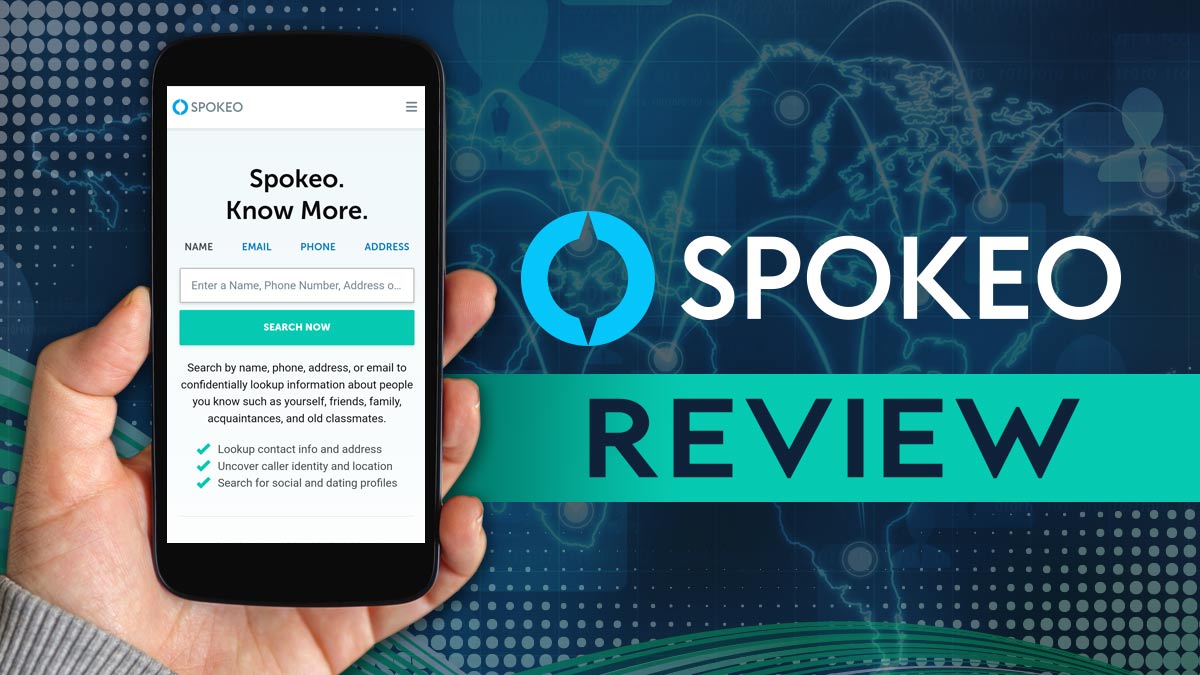
Spokeo is a people search engine based in the United States. Think of it as Google, but specifically for people. It collects and organises data from:
-
Public records (like court filings or property ownership)
-
Social media profiles (Facebook, LinkedIn, Twitter, etc.)
-
Marketing databases and online directories
-
Digital footprint traces (blogs, mentions, photos, and more)
With just a name, phone number, or email, you can pull up a digital footprint of almost anyone.
Sounds powerful? Absolutely. But it’s also a little unsettling when you realise that you might be listed there too.
How Does Spokeo Work?
Spokeo’s algorithm scrapes publicly accessible data from the internet, pieces it together, and displays it in an easy-to-read report.
For instance, if someone searches your name, they might see:
-
Your age and gender
-
Current and previous addresses
-
Phone numbers
-
Relatives’ names
-
Employment history
-
Social media accounts
-
Photos, usernames, or even estimated income
Now, here’s where things get interesting: Spokeo claims it doesn’t create this data, it just organises what’s already out there. That’s technically true, but the way it’s packaged makes it much more accessible (and possibly misused).
So, is Spokeo safe just because it uses public data? Well, not exactly.
The Big Question: Is Spokeo Safe?
Let’s cut to the chase. Spokeo is legal, but that doesn’t necessarily mean it’s entirely safe.
Here’s the breakdown:
✅ The Safe Side
-
Publicly Available Data Only
Spokeo gathers information that’s already public. It doesn’t hack into private databases, so in that sense, it’s not breaking the law. -
Data Removal Options
You can opt out and remove your information from Spokeo’s database. It’s a bit of a process, but it’s doable. -
Encryption and Secure Transactions
When you purchase reports or use their paid services, transactions are encrypted, which means your payment info is safe. -
Transparency
Unlike shady data brokers, Spokeo at least discloses what it collects and allows you to manage your listing.
⚠️ The Not-So-Safe Side
-
Privacy Concerns
Even if the data is public, compiling it into a single report feels invasive. Strangers could use it for background checks, stalking, or harassment. -
Accuracy Issues
Some reports contain outdated or incorrect information, which could lead to misunderstandings, especially if employers or landlords use them informally. -
Potential for Misuse
Not everyone searches Spokeo with good intentions. Some use it to snoop, stalk, or dig up gossip. That’s where safety starts to blur. -
Difficult Opt-Out Process
Removing your info isn’t one-click easy. You have to submit requests manually, and they can reappear later if new data surfaces.
So, is Spokeo safe? Technically, it’s secure in terms of transactions, but not safe when it comes to privacy exposure.
Why People Use Spokeo
Before we completely demonise it, let’s remember that Spokeo isn’t inherently evil. There are legitimate reasons people use it:
-
Finding long-lost relatives or friends
-
Verifying online dates or social media connections
-
Checking unknown callers or suspicious emails
-
Researching property owners or potential tenants
-
Building family trees or genealogy projects
In many cases, it’s a tool and like any tool, it depends on how you use it.
How Safe Is Spokeo for Your Personal Information?
When you use Spokeo to search for others, you’re mostly safe your identity as the searcher isn’t exposed. However, if you’re the one being searched, that’s another story.
Spokeo can unintentionally expose private data you didn’t even know was public. That might include old addresses, phone numbers, or even family member connections.
Here’s the reality check:
Every online service, from Facebook to government databases, shares fragments of your life. Spokeo just stitches them together neatly.
But that “neatness” is exactly what makes it risky.
How to Remove Yourself from Spokeo
If you’ve checked Spokeo and found your details there (spoiler: you probably will), here’s how to opt out safely:
-
Go to the Spokeo opt-out page: https://www.spokeo.com/optout
-
Search for your listing.
-
Copy the listing URL.
-
Paste it into the opt-out form.
-
Enter your email address for verification.
-
Confirm the removal link sent to your email.
Within a few days, your profile should be gone. But remember, Spokeo updates regularly. If your data reappears, you’ll have to repeat the process.
Alternatives to Spokeo
If you’re not comfortable using Spokeo, here are a few safer or more privacy-focused alternatives:
-
BeenVerified – Similar database, but better opt-out options.
-
TruthFinder – Offers deeper background checks with user consent.
-
Pipl – More professional and often used for business verification.
-
Whitepages – Simpler interface with clear data-sourcing.
Still, no matter the platform, your info can appear on multiple sites simultaneously, so if privacy matters, you’ll need to opt out of each individually.
Is Spokeo Safe for Employers or Dating Checks?
Some people use Spokeo to screen potential hires or online dates. But here’s a critical point: Spokeo is not FCRA-compliant (Fair Credit Reporting Act).
That means employers can’t legally use it for hiring decisions. If they do, it could lead to legal trouble.
As for dating? Sure, you can check if someone’s name or photos match up. But take it with a grain of salt. Spokeo’s data isn’t always up-to-date.
So, while it’s handy for a quick peek, it shouldn’t be the sole source of truth.
Common Misconceptions About Spokeo
Let’s clear up a few myths that swirl around Spokeo:
-
“Spokeo hacks into private info.”
Nope. It only compiles public data. -
“Removing my listing once is enough.”
Not quite. You might need to repeat it over time as new records appear. -
“It’s illegal to look someone up.”
It’s not illegal, but how you use the information matters. -
“Spokeo sells your personal data directly.”
They don’t sell you, per se; they sell access to data bundles.
Understanding these distinctions helps you use Spokeo responsibly and safely.
Tips to Protect Your Privacy Online
Since Spokeo and similar sites thrive on your public info, here’s how you can limit your exposure:
-
Tighten your social media privacy settings.
Limit who can see your posts, location, or contact info. -
Avoid sharing your real phone number on random online forms.
-
Use privacy-focused search engines like DuckDuckGo.
-
Regularly Google yourself. Yes, seriously. It’s the easiest way to spot leaks.
-
Use identity protection tools like DeleteMe or Incogni to automate data removals.
Privacy is like hygiene; it needs regular maintenance.
FAQs About “Is Spokeo Safe?”
Q1: Is Spokeo safe to use on my device?
Yes. The site itself doesn’t contain malware or unsafe scripts. Just make sure you’re on the official domain (spokeo.com) and not a fake clone.
Q2: Can Spokeo be used for background checks?
Not legally for employment, housing, or credit. It’s only for personal information searches.
Q3: How accurate is Spokeo’s data?
Moderately accurate. Some info is spot-on, while other parts may be outdated or incorrect.
Q4: Is it free to use Spokeo?
Basic searches are free, but detailed reports require a paid subscription.
Q5: How long does it take to remove your data from Spokeo?
Usually, 2–5 business days after confirming your opt-out request.
The Verdict: Is Spokeo Safe or Not?
So, after peeling back all the digital layers, what’s the verdict?
Is Spokeo safe?
👉 Yes, if you mean secure transactions and legitimate business practices.
👉 No, if you’re talking about privacy protection and data exposure.
Spokeo isn’t inherently dangerous, but it reminds us how little control we have over our online footprints. The best defence? Awareness. Knowing what’s out there and how to manage it.
At the end of the day, Spokeo is a mirror that reflects the data trail we leave behind. The question isn’t just “Is Spokeo safe?” It’s “How safe are we with our information?”
Conclusion
Spokeo sits right at the crossroads between convenience and concern. It’s a handy tool for reconnecting with old friends, verifying contacts, or satisfying curiosity, but it also underscores how much of our personal information floats in the digital ether.
While Spokeo doesn’t directly endanger your safety, it does expose how easily accessible your private life can be. The takeaway? Stay informed, take advantage of opt-out tools, and be mindful of your digital presence.
So, next time someone asks, “Is Spokeo safe?” you’ll have the nuanced answer: It depends on what you mean by safe.
Because in the modern world, privacy isn’t something we’re given, it’s something we fight to keep.
