
Introduction
The digital revolution has transformed nearly every aspect of our lives, from communication and business to entertainment and education. Yet, we are now standing at the edge of an even greater transformation: the Metaverse. The term refers to a vast, interconnected virtual universe where digital and physical realities merge, enabling people to interact, work, play, and create in immersive environments. Much more than just a technological concept, the Metaverse represents a new frontier for human experience, reshaping how we perceive reality and interact with one another in the digital age.
What is the Metaverse?
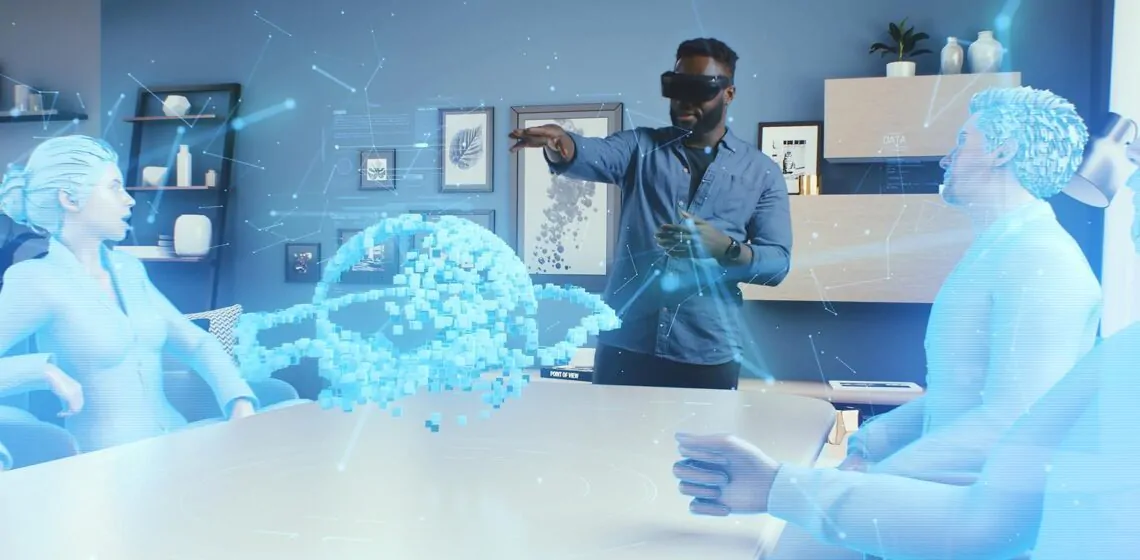
The Metaverse can be understood as a collective, persistent, and shared virtual space created by the convergence of technologies like augmented reality (AR), virtual reality (VR), blockchain, and artificial intelligence (AI). Unlike traditional digital platforms, where users view content from outside, the Metaverse enables participants to enter immersive worlds where they can socialize, shop, work, and even build new realities.
In essence, the Metaverse is the internet brought to life—a 3D environment where avatars, objects, and interactions replicate or even expand upon the real world. It offers continuity, meaning the digital worlds persist and evolve even when users log out, creating a living, breathing digital ecosystem.
Core Technologies Behind the Metaverse
1. Virtual Reality (VR)
VR provides fully immersive environments where users can engage through headsets and haptic devices. It is one of the primary entry points into the Metaverse, allowing for gaming, virtual meetings, and entertainment.
2. Augmented Reality (AR)
Unlike VR, AR overlays digital objects onto the real world through smartphones, smart glasses, or AR headsets. It blends physical and digital experiences, such as shopping apps where users can preview furniture in their homes.
3. Blockchain and Cryptocurrencies
Blockchain ensures decentralized ownership of digital assets, while cryptocurrencies serve as the main financial systems of the Metaverse. Non-Fungible Tokens (NFTs) allow people to buy, sell, and own digital art, land, or items within virtual environments.
4. Artificial Intelligence (AI)
AI powers everything from intelligent avatars to automated moderation and realistic simulations in the Metaverse. It enhances personalization, making each user’s experience unique.
5. 5G and Cloud Computing
High-speed connectivity and advanced computing power are essential for real-time interactions, streaming, and scaling immersive worlds to millions of users simultaneously.
Applications of the Metaverse
1. Social Interaction
The Metaverse redefines social networking by enabling people to meet as avatars in virtual spaces. Instead of simple video calls, friends and families can interact in immersive worlds, attend concerts, or celebrate events together virtually.
2. Gaming
Gaming is currently the most developed application of the Metaverse. Platforms like Roblox, Fortnite, and Decentraland offer interactive environments where users can play, create, and trade items with others across the globe.
3. Work and Collaboration
Remote work is evolving into virtual offices within the Metaverse. Platforms like Meta’s Horizon Workrooms allow teams to meet in 3D spaces, making collaboration more engaging and natural compared to traditional video conferencing.
4. Education and Training
Students can explore historical sites in 3D, medical students can practice surgeries virtually, and professionals can undergo skill training in simulated environments. The Metaverse has the potential to make education more interactive and accessible.
5. Commerce and Retail
Virtual marketplaces allow users to try on clothes, test furniture, or shop for digital fashion for their avatars. Big brands are already experimenting with selling virtual goods, opening a new chapter in e-commerce.
6. Healthcare
Doctors can use the Metaverse for telemedicine, virtual consultations, and even surgical training with 3D simulations. Mental health therapies are also enhanced with calming, immersive environments.
7. Entertainment and Events
Musicians and artists are embracing virtual concerts, exhibitions, and shows in the Metaverse. Audiences worldwide can attend without physical boundaries, creating global communities of fans.
Advantages of the Metaverse
-
Immersive Experiences: The Metaverse enables deeper engagement by blurring the line between digital and physical realities.
-
Global Accessibility: People from different parts of the world can connect instantly, breaking down geographical barriers.
-
Economic Opportunities: From virtual real estate to digital fashion, the Metaverse is creating new industries and jobs.
-
Personalization: Every user can design their avatar, spaces, and experiences according to their identity and preferences.
-
Innovation in Learning and Work: Interactive environments make training and collaboration more effective and creative.
Challenges of the Metaverse
While the potential is enormous, the Metaverse also faces challenges:
-
Privacy and Security: Protecting user data and digital identities in virtual spaces is critical.
-
Digital Inequality: Not everyone has access to VR devices or high-speed internet, which may widen the digital divide.
-
Regulation and Governance: Questions about who controls the Metaverse, intellectual property rights, and taxation remain unresolved.
-
Addiction and Mental Health: Excessive immersion in virtual worlds could impact real-world well-being.
-
Environmental Concerns: The infrastructure required for blockchain and data storage consumes significant energy, raising sustainability issues.
The Future of the Metaverse
The Metaverse is still in its early stages, but its growth trajectory is clear. Technology companies, startups, and investors are pouring billions into developing virtual platforms. As hardware becomes more affordable and connectivity improves, the Metaverse could evolve into the next version of the internet—a fully immersive Web 3.0.
In the future, we might attend schools, work full-time jobs, buy digital real estate, and socialize entirely within the Metaverse. Its influence will likely extend into politics, culture, and global economics, shaping how societies function.
Conclusion
The Metaverse represents more than a technological advancement; it symbolizes a new era of human interaction. By merging physical and digital realities, it offers limitless possibilities for communication, learning, entertainment, and commerce. However, realizing its full potential requires careful attention to ethics, governance, and inclusivity.
As we stand on the threshold of this new frontier, the Metaverse challenges us to imagine what kind of digital worlds we want to build and inhabit. Done right, it can revolutionize not only how we interact online but also how we live, work, and dream in the future.
