
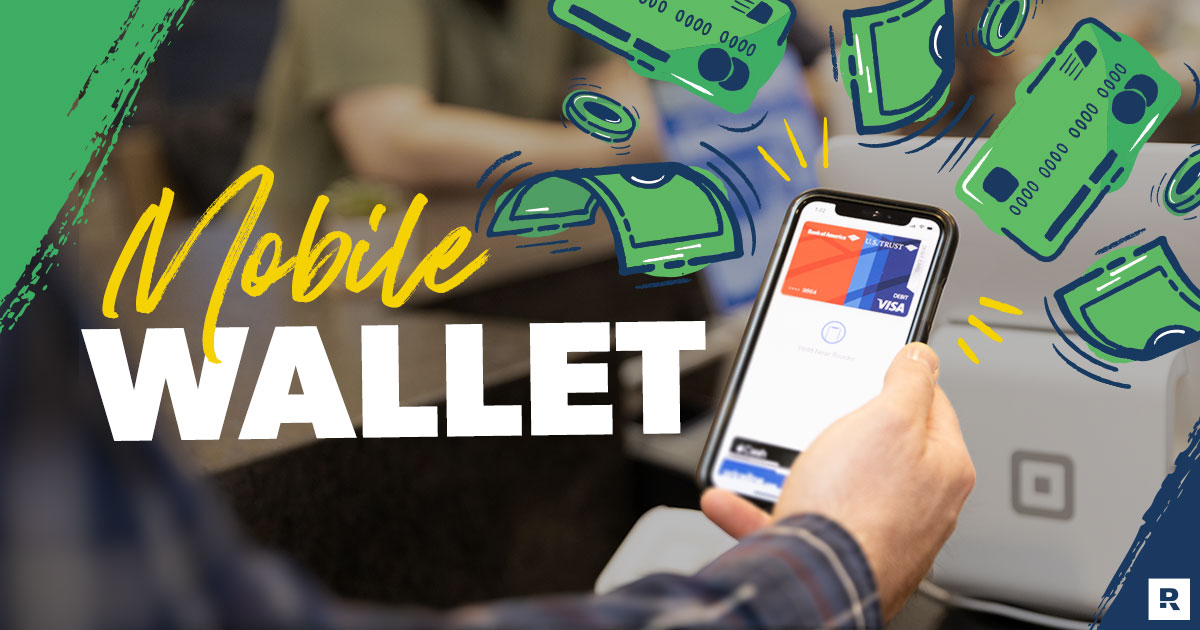
In today’s fast-paced, technology-driven world, convenience has become the defining factor in nearly every aspect of life. From shopping online to managing finances, people expect services that are quick, secure, and accessible at the touch of a button. One of the most revolutionary tools to emerge in the financial and digital ecosystem is the mobile wallet. Often described as a “pocket-sized bank,” mobile wallets have completely redefined how people pay, save, and manage their money.
This article explores what mobile wallets are, how they work, their benefits, challenges, and why they have become essential for everyday life.
What is a Mobile Wallet?
A mobile wallet is a digital application that allows users to store money, payment cards, loyalty cards, and other financial information securely on their smartphones. It eliminates the need to carry physical cash or cards by enabling contactless payments through technologies like Near Field Communication (NFC), QR codes, and mobile internet transactions.
Popular mobile wallets such as Apple Pay, Google Wallet, PayPal, Venmo, and Samsung Pay have transformed smartphones into powerful financial management tools. In countries like China, apps such as WeChat Pay and Alipay dominate daily transactions, while in regions like Africa, M-Pesa has become a lifeline for millions of unbanked individuals.
How Mobile Wallets Work
Mobile wallets are designed to be user-friendly while maintaining strict security protocols. Here’s a simple breakdown of how they work:
-
Account Setup – Users download a mobile wallet app and link it to their bank account, debit/credit card, or add funds directly.
-
Storage of Payment Information – Financial details are encrypted and securely stored in the app, often using tokenization to protect sensitive data.
-
Making a Payment – At checkout, users simply tap their phone, scan a QR code, or authorize payment through the app.
-
Authentication – Security features like PIN codes, biometrics (fingerprint, facial recognition), or two-factor authentication ensure safety.
-
Transaction Completion – Payments are processed instantly, and receipts are available digitally within the app.
Key Benefits of Mobile Wallets
1. Convenience at Your Fingertips
Mobile wallets allow users to leave bulky wallets at home. With just a smartphone, you can pay bills, transfer money, purchase items, and even store tickets or boarding passes.
2. Enhanced Security
Unlike cash or physical cards that can be stolen, mobile wallets offer strong protection. Features like biometric authentication, encryption, and tokenization make it harder for fraudsters to misuse payment information.
3. Faster Transactions
Whether it’s tapping at a store counter or scanning a QR code, mobile wallet payments take just seconds. This speed reduces waiting times and improves customer satisfaction.
4. Financial Management
Many mobile wallet apps provide spending insights, transaction history, and budget tracking features. This helps users manage money more efficiently.
5. Global Reach & Financial Inclusion
In regions with limited access to banking, mobile wallets offer people a way to store and transfer money digitally. For example, in rural Africa and South Asia, mobile wallets have empowered millions who previously had no access to traditional banking services.
Mobile Wallets in Everyday Life
Mobile wallets are not just payment tools—they are reshaping how people interact with money daily. Here are some real-life examples:
-
Grocery Shopping: Pay instantly at checkout without cash or cards.
-
Transport & Travel: Store digital tickets, boarding passes, and even ID documents.
-
Online Shopping: Simplify e-commerce payments with one-tap checkouts.
-
Utility Bills: Pay electricity, water, and internet bills without visiting a bank.
-
Peer-to-Peer Transfers: Instantly send money to friends or family without needing cash.
In short, mobile wallets have become a lifestyle tool, not just a financial product.
Challenges and Risks
Despite their growing popularity, mobile wallets face several challenges:
-
Cybersecurity Risks – Hackers target mobile wallet platforms, making strong security measures essential.
-
Dependence on Internet & Devices – Without smartphones or internet access, mobile wallets are useless.
-
User Awareness – Some users are hesitant to adopt mobile wallets due to lack of trust or knowledge.
-
Merchant Acceptance – In certain regions, not all retailers accept mobile payments, limiting usability.
Future of Mobile Wallets
The mobile wallet industry is expected to grow exponentially in the coming years. Emerging technologies will shape their evolution:
-
Integration with Cryptocurrency – Future wallets may support Bitcoin, Ethereum, and other digital assets.
-
AI & Personalization – Smart recommendations, budgeting tips, and fraud detection powered by AI.
-
IoT Payments – Everyday devices (cars, smartwatches, even refrigerators) will be able to make payments using connected wallet apps.
-
Global Adoption – As societies move toward cashless economies, mobile wallets will become the standard payment method worldwide.
Conclusion
The rise of mobile wallets marks a turning point in financial history. What once required a visit to the bank or carrying physical money can now be done instantly from the palm of your hand. Mobile wallets are not just a convenience—they are a necessity in today’s digital-first world.
By offering security, speed, convenience, and accessibility, mobile wallets have truly become the pocket-sized bank for everyday life. As technology continues to evolve, they will play an even greater role in shaping the future of global payments and financial inclusion.
