
Introduction
Technology evolves so fast that sometimes it feels like we’re sprinting just to keep up—and still tripping over cables along the way. Just when you’ve wrapped your head around cloud computing, here comes another game-changer elbowing its way into the spotlight: edge computing.
But what’s all the fuss about? Why is everyone—from startups to global tech giants—suddenly talking about pushing computation “to the edge”? And how did we jump from centralised processing hubs to tiny devices making decisions on the spot?
Well, buckle up. We’re about to take a deep dive into one of the most exciting shifts in modern computing—a shift that’s rewriting the rules for speed, efficiency, and real-time response. Whether you’re a tech enthusiast, a business leader, or someone who just wants to know why your smart refrigerator might soon outthink your old laptop, this guide is your backstage pass to understanding the digital revolution happening right under our noses.
What Exactly Is Edge Computing?
A Simple Definition—Without the Tech Jargon
Imagine you’re trying to order a coffee at a busy café. Instead of shouting your order across the room to someone in the back office (the cloud), you just tell the barista right in front of you (the edge). Faster, right?
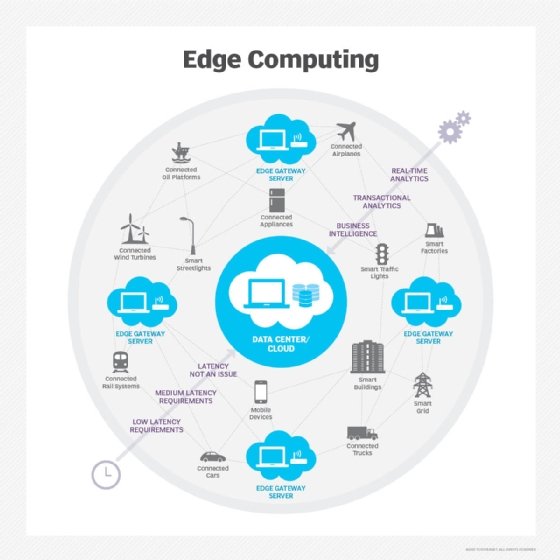
That’s the basic idea behind edge computing—processing data closer to where it’s created rather than shipping it off to far-away servers. By dealing with information locally, devices respond faster, use less bandwidth, and avoid the delays that make critical systems feel like they’re running on dial-up.
Why the Shift Happened
The cloud has been fantastic, don’t get me wrong. But as devices got smarter, hungrier for data, and increasingly interconnected, the old “send everything to the cloud” model started feeling like trying to funnel rush-hour traffic through a tiny off-ramp. Not ideal.
That’s where edge computing swoops in—like an efficiency superhero wearing a cape made of low latency and distributed processing.
Why Edge Computing Matters: The Secret Sauce Behind Real-Time Tech
Edge computing isn’t just a buzzword that sounds cool on engineering blogs. It’s shaping the future of the digital world in ways you might not even realise yet.
Lightning-Fast Performance
When data doesn’t have to travel miles for processing, it responds in a flash. This is critical for systems where delays aren’t just annoying—they’re dangerous.
For instance:
-
A two-second lag in a video stream? Meh, no big deal.
-
A two-second lag in an autonomous vehicle? Say no more.
Lower Bandwidth Usage
Shipping massive data loads to remote servers costs time and money. Edge computing cuts down the data traffic jam, keeping only the essentials flowing back to the cloud.
Improved Reliability
Even if your internet connection is choppy (looking at you, café Wi-Fi), edge devices can keep running. They’re not fully dependent on the cloud’s whims.
Better Privacy and Security
Keeping sensitive information on local devices reduces the risk of large-scale breaches. It’s like storing valuables in a safe at home instead of mailing them across the country.
Real-World Transformations Driven by Edge Computing
1. Autonomous Vehicles: The Fastest Decision Makers on the Road
Edge computing allows self-driving cars to make split-second decisions—essential when navigating traffic, reading road signs, or avoiding obstacles. They can’t stop and “phone home” to the cloud whenever something unexpected happens.
Without edge processing, autonomous vehicles would be about as practical as a submarine in a cornfield.
2. Smart Cities: Urban Life Gets a Tech Upgrade
Cities around the world are becoming smarter, and edge computing is their silent partner backstage.
How it helps:
-
Traffic lights adjust to congestion automatically
-
Energy grids respond to real-time usage
-
Public safety systems detect incidents instantly
-
Environmental sensors monitor air quality on the fly
It’s like giving the whole city a digital nervous system. Pretty wild.
3. Healthcare: When Every Second Counts
In hospitals, milliseconds matter. Edge devices in medical equipment can:
-
Analyse patient data in real time
-
Issue alerts before critical conditions escalate
-
Assist in robotic surgeries with near-zero latency
-
Help wearable devices monitor health continuously
Your smartwatch may soon know something’s wrong before you do.
4. Manufacturing: The Smart Factory Revolution
Factories are upgrading from clunky machines to intelligent systems that can:
-
Predict equipment failure
-
Adjust assembly lines dynamically
-
Optimise energy usage
-
Chat with other machines (well, sort of)
Edge computing turns industrial floors into high-tech ecosystems buzzing with instant feedback loops.
Advantages of Edge Computing That Can’t Be Ignored
Speed, Speed, Speed
Let’s say it again: real-time processing is king. Whether it’s a drone avoiding a collision or a security camera analysing threats, speed saves the day.
Cost Savings
By keeping computation close to the source, companies can significantly reduce cloud costs and network traffic. And who doesn’t love saving money?
Scalability Without the Stress
Edge networks grow organically—add more devices, and you expand processing power automatically. It’s almost like your tech infrastructure is learning to multitask.
Better User Experience
Lag ruins everything—games, video calls, virtual reality. Edge computing makes applications smoother, smarter, and far less frustrating.
Challenges of Edge Computing: It’s Not All Sunshine
Nothing’s perfect—not even the shiny new tech everyone’s raving about.
1. Security Concerns
More devices doing more processing means more potential points of attack. It’s like adding more doors to your house—great for convenience, but you’d better lock them.
2. Management Complexity
Distributed systems can feel like herding digital cats. Keeping everything updated and synced requires careful coordination.
3. Hardware Limitations
Edge devices don’t have the same muscle power as massive cloud servers. They may struggle with complex tasks that require heavy computation.
4. Standardisation Issues
With so many vendors and technologies, there isn’t a universal rulebook yet. That can make integrating systems feel like assembling furniture without instructions.
Who Should Consider Leveraging Edge Computing?
If you’re wondering whether edge computing is right for your business or project, here’s a quick checklist:
-
Do you rely on real-time decision-making?
-
Are network delays causing serious problems?
-
Do you want to reduce cloud costs?
-
Is data privacy a major concern?
-
Do you need local processing due to extreme volume?
If you answered “yes” to even a couple of these, edge computing might be calling your name.
Top Industries Poised to Explode with Edge Innovations
-
Retail – Real-time inventory tracking, smart checkout, personalised ads
-
Agriculture – Soil monitoring, automated irrigation, crop analytics
-
Energy – Smart grids, predictive maintenance of power equipment
-
Gaming – Ultra-low-latency experiences, cloud gaming optimisation
-
Telecommunications – 5G networks using edge nodes for faster mobile experiences
When you connect all the dots, one thing becomes clear: edge computing isn’t just a trend—it’s becoming an integral part of the digital landscape.
FAQs About Edge Computing
1. Is edge computing replacing the cloud?
Not at all. They’re partners, not rivals. Edge handles real-time processing, while the cloud stores and analyses big-picture data.
2. Is edge computing expensive to implement?
It can be at first, but the long-term savings—especially in bandwidth and cloud usage—often offset the cost.
3. Is edge computing safe?
It can be very secure, but like any distributed system, it requires thoughtful protection against potential vulnerabilities.
4. Does edge computing require 5G?
Nope. It works with existing networks, though 5G definitely enhances its capabilities.
5. Who’s using edge computing today?
Almost everyone—tech companies, hospitals, manufacturers, transportation systems, retailers, and countless smart devices.
Conclusion
Edge computing is more than a flashy buzzword—it’s a fundamental shift in how the world processes and understands data. As devices grow smarter and industries become more connected, edge computing steps in as the backbone of real-time, responsive innovation.
It helps cities run smoothly, vehicles think faster, doctors treat patients more effectively, and industries operate with unprecedented efficiency. Sure, it comes with challenges—nothing this transformative arrives without a few bumps in the road—but the benefits are already reshaping our digital reality.
Whether you’re looking to future-proof your business or simply curious about the tech powering tomorrow’s breakthroughs, one thing’s clear: the edge isn’t coming. It’s already here, quietly revolutionising everything around us. And if the pace keeps up, we’ve barely scratched the surface of what’s possible.
