
Introduction
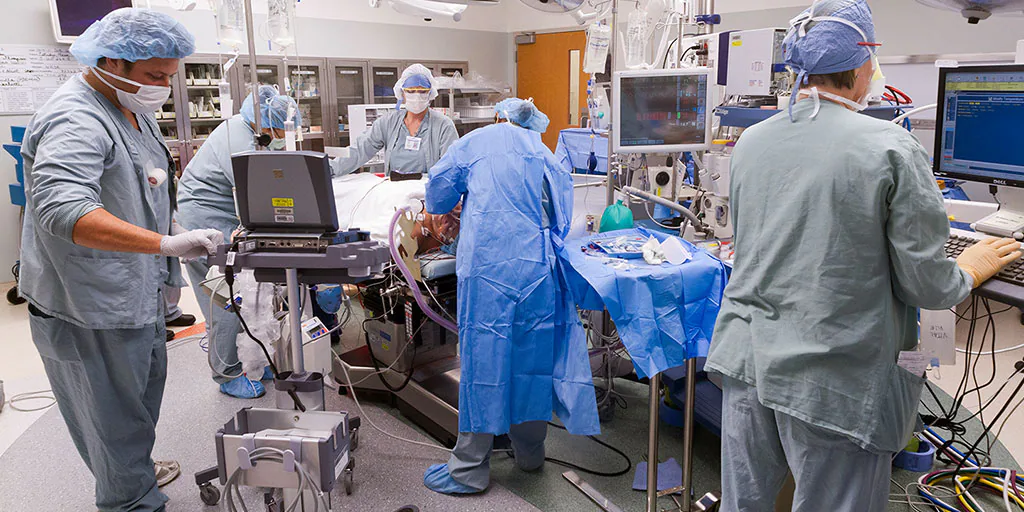
Ever wondered what goes on behind those tightly closed operating room doors? Beyond the surgeon’s steady hands and the anesthesiologist’s calm demeanour, a silent hero is making sure every scalpel, sponge, and clamp is right where it needs to be—the surgical technologist. But what makes a great one tick? It’s not just about knowing the tools of the trade—it’s about mastering a complex blend of surgical tech skills that balance technical precision, emotional control, and lightning-fast teamwork.
If you’re dreaming of stepping into those blue scrubs and becoming the heartbeat of the OR, buckle up. We’re diving deep into the world of surgical technology—where chaos meets calm, and precision meets passion.
The Hidden Backbone of Surgery
Before we get into the nitty-gritty of surgical tech skills, let’s paint the picture. Surgical technologists, often nicknamed “scrub techs,” play a critical role in assisting surgeons during operations. They ensure everything runs like a well-oiled machine—from prepping the instruments and maintaining sterile conditions to passing the right tool at the exact right second.
Without them? Surgery could quickly spiral into confusion. In fact, you could think of a surgical tech as the co-pilot in a high-stakes flight—focused, quick-thinking, and essential.
What Exactly Are Surgical Tech Skills?
Surgical tech skills go far beyond simple know-how. They’re a combination of hard and soft abilities that enable these professionals to perform flawlessly under pressure.
Here’s a breakdown of what truly defines them:
1. Technical Proficiency
Instrument Knowledge: A surgical tech must know hundreds of surgical tools by name, function, and handling technique. Mix up a hemostat with a forceps? Big no-no.
Sterilisation and Aseptic Technique: Ensuring an infection-free environment is non-negotiable. They’re experts at maintaining a sterile field and disinfecting tools.
Operating Room Setup: From lighting to instrument placement, surgical techs set the stage for the entire procedure.
2. Mental Agility
Quick Decision-Making: When seconds count, hesitation can be costly.
Anticipation Skills: A great surgical tech knows what the surgeon needs before they even ask.
Adaptability: Every surgery is unique; sometimes, plans change mid-operation.
3. Emotional Strength
Composure Under Pressure: Blood, urgency, alarms, and keeping a cool head is essential.
Empathy and Compassion: Patients might never see the surgical tech’s face, but the compassion behind the mask matters.
4. Team Communication
Clear Verbal Cues: Miscommunication during surgery can have dire consequences.
Nonverbal Coordination: Eye contact, gestures, and awareness make teamwork seamless.
Why Surgical Tech Skills Matter More Than You Think
Think about it—surgeons can’t do their jobs effectively if the instruments aren’t ready, sterile, or properly managed. One misstep could lead to infection, delay, or even danger for the patient.
Surgical technologists are the unsung guardians of precision and hygiene. Their skills ensure surgeries are smoother, safer, and faster. When every heartbeat matters, their expertise keeps the rhythm steady.
The Technical Toolbox: Hands-On Skills That Save Lives
Now let’s pop open the toolbox and peek inside. These are the cornerstone surgical tech skills that no operating room can do without.
1. Mastery of Instruments
Knowing your clamps from your scalpels isn’t enough—you’ve got to feel them. Experienced techs can identify an instrument by touch alone, even with gloves on. They’re like magicians, passing the exact right tool without missing a beat.
2. Operating Room Prep & Sterility
Before the surgeon even enters, the surgical tech transforms the space into a pristine, sterile zone. Every tool is placed strategically. Every drape is flawless. It’s almost ritualistic.
3. Precision Handing Techniques
Passing a scalpel isn’t just a toss—it’s choreography. Instruments are passed handle-first, at the perfect angle, with an instinctive understanding of what comes next.
4. Handling Specimens
From tissue samples to biopsy materials, surgical techs must handle specimens carefully for lab analysis. Chain of custody and labelling are crucial.
5. Knowledge of Surgical Procedures
A skilled tech doesn’t just follow—they anticipate. Knowing each step of a procedure helps them stay three moves ahead of the surgeon.
The Soft Side of the Scalpel: Emotional and Interpersonal Mastery
Sure, surgical techs need technical brilliance—but soft skills often make the real difference between good and great.
Composure When Chaos Strikes
Surgeries can take unexpected turns. A sudden bleed? Equipment malfunction? A true professional stays calm, breathing through the storm while keeping the team grounded.
Empathy and Discretion
Patients may be unconscious, but dignity remains. Techs treat every person on the table with the same respect and humanity they’d want for their own family.
Team Spirit
Operating rooms thrive on trust. Techs often become the glue that holds surgeons, nurses, and anesthesiologists together.
Adaptability
One minute you’re assisting in a C-section; the next, it’s a trauma surgery. The OR doesn’t wait. Being flexible and curious keeps your skills sharp and your nerves steady.
Common Challenges Surgical Techs Face
Even with incredible skill sets, surgical techs face daily hurdles that test their patience and poise.
Long, Demanding Hours: Surgeries don’t always stick to the schedule.
Emotional Drain: Witnessing trauma or loss can take a toll.
Physical Fatigue: Hours on your feet in sterile gear? Not easy.
Precision Pressure: One small slip could have serious consequences.
But here’s the kicker—those who thrive in this field often describe it as one of the most rewarding careers imaginable. Why? Because they directly impact lives every single day.
How to Build Your Surgical Tech Skills Like a Pro
So, how do you sharpen these all-important abilities? Whether you’re a student or already scrubbing in, here’s your blueprint:
1. Education First
Enrol in an accredited surgical technology program.
Take anatomy, microbiology, and pharmacology seriously—they’ll be your foundation.
2. Hands-On Training
Practice in simulation labs before hitting the real OR.
Intern under experienced professionals—watch, learn, repeat.
3. Get Certified
Passing the CST (Certified Surgical Technologist) exam boosts credibility and confidence.
4. Keep Learning
Medical tech evolves fast. Stay current with new tools, robotic systems, and procedures.
After every surgery, reflect. What went well? What could’ve been smoother? Continuous improvement is key to mastery.
Real-World Scenarios: Where Surgical Tech Skills Shine
To understand just how valuable these skills are, let’s peek at a few real-life situations:
Scenario 1: The Unexpected Bleed
The surgeon’s hand slips, and a vessel bursts. The surgical tech
