
Introduction
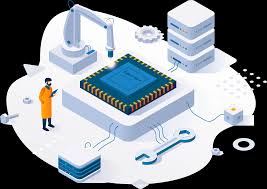
In the world of technology, some of the most powerful forces are not visible to the naked eye. Semiconductors, often called the “tiny engines” of modern technology, are the hidden backbone behind almost every electronic device we use today. From smartphones and laptops to cars, medical equipment, and even satellites, semiconductors make digital innovation possible. Without them, our modern digital lifestyle simply could not exist.
This article explores the history, importance, applications, and future of semiconductors, highlighting why they are the foundation of technological progress.
What Are Semiconductors?
A semiconductor is a material that has electrical conductivity between a conductor (like copper) and an insulator (like glass). The most commonly used semiconductor material is silicon, which is abundant and highly efficient in controlling electrical signals.
The special property of semiconductors is that their conductivity can be controlled by adding impurities (a process called doping) or by applying electric fields. This makes them perfect for creating transistors, diodes, microchips, and integrated circuits that power modern electronics.
A Brief History of Semiconductors
The journey of semiconductors began in the early 20th century. Some important milestones include:
-
1947: The invention of the transistor at Bell Labs by John Bardeen, Walter Brattain, and William Shockley revolutionized electronics.
-
1950s–1960s: The development of integrated circuits (ICs) enabled the miniaturization of electronics.
-
1971: Intel introduced the first commercial microprocessor, setting the stage for personal computing.
-
21st Century: Semiconductors became central to smartphones, AI systems, cloud computing, and high-speed networks.
This rapid advancement shows how semiconductors have been at the heart of every major technological leap.
Importance of Semiconductors in Modern Life
Semiconductors are everywhere, silently working in the background. Their importance can be understood by looking at how they enable:
-
Communication Devices
Smartphones, tablets, and laptops rely on semiconductor chips to process data, connect to the internet, and support applications. -
Transportation
Modern vehicles use semiconductors in engine control units, GPS systems, sensors, and electric vehicle batteries. Autonomous cars, in particular, need advanced chips for AI-driven navigation. -
Healthcare
Medical imaging machines, diagnostic devices, and wearable health monitors use semiconductor technology to process and store data. -
Industry and Automation
Factories rely on robotics and automated systems powered by semiconductor-based controllers and sensors. -
Defense and Aerospace
Satellites, radar systems, and modern defense equipment use highly reliable semiconductors to ensure accuracy and security.
In short, semiconductors are the unseen lifeblood of our connected world.
Semiconductors and the Digital Economy
The global digital economy depends heavily on semiconductors. Industries like artificial intelligence, cloud computing, 5G, and the Internet of Things (IoT) rely on high-performance chips to process enormous amounts of data quickly and efficiently.
The semiconductor industry itself is worth hundreds of billions of dollars annually and continues to grow as demand for smarter, faster, and more energy-efficient devices rises. Countries and companies are investing heavily in semiconductor research and manufacturing because control over chip technology is now seen as a strategic advantage.
Challenges Facing the Semiconductor Industry
Despite their importance, the semiconductor industry faces several challenges:
-
Global Supply Chain Issues
Events like the COVID-19 pandemic revealed vulnerabilities in semiconductor supply chains, causing shortages in industries like automotive and consumer electronics. -
High Production Costs
Manufacturing semiconductor chips requires advanced technology, clean rooms, and expensive machinery, making it one of the costliest industries in the world. -
Geopolitical Tensions
Competition between countries over semiconductor leadership has created tensions, as chips are crucial for both economic and national security. -
Miniaturization Limits
Moore’s Law, which predicted that the number of transistors on a chip would double every two years, is slowing down as physical limits are reached. Researchers are now exploring new materials and architectures.
The Future of Semiconductors
The future of semiconductors is promising and filled with innovation. Some exciting directions include:
-
Quantum Computing: Using quantum bits (qubits) instead of traditional transistors, quantum chips could revolutionize computing power.
-
Nanotechnology: Advanced nanomaterials will make chips smaller, faster, and more energy-efficient.
-
AI-Powered Chips: Special processors designed for artificial intelligence will accelerate machine learning and data analytics.
-
Green Technology: Energy-efficient chips will play a major role in reducing the environmental footprint of digital devices.
-
6G and Beyond: As 5G networks expand, semiconductors will enable faster connectivity, paving the way for 6G communication in the future.
Conclusion
Semiconductors may be tiny, but their impact on the world is enormous. They are the hidden engines driving innovation, powering everything from personal gadgets to global communication networks. Without semiconductors, there would be no smartphones, no internet, no advanced medical equipment, and no artificial intelligence.
As we move into an even more digital and connected future, semiconductors will remain at the center of technological progress. Their continued development will shape industries, economies, and everyday life, making them one of the most vital inventions in human history.
In short, semiconductors are not just tiny pieces of silicon; they are the heartbeat of the digital age.
