
Introduction
Imagine stepping into a digital mall where you can walk through aisles, examine products in 3D, try on clothes virtually, chat with shop assistants in real-time, and make purchases—all without even taking off your pyjamas. Sounds like something straight out of a sci-fi flick, right?
Well, buckle up—because virtual reality e-commerce isn’t just a futuristic fantasy anymore. It’s becoming a full-blown reality, changing the way consumers shop and how businesses engage their customers. From VR showrooms to interactive product demos, this new shopping frontier is smashing the boundaries of traditional online shopping.
In this article, we’ll deep-dive into the transformative world of virtual reality e-commerce—what it is, how it works, why it matters, and where it’s headed. We’ll explore its features, benefits, challenges, and future trends, all wrapped in an engaging, human-like experience that’s easy to digest!
Ready to step into the future of e-commerce? Let’s go!
What Is Virtual Reality E-Commerce?
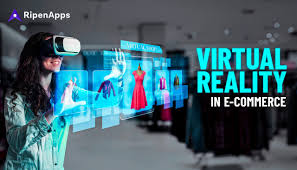
Virtual reality e-commerce combines online shopping with immersive VR technology to create a fully interactive 3D shopping environment. Instead of scrolling through flat images on a website, customers can:
-
Walk through digital stores
-
Pick up virtual items
-
Try on clothing using avatars
-
Interact with sales assistants powered by
-
Inspect product details in 360°
It’s like stepping inside an online store and experiencing shopping as if you were there in person—but with way more convenience.
Why Traditional E-Commerce Needed a Glow-Up
Let’s be honest—while online shopping is super convenient, it often lacks emotional engagement and tactile exploration. You can’t physically see how big a product is, how a couch fits in your living room, or how a jacket looks on your body until it arrives (and sometimes disappoints).
Enter VR, wearing a superhero cape and screaming, “I’ve got this!”
How Virtual Reality E-Commerce Works (A Quick Breakdown)
Here’s how the system typically functions:
1. VR Headsets + Devices
Users wear VR headsets like Meta Quest, HTC Vive, or even smartphone-based VR glasses.
2. Virtual Store Creation
Brands build 3D virtual stores or showrooms, complete with shelves, pathways, lighting, and interactive elements.
3. User Interaction
Customers explore the environment, examine products, zoom in, rotate items, or try them on using avatars.
4. Seamless Checkout
Once they’re satisfied, they proceed to checkout using integrated payment options.
Top Benefits of Virtual Reality E-Commerce
1. Immersive Experience = More Engagement
Customers stay longer and feel more connected.
2. Better Decision-Making
Trying before buying reduces return rates.
3. Personalised Shopping Journeys
, avatars and custom environments tailor experiences.
4. Reduced Physical Store Costs
No rent, utilities, or physical inventory display expenses.
5. Global Customer Reach
A person in Tokyo can visit a New York boutique in seconds.
Industries Thriving in the VR E-Commerce Space
1. Fashion & Apparel
Virtual try-ons are a game-changer—customers can see sizing, fit, and style instantly.
2. Furniture & Home Decor
Apps like IKEA Place allow shoppers to drag and drop furniture into a virtual room model.
3. Automotive
Car brands build VR showrooms where users can explore inside and outside models.
4. Real Estate
VR tours allow potential buyers to explore homes and apartments without travelling.
5. Beauty & Cosmetics
Virtual makeup try-ons replicate real-life application with astonishing precision.
Challenges of Virtual Reality E-Commerce (Because Nothing’s Perfect)
| Challenge | Details |
|---|---|
| High Development Costs | Creating 3D stores isn’t cheap. |
| Requires VR Hardware | Not all customers own headsets. |
| Technical Limitations | Laggy experiences can ruin the vibe. |
| Learning Curve | Not everyone is VR-savvy (yet). |
Will VR Replace Traditional E-Commerce?
Not so fast! While virtual reality e-commerce offers groundbreaking experiences, it won’t completely replace traditional online shopping overnight. Instead, it’s more likely to complement existing methods—offering premium, immersive shopping for users seeking deeper engagement.
Success Stories: Brands Leading the VR Charge
| Brand | VR Strategy |
|---|---|
| Nike | Created VR sneaker try-ons and virtual worlds. |
| Gucci | Built interactive VR boutiques. |
| IKEA | VR home design and product placement. |
| Amazon | Experimenting with VR stores and AR tools. |
How to Launch a Virtual Reality E-Commerce Store (Step-by-Step Guide)
-
Define your VR goals – Experience, conversion, engagement?
-
Choose a platform – Unity, Unreal Engine, Meta Horizon Worlds, etc.
-
Design a 3D store layout – Make it engaging and intuitive.
-
Add product models – 360° views or fully interactive elements.
-
Integrate payment systems – Secure, seamless checkout.
-
Run beta testing – Collect feedback and fix bugs.
-
Launch & promote – Market using social media and influencers.
Future Trends in Virtual Reality E-Commerce
✅ powered personal shopping avatars
✅ Haptic feedback gloves for product interaction
✅ Social VR shopping with friends
✅ VR loyalty programs and virtual collectables
✅ Integration with the Metaverse
Frequently Asked Questions (FAQs)
1. What exactly is virtual reality e-commerce?
It’s an online shopping experience that uses VR technology to let customers explore stores and interact with products in immersive 3D environments.
2. Do I need VR headsets to shop in VR stores?
Usually, yes—but some platforms offer 3D desktop modes for non-VR users.
3. Can businesses of all sizes use VR in e-commerce?
Yes! With accessible platforms and scalable tools, even small businesses can start exploring entry-level VR experiences.
4. Are VR stores more effective than traditional websites?
In many cases—yes! VR increases customer engagement, satisfaction, and purchase confidence.
5. Is VR the future of online shopping?
It sure seems like it! Virtual reality e-commerce is rapidly evolving, and many experts believe it will become a mainstream shopping experience within the next decade.
Conclusion: The Dawn of a New Shopping Era
Virtual reality e-commerce is redefining how consumers connect with brands. It blends realism, personalisation, and innovation into one seamless experience that makes shopping feel fun, exciting, and genuinely interactive.
Sure, challenges exist—but as technology advances and headsets become more affordable, VR shopping will likely become as common as scrolling through a traditional website today. If you’re a business owner, this is your hint to hop on board early. And if you’re a shopper, get ready—your next shopping spree might just involve roaming a neon-lit futuristic mall on a virtual hoverboard!
