
Introduction
Ever wondered how Rembrandt’s portraits seem to glow from within or why Vermeer’s colours look almost otherworldly? Well, you’re not alone! Artists have been puzzling over that warm, candlelit shimmer for centuries. The secret lies in a time-honoured process known as the oil paint glaze technique. It’s not just paint on canvas—it’s alchemy. Through patient layering, light refracts through transparent colours, creating depth that can’t be achieved with flat, opaque paint.
But don’t worry—you don’t have to be a Renaissance master to pull this off. Whether you’re new to oil painting or just looking to add a bit of magic to your existing style, understanding how to glaze properly will open up a whole new world of artistic possibilities. Let’s dig in, layer by layer!
The Art of Glazing: What It Really Means
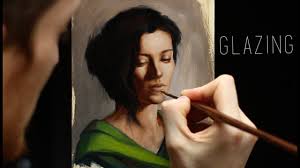
At its heart, the oil paint glaze technique is about layering thin, translucent films of paint over a dry underpainting. Imagine a stack of colored glass panes: each one tinted slightly differently, but together, they form a luminous, multidimensional colour. That’s glazing in a nutshell.
How Does It Work?
When light hits your painting, it doesn’t just bounce off the surface. Instead, it passes through these transparent layers, reflects off the lighter base below, and then bounces back through the glaze—picking up colour as it travels. This creates that signature inner glow and sense of depth that makes a painting feel alive.
Glazing is like letting light dance through your art. The technique’s magic lies in control: too heavy, and you lose the transparency; too thin, and it barely registers. It’s a delicate balance, but oh boy—is it worth mastering!
A Brief Stroll Through Art History: The Masters of the Glaze
You can’t talk about the oil paint glaze technique without tipping your hat to the legends who perfected it.
Renaissance Beginnings
Artists like Jan van Eyck and Leonardo da Vinci used glazing to create subtle tonal transitions and lifelike textures. Their works are practically tutorials in optical layering. The Mona Lisa’s enigmatic smile? Yup, layers and layers of transparent paint.
The Baroque Boom
Fast-forward a bit, and you’ll find masters like Rembrandt and Rubens pushing the technique even further. They layered warm glazes over cool underpaintings to create radiant flesh tones and the illusion of light emerging from shadow. Rembrandt’s “selfies” weren’t just portraits—they were experiments in how light behaves on human skin.
The Modern Touch
Even contemporary artists use glazing to achieve unique effects. While the approach might be less traditional, the core idea—building up richness through transparency—remains the same. It’s one of those techniques that never goes out of style because, well, it works.
The Materials That Make It Happen
Before you dive into glazing, it’s essential to gather the right materials. You don’t need a studio filled with 17th-century pigments, but quality tools will make a big difference.
1. Paints
You’ll want transparent or semi-transparent oil paints for glazing. Some popular ones include:
-
Alizarin Crimson
-
Transparent Oxide Red
-
Ultramarine Blue
-
Viridian Green
-
Burnt Sienna
-
Indian Yellow
Opaque colours can work too, but only in moderation—remember, transparency is key.
2. Media
This is where things get a little “mad scientist.” Glazes are created by mixing paint with a medium—a combination of oil, solvent, and sometimes resin—to make it fluid and transparent.
Common glazing mediums include:
-
Linseed oil – a great all-rounder for beginners.
-
Walnut oil – yellows less over time.
-
Stand oil + turpentine mix – slow-drying, glossy finish.
-
Alkyd medium – speeds up drying for impatient painters (we’ve all been there).
3. Brushes
Soft, high-quality brushes are your best friends here. Think sable or synthetic filberts that won’t leave streaks. Flat brushes can work, too, if you’re going for larger, smoother glazes.
4. Surface
A smooth, primed surface—canvas, panel, or linen—is ideal. The smoother the texture, the cleaner your glazes will look. Rough textures can disrupt the illusion of depth.
Step-by-Step: How to Glaze Like a Pro
Ready to get your hands dirty (metaphorically)? Let’s break down the oil paint glaze technique into easy, digestible steps.
Step 1: Start With a Solid Underpainting
Think of your underpainting as the skeleton—it supports everything else. Use monochrome tones (often greys or browns) to map out values and forms. This is sometimes called a grisaille.
Step 2: Let It Dry Completely
Patience is non-negotiable. Your underpainting must be bone-dry before applying a glaze. If it’s tacky, the new layer will blend and ruin the transparency.
Step 3: Mix Your Glaze
Combine a small amount of paint with your chosen medium. Start with a 1:3 paint-to-medium ratio and adjust as needed. The mixture should feel fluid and translucent—like colored varnish, not thick syrup.
Step 4: Apply the Glaze
Using a soft brush, apply thin, even strokes over the area you want to modify. Wipe excess paint off your brush to avoid drips or clumping. Remember: less is more.
Step 5: Let It Dry Again
Each layer needs to dry before you add the next. Depending on your medium and environment, this could take anywhere from a day to a week. Frustrating? Maybe. But it’s part of the charm!
Step 6: Repeat and Refine
Build up multiple layers until you achieve the desired effect. With each glaze, the painting becomes deeper and richer, almost like peering through colored glass.
Common Glazing Mistakes (and How to Avoid Them)
Even seasoned artists slip up sometimes. Here are a few pitfalls to dodge:
-
Too Much Paint: Glazes should be whisper-thin, not heavy-handed.
-
Impatience: Rushing through drying times will cause muddiness.
-
Ignoring “Fat Over Lean”: Always ensure upper layers contain more oil than the lower ones. This prevents cracking.
-
Overusing Medium: Too much oil or solvent can make your surface sticky or glossy in unwanted ways.
Pro tip? Keep a test panel nearby so you can experiment before committing to your actual painting.
Why the Oil Paint Glaze Technique Still Rocks Today
With acrylics, digital art, and assisted tools around, you might ask—why glaze in oil at all? Great question!
-
Depth and Realism: Nothing matches the optical depth of traditional glazing.
-
Atmosphere: Glazes can create soft transitions and subtle mood shifts.
-
Colour Harmony: Because glazes interact optically rather than physically mixing, they produce more natural, unified tones.
-
Timelessness: It connects you to centuries of painters who chased light just like you do.
There’s also something deeply meditative about the process. You’re not rushing to the finish line; you’re coaxing the painting to life—one layer at a time.
Pro Tips for a Polished Finish
Want to elevate your glazing game? Here’s how to take it up a notch:
-
Use transparent pigments intentionally. Check paint labels for transparency ratings.
-
Work in good lighting. Since glazes change colour as they dry, natural light helps you see true hues.
-
Glaze selectively. You don’t have to cover the whole painting—spot-glazing can enhance contrast beautifully.
-
Varnish wisely. Once everything’s dry (and we mean really dry), a final varnish can unify the sheen and deepen the colours even more.
FAQs About the Oil Paint Glaze Technique
1. Can I use acrylics for glazing instead of oils?
Technically, yes—acrylic glazing is possible, but it behaves differently. Acrylics dry fast and lack the same depth and refraction as oil glazes.
2. How long should I wait between glazes?
Usually 2–7 days, depending on your medium and environment. Touch the surface—if it feels cool but dry to the touch, you’re good to go.
3. Do I have to use a specific brand of paint?
Not at all! Quality matters more than brand. Just make sure your paints are artist-grade and clearly labelled transparent or semi-transparent.
4. What if I mess up a glaze layer?
Don’t panic! You can gently wipe it off with a soft cloth and a bit of solvent while it’s still wet. Once dry, it’s harder to fix—so work cautiously.
5. Does glazing work on portraits only?
No way! Landscapes, abstracts, and still lifes—all can benefit from glazing. It’s all about adding visual depth and light play.
Beyond Technique: The Emotional Side of Glazing
Art isn’t just about mechanics—it’s about emotion. And glazing has a poetic rhythm to it. Each layer represents a new decision, a whisper of colour, a breath of patience. Watching your painting transform slowly, revealing hints of light beneath darkness, can feel downright spiritual.
In an age obsessed with speed, glazing is a quiet rebellion. It asks you to slow down, to appreciate subtlety, to fall in love with the process rather than just the product.
Conclusion
The oil paint glaze technique is more than just an old-school method—it’s a bridge between light, pigment, and imagination. From Renaissance masters to modern creators, artists continue to rely on this luminous layering process to breathe life into their work.
Sure, it takes patience and practice, but every glowing highlight and delicate shadow will reward your effort. Remember: each glaze is a conversation between you and your canvas, a dance between what’s seen and what’s merely suggested.
So, next time you pick up your brush, don’t rush it. Mix that medium, thin that paint, and let the light do its thing. Because when done right, glazing doesn’t just change your painting—it changes how you see.
