
Introduction
Digital transformation is no longer limited to software applications and cloud services. Today, organisations are recreating the physical world in virtual environments to better understand, predict, and optimise real-life systems. At the centre of this shift is digital twin software—a technology that creates a real-time digital replica of physical assets, processes, or entire systems. From smart factories to intelligent cities, digital twins are redefining how modern technology operates.
What Is Digital Twin Software?
Digital twin software is a platform that connects physical objects with their virtual counterparts using real-time data. Sensors, IoT devices, and data streams continuously feed information into the digital model, allowing it to mirror the behaviour, condition, and performance of the physical entity.
Unlike traditional simulations, digital twins are dynamic. They evolve as the real-world object changes, making them powerful tools for monitoring, testing, and decision-making.
How Digital Twin Technology Works
The core components of digital twin software include:
- Physical Asset – Machines, systems, or environments in the real world
- Data Sensors – IoT devices that collect performance and environmental data
- Digital Model – A virtual representation built using advanced software
- Analytics & – Tools that process data and generate insights
- Feedback Loop – Continuous synchronisation between physical and digital systems
This closed-loop system allows organisations to analyse scenarios, predict outcomes, and optimise performance without disrupting real operations.
Key Benefits of Digital Twin Software
1. Predictive Maintenance
One of the most impactful uses of digital twins is predictive maintenance. By analysing real-time data, digital twin software can identify early signs of equipment failure. This helps organisations reduce downtime, lower maintenance costs, and extend asset lifespan.
2. Improved Decision-Making
Digital twins provide accurate, data-driven insights. Engineers and decision-makers can test different strategies in a virtual environment before applying them in the real world, reducing risk and improving confidence.
3. Cost and Resource Optimisation
By simulating workflows and resource usage, digital twin software helps businesses optimise energy consumption, reduce waste, and improve operational efficiency.
4. Faster Innovation
Product development cycles become shorter when companies can test prototypes virtually. Digital twins allow rapid experimentation without the cost of physical redesigns.
Digital Twin Software Across Industries
Manufacturing
In smart factories, digital twins monitor machines, production lines, and supply chains. Manufacturers use them to optimise output, detect bottlenecks, and ensure quality control.
Healthcare
Digital twin technology is emerging in healthcare to model organs, medical devices, and patient treatment plans. It enables personalised medicine and improves clinical decision-making.
Smart Cities
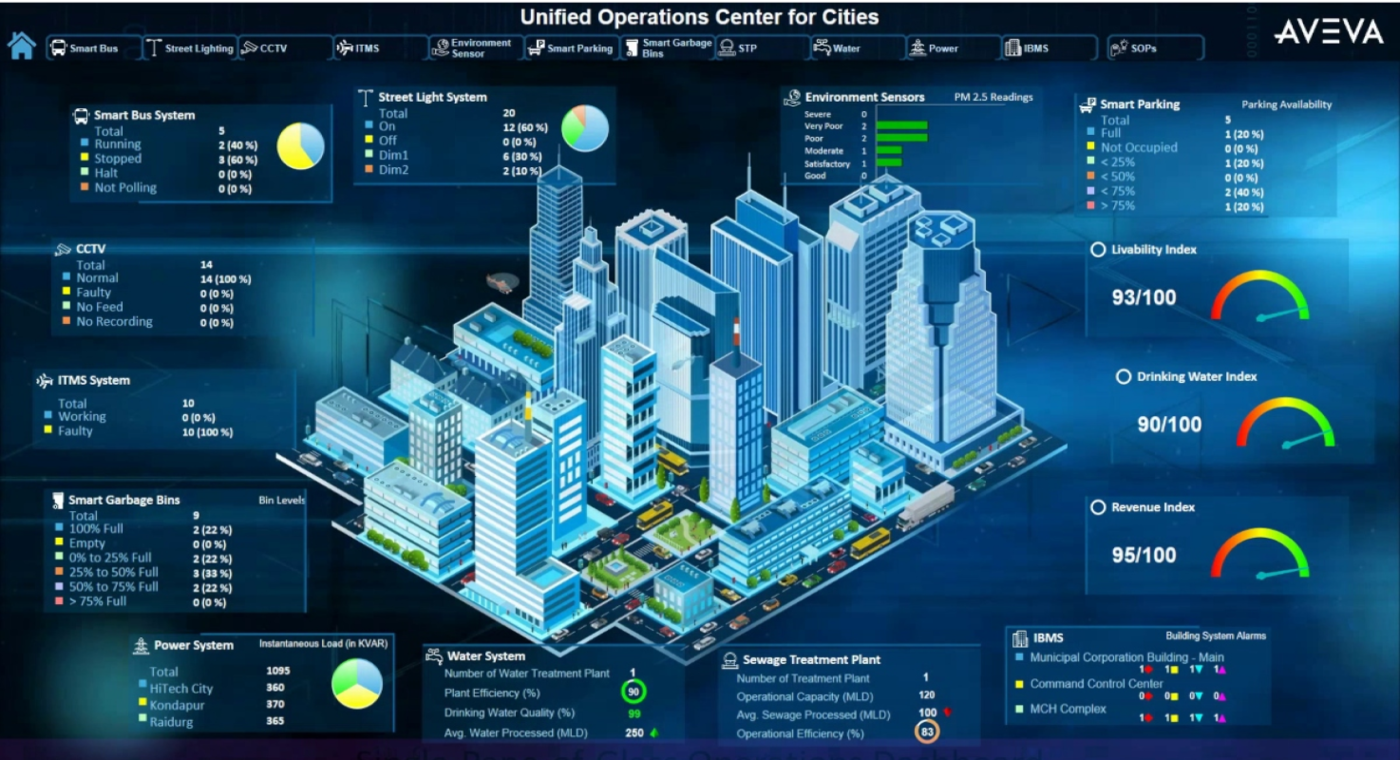
Urban planners use digital twins to simulate traffic flow, energy distribution, and infrastructure development. This supports sustainable city planning and better public services.
Energy and Utilities
Power plants, wind farms, and smart grids rely on digital twin software to monitor performance, forecast demand, and manage assets efficiently.
Aerospace and Automotive
Digital twins are critical in designing aircraft and vehicles. They help test safety, performance, and durability under extreme conditions—without physical risk.
Role of IoT in Digital Twin Software
Artificial intelligence and the Internet of Things significantly enhance digital twin capabilities. IoT ensures continuous data collection, while analysing patterns, predicting outcomes, and automating responses.
Machine learning models embedded in digital twin software can:
- Forecast failures
- Optimise system behaviour
- Adapt models automatically over time
This combination makes digital twins smarter and more autonomous.
Digital Twins vs Traditional Simulation
Traditional simulations are static and based on assumptions. Digital twin software, however, is continuously updated with live data. This real-time accuracy makes digital twins far more effective for operational decision-making and long-term planning.
Challenges in Implementing Digital Twin Software
Despite its benefits, digital twin adoption comes with challenges:
- High initial setup costs
- Data integration complexity
- Cybersecurity risks
- Need for skilled professionals
However, as technology matures and cloud-based solutions expand, these barriers are steadily decreasing.
Future of Digital Twin Software
The future of digital twin software is closely tied to advancements in , 5G, edge computing, and extended reality. In the coming years, we can expect:
- Fully autonomous digital twins
- Deeper integration with metaverse platforms
- Wider adoption by small and medium businesses
- Real-time global-scale digital environments
Digital twins will become a foundational element of modern digital ecosystems.
Conclusion
The power of digital twin software lies in its ability to bridge the gap between physical and digital worlds. By enabling real-time insights, predictive intelligence, and risk-free experimentation, it is transforming how industries operate and innovate. As modern technology continues to evolve, digital twin software will play a crucial role in shaping a smarter, more efficient, and data-driven future.
