
Introduction
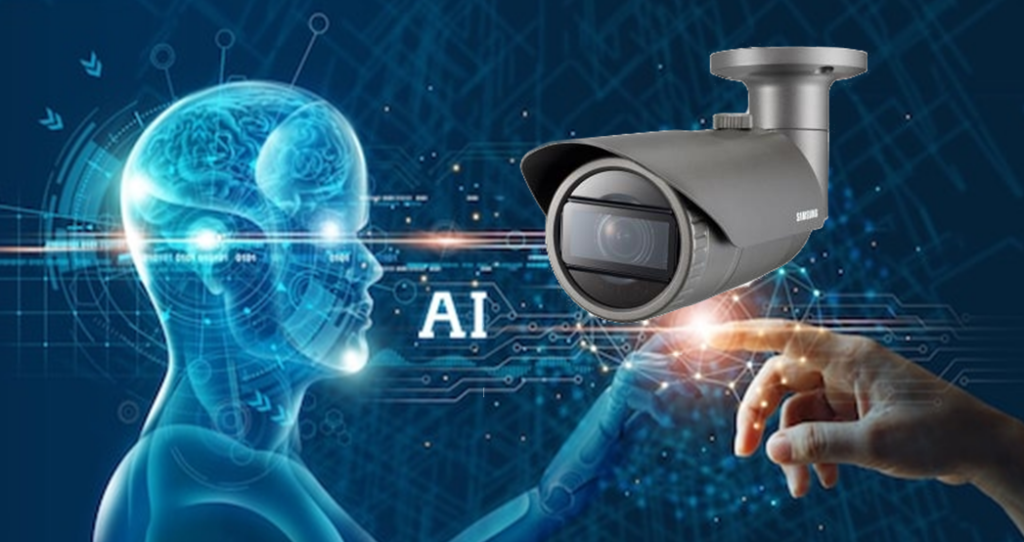
There’s something undeniably magical about capturing a moment. One second it’s happening right in front of you—alive, chaotic, unrepeatable—and the next, it’s frozen in time. For decades, cameras worked as simple recording tools: point, focus, shoot, and hope for the best. But those days are slipping away fast. Enter the AI camera, a new breed of imaging technology that doesn’t just capture reality—it interprets it.
Suddenly, photography isn’t only about lighting or shutter speeds or knowing which button to press. Instead, it’s about a kind of partnership between human intuition and machine intelligence. And trust me, once you start digging into what these cameras can do—well, things get pretty exciting.
In this article, we’ll take a deep dive into how AI cameras work, why they’re transforming everything from personal photography to industrial workflows, and what to expect as this technology keeps evolving. Buckle up—this lens is about to zoom way in.
The Rise of the AI Camera
From an obscure experiment to the centrepiece of modern devices, the evolution of the AI camera has been surprisingly fast.
What Exactly Is an AI Camera?
At its core, an AI camera uses machine learning—especially computer vision models—to analyse scenes, recognise objects, optimise settings, and even make creative choices. Instead of you toying with dozens of controls, the camera anticipates what you want and adjusts accordingly.
But is it just a glorified auto-mode? Not even close.
Imagine a camera that can:
-
Detect when someone is blinking
-
Adjust exposure based on the subject, not just the lighting
-
Stabilise shaky hands instantly
-
Recognise scenes (sunsets, fast motion, food, pets—you name it)
-
Beautify images in subtle, natural ways
-
Track objects in real time, even when they dart off-screen
With all that intelligence stuffed inside a tiny device, it’s honestly wild how far we’ve come.
A Quick Trip Through Photographic History
Before we get lost in futuristic features, let’s take a quick jaunt backwards:
-
Film era: Everything was manual, and mistakes were, well, expensive.
-
Digital revolution: Sensors replaced film; suddenly, photos became unlimited.
-
Smartphones: Cameras got smaller but smarter—and always within reach.
-
Now: AI-driven imaging is blending creativity and automation like never before.
It’s not just about better quality anymore. It’s about better decisions—made in real time—by a device that understands what you’re trying to capture.
How AI Cameras Actually Work (Without All the Tech Gobbledygook)
People hear “AI” and imagine complicated diagrams with arrows and blurry neurons. Let’s simplify.
Scene Recognition: The Camera That Knows What It’s Looking At
Point your phone at a salad, and—bam!—The AI camera realises it’s food. Aim it at your dog as he’s mid-zoomies, and it automatically opts for a faster shutter and optimised focus.
How does it know?
-
Large training datasets
-
Pattern matching
-
Image classification models
It’s not “thinking” in a human sense, but it does recognise distinctive visual patterns.
Computational Photography: Images Built With Algorithms
When you tap the shutter, the camera may actually take multiple exposures—bright, dark, sharp, motion-friendly—and merge them into one impossibly polished shot. All of this happens in milliseconds.
Real-Time Optimisation: No More Guesswork
Dynamic range too high? The camera knows. Harsh backlight? Fixed instantly. Faces underexposed? Corrected. Eyes not in focus? Locked in.
It’s basically like having a seasoned photographer whispering tips into your ear—except you don’t have to listen.
Where AI Cameras Are Making the Biggest Impact
Sure, smartphones get all the hype, but the reach of AI camera technology goes way beyond mobile devices.
1. Everyday Smartphone Photography
Let’s be honest—most people have zero interest in f-stops or white balance. And that’s fine! AI fills the knowledge gap without making you feel like you’re taking a crash course in digital imaging.
With an AI camera, even casual snapshots look like magazine covers.
2. Security & Home Monitoring
AI-powered cameras can:
-
Tell the difference between a person and a stray cat
-
Identify familiar faces
-
Send alerts only when something actually matters
-
Track movement patterns
-
Reduce false alarms
No more “motion detected” notifications caused by a rogue plastic bag fluttering across the yard.
3. Industrial & Commercial Use
From smarter retail analytics to manufacturing inspection systems, AI vision is quietly becoming indispensable.
Example applications include:
-
Counting inventory automatically
-
Detecting product defects
-
Monitoring safety compliance
-
Analysing customer flow in stores
-
Reading labels or barcodes, even at odd angles
4. Health & Accessibility
AI cameras can help people with visual impairments interpret the world around them through audio descriptions. In medical environments, imaging systems can highlight anomalies that the human eye might overlook.
Pretty life-changing stuff.
5. Creative Professions
You may think artists and AI don’t mix, but creators have embraced intelligent imaging tools. From auto-masking to background removal to enhanced detail layers, photographers now spend way less time wrestling with software and way more time doing what they love: creating.
Advantages of AI Cameras (That You’ll Notice Immediately)
Faster, Cleaner, More Consistent Shots
Even if your hands shake like you’ve had one too many coffees, AI stabilisation keeps things sharp.
Smarter Colour & Dynamic Range
Ever tried shooting a sunset and ended up with a black silhouette for a subject? AI’s got your back.
Low-Light Wizardry
It’s almost freaky how well AI cameras handle the dark. Multiple exposures, noise reduction, and intelligent sharpening combine to create miracles.
Effortless Creativity
Portrait mode? Bokeh effects? Long exposure on a handheld device? These used to require expensive gear and know-how. Now, your pocket device handles it.
Better Subject Tracking
Kids, pets, athletes—it doesn’t matter. AI can track them all like a laser-guided system.
Potential Drawbacks You Should Know About
To keep things fair, let’s look at the downsides too.
Overprocessing
Sometimes AI tries a little too hard. You’ve probably seen photos that look a bit artificial or overly sharpened.
Privacy Concerns
Cameras that recognise faces or track motion raise legitimate privacy questions. Who stores that data? Who has access? What happens if it gets hacked?
Dependence on Automation
By relying on AI, some photographers stop learning the manual fundamentals. That’s not always a good thing when more control is needed.
Ethical Considerations
With great technology comes… well, you know the rest. Misuse is always a risk.
The Future of the AI Camera
Ready for the wild part? Everything we’ve talked about so far—impressive as it sounds—is only the beginning.
Hyper-Contextual Understanding
Future AI cameras won’t just recognise objects—they’ll grasp context.
-
Is someone smiling politely or genuinely?
-
Is the lighting romantic or dramatic?
-
Is the moment spontaneous or staged?
Predictive Capture
Instead of reacting, cameras will anticipate action. Think of it as photographing milliseconds into the future.
Personalised Visual Profiles
Your camera will learn your tastes: warmth levels, saturation preferences, composition style, and the types of photos you take most often. Over time, your camera becomes an extension of your artistic identity.
VR, AR & Mixed Reality Integration
Imagine pointing a camera at a historic building, and instantly seeing:
-
Its history
-
Architectural notes
-
Restoration details
-
Fun facts
-
Virtual reconstructions
Mind-blowing possibilities.
Choosing the Right AI Camera: A Quick Guide
If you’re shopping for a new device, whether a phone or a standalone camera, here’s what to look for.
1. AI Features Checklist
Look for features like:
-
Smart scene detection
-
Night mode and computational HDR
-
Intelligent stabilization
-
Real-time subject tracking
-
Background removal
-
Face/eye autofocus
2. Sensor Size Still Matters
No amount of AI can make a tiny sensor behave like a full-frame sensor. Physics is still physics.
3. Test in Real-Life Conditions
Tech demos look great, but how does the camera perform when:
-
Your dog won’t sit still?
-
You’re indoors and the lighting’s meh?
-
You’re shooting a fast-moving subject?
4. Software Updates
Choose a brand committed to improving AI features over time.
Frequently Asked Questions
Q1: Are AI cameras only found in smartphones?
Not at all. You’ll find them in security systems, drones, robots, medical imaging devices, laptops, and even cars.
Q2: Do AI cameras make human photographers obsolete?
No—if anything, they empower photographers. AI handles the grunt work, leaving more room for creativity.
Q3: Is my data safe with an AI camera?
It depends on the manufacturer and how they handle user data. Always check privacy policies.
Q4: Can AI fix a blurry photo?
Increasingly, yes. Modern AI tools can reconstruct details, reduce noise, and clarify subjects surprisingly well.
Q5: Does AI replace manual settings completely?
Not for professionals. Manual controls still matter—but AI makes them optional rather than essential.
Conclusion
The AI camera isn’t just a gadget upgrade—it’s a paradigm shift. Photography, videography, surveillance, creative work, accessibility, and even how we interpret the world are being transformed by cameras that understand what they see.
Far from replacing human creativity, AI acts as a partner—sometimes subtle, sometimes bold—helping us capture moments with ease and clarity we’ve never had before. Whether you’re an artist, a parent, a traveller, or just someone who wants their photos to look less… well, “meh,” AI cameras are redefining what’s possible.
The technology will continue evolving, no doubt at breakneck speed. But at its heart, the goal remains the same: to help us remember, express, explore, and connect. And that? That’s a picture worth taking.
