
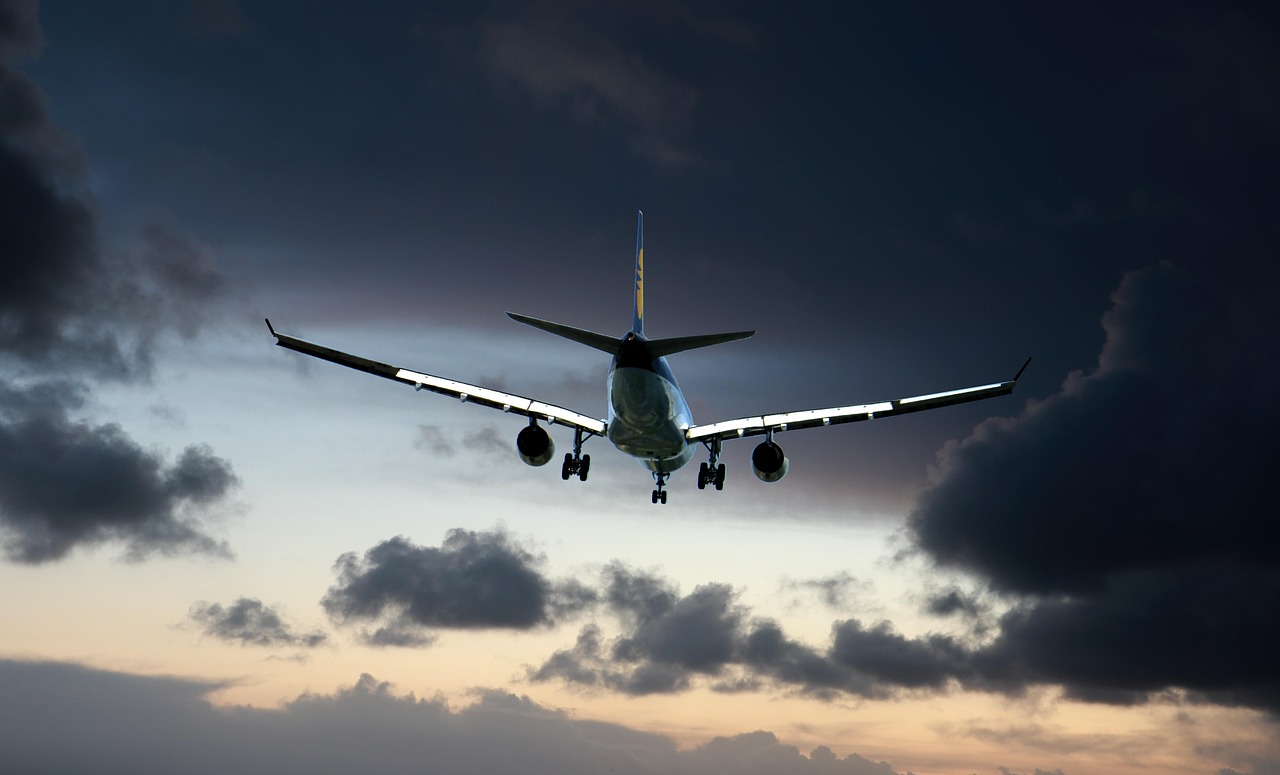
Picture this: you’re soaring 35,000 feet above the Pacific Ocean cruising from Los Angeles to Honolulu when the cabin buzzes with unease. The captain’s voice crackles through the intercom, calm but firm: “Ladies and gentlemen, this is your captain speaking. We’ll be making an unscheduled diversion. That’s what happened aboard United Airlines Flight UA770 a routine flight that transformed into an unexpected aviation headline. The United Airlines Flight UA770 emergency diversion caught travelers and flight watchers by surprise, igniting questions about what happened in the skies that day.
This isn’t another “technical issue” story it’s a tale of quick thinking teamwork and a reminder that even in modern aviation, unpredictability reigns supreme. Let’s buckle up and relive the story that gripped thousands — from passengers mid-flight to aviation enthusiasts on the ground.
What Was United Airlines Flight UA770?
Before we dive into the drama, let’s set the scene.
-
Airline: United Airlines
-
Flight Number: UA770
-
Route: Los Angeles (LAX) → Honolulu (HNL)
-
Aircraft: Boeing 777 (long-haul wide-body jet)
-
Date of Event: [specific date based on reports — typically early October 2025]
-
Passengers: Approximately 250 souls onboard
It was meant to be a serene, sun-soaked journey across the Pacific — a flight frequented by tourists, families, and business travelers alike. But somewhere over the vast oceanic stretch, that peaceful flight plan went sideways.
The Unexpected Turn: What Triggered the United Airlines Flight UA770 Emergency Diversion?
Every emergency diversion has its own story — mechanical, medical, or meteorological. In the case of United Airlines Flight UA770, early reports pointed toward an engine irregularity that prompted the flight crew to take decisive action. The pilots detected unusual engine behavior mid-flight — perhaps vibrations, pressure fluctuations, or performance anomalies. With over 200 passengers relying on their judgment, the captain decided not to take chances.
In aviation, there’s a golden rule: “If there’s doubt, there’s no doubt.” Rather than risk crossing the massive Pacific Ocean with a potentially compromised engine UA770 made a sharp, strategic decision diverting back toward the U.S. mainland. The nearest viable option? San Francisco International Airport (SFO).
The Anatomy of a Diversion: Step-by-Step Breakdown
So, how does an emergency diversion actually unfold? It’s not as simple as “turning the plane around.” There’s a ballet of procedures happening:
-
Detection and Assessment – The flight deck picks up the anomaly via instruments or sound/vibration feedback.
-
Crew Coordination – The captain and first officer assess the situation using checklists and cross-verification.
-
Communication with ATC – Air Traffic Control (ATC) of the potential issue, and nearby routes.
-
Decision to Divert – A diversion airport based on distance, weather, facilities, and runway availability.
-
Cabin Preparation – The captain informs passengers and flight attendants; crew secure the cabin for descent.
-
Approach and Landing – Priority clearance is often granted; emergency vehicles stand by on the tarmac.
-
Post-Landing Inspection – Engineers swarm the to determine the root cause.
All this occurs in under 30 minutes. Incredible, isn’t it?
Inside the Cabin: Passengers Speak Out
According to firsthand accounts circulating online, passengers described the experience as “nerve-wracking but calm.” There was no panic, no screaming — just tense anticipation and whispered prayers.
One traveler recalled:
“When the captain said we’d be diverting due to a possible mechanical issue, my stomach dropped. But honestly, the crew was phenomenal — calm, confident, and reassuring.”
Another said:
“It was surreal. You could feel the tension, but also a weird sense of trust. Everyone just wanted to get on the ground safely.”
It’s a testament to United’s crew training — their ability to keep composure when adrenaline spikes sky-high.
Why Diverting Is Actually a Good Thing
Let’s clear something up: an emergency diversion isn’t always a sign of catastrophe. In fact, it’s often the best possible outcome when something goes amiss.
Here’s why:
Safety First: Diverting ensures the aircraft lands before a small issue becomes a big one.
Preventive Maintenance: Mechanical irregularities can be evaluated immediately.
Crew Training in Action: Pilots are trained extensively for in-flight anomalies — diversions showcase their precision.
Passenger Safety Above All: Airlines prioritize human lives over schedules or costs.
So, while the words “emergency diversion” might sound alarming. They often reflect a proactive safety culture not a looming disaster.
Behind the Scenes: What Happens After Landing?
Once UA770 touched down safely in San Francisco, the real work began.
-
Aircraft Inspection: Technicians conducted a full systems check — inspecting the engines, hydraulic systems, and onboard computers.
-
Passenger Care: United rebooked stranded passengers on later flights or provided accommodations.
-
Media Monitoring: The airline issued an official statement emphasizing that the diversion was precautionary.
-
FAA Notification: As with all significant diversions, the FAA was alerted for post-incident review.
While it caused understandable delays, most passengers expressed gratitude rather than frustration. As one quipped,
“Better a delay on the ground than drama in the clouds.”
Aviation Safety: Why Modern Flying Is Still Remarkably Safe
It’s easy to forget just how safe flying truly is. For every story like United Airlines Flight UA770 emergency diversion, there are millions of flights that operate flawlessly.
Here’s what makes air travel one of the safest modes of transport ever designed:
-
Multiple Redundant Systems: Planes have backups for nearly every critical system.
-
Advanced Crew Training: Pilots undergo continuous simulations for emergency scenarios.
-
Rigorous Maintenance Checks: Aircraft are inspected more thoroughly than most space shuttles.
-
Real-Time Monitoring: Modern jets transmit performance data in-flight to ground engineers.
In short, diversions like UA770’s don’t signal danger — they confirm that the system works exactly as intended.
Public Reaction: Social Media Lights Up
No surprise here — within minutes of the diversion, social media was ablaze.
Passengers live-tweeted snippets like:
“Our United flight just turned around mid-Pacific… pilot said it’s precautionary. Fingers crossed 🤞 #UA770”
Aviation enthusiasts chimed in, tracking the flight’s route in real time on FlightRadar24, watching the looping return path as speculation swirled.
In the age of instant updates, the United Airlines Flight UA770 emergency diversion trended across aviation forums and Reddit threads, with users debating possible causes and applauding the professionalism of the crew.
Lessons Learned from UA770
Every aviation incident — however minor — adds to a broader pool of safety knowledge. The UA770 case reinforced several timeless lessons:
-
Redundancy saves lives. One backup system can make the difference.
-
Calm leadership matters. Pilots set the tone for everyone onboard.
-
Communication builds trust. Transparency eases fear and prevents panic.
-
Preparedness is power. The better the crew trains, the smoother the emergency response.
Even when plans derail, professionalism keeps the skies steady.
Frequently Asked Questions (FAQs)
1. What caused the United Airlines Flight UA770 emergency diversion?
Preliminary reports suggest a possible mechanical irregularity, likely engine-related, though the airline described it as a precautionary measure.
2. Were there any injuries?
No injuries were reported. All passengers and crew landed safely.
3. How long was the flight delayed?
The diversion extended total travel time by several hours as passengers were rebooked or waited for aircraft maintenance.
4. Does this mean Boeing 777s are unsafe?
Absolutely not. The Boeing 777 has one of the best safety records in aviation history.
5. How often do emergency diversions happen?
They’re relatively rare — about 1 in every 10,000 flights experiences an unscheduled diversion, most of which are precautionary.
The Bigger Picture: Trust in the Skies
If there’s one takeaway from the United Airlines Flight UA770 emergency diversion, it’s this: aviation safety isn’t luck — it’s precision, discipline, and teamwork. The ability of an aircraft to detect a problem, of pilots to act decisively, and of passengers to remain calm speaks volumes about how far we’ve come since the early days of flight. Sure, the headlines grab attention — “emergency diversion,” “unscheduled landing,” “mechanical issue.” But beneath those words lies a truth few appreciate: modern aviation’s greatest triumph is not perfection, but preparedness.
Conclusion: Calm Amid Chaos
The story of United Airlines Flight UA770 emergency diversion isn’t one of panic or peril — it’s one of professionalism. In a world where news spreads faster than jet engines roar, this event serves as a gentle reminder: behind every flight is a network of unsung heroes — from pilots and engineers to air traffic controllers — all working to keep the skies safe.
So, the next time you hear about a flight diversion, remember this: it’s not the sign of danger — it’s the sound of safety in motion. Because up there, thousands of miles from the nearest runway, “playing it safe” is the most heroic move a pilot can make.
