
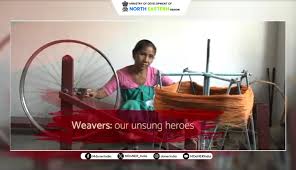
Human civilisation has always been defined by the tools and systems it creates to shape its environment. From the first handlooms that transformed textiles into a foundation of culture and commerce to today’s smart factories driven by artificial intelligence, technology continues to weave new possibilities into our daily lives. Among these transformative innovations is SmartLoom—a concept that combines traditional weaving metaphors with cutting-edge digital intelligence to describe the way modern systems are interconnected, adaptive, and capable of building new futures.
SmartLoom is not just about textiles or machinery—it symbolises a broader paradigm of intelligent weaving: weaving together data, intelligence, connectivity, and human creativity. Just as a loom interlaces threads to create fabric, SmartLoom interconnects technologies, networks, and innovations to build the fabric of tomorrow’s digital society.
The Concept of SmartLoom
At its heart, SmartLoom represents an ecosystem where data and technology are woven into cohesive, intelligent systems. It draws inspiration from both the weaving process and the smart technologies shaping our future:
-
Threads → Data streams
-
Patterns → Algorithms and models
-
Fabric → Integrated smart systems
This metaphor helps us imagine a future where data and intelligence are no longer fragmented but unified into seamless structures that serve humanity.
Why SmartLoom Matters
The importance of SmartLoom lies in solving one of today’s biggest challenges: the fragmentation of technology. Despite advances in AI, IoT, and cloud computing, many systems remain isolated, unable to communicate effectively or share insights. SmartLoom seeks to interweave these isolated threads into a single, intelligent fabric that drives innovation across industries.
Key reasons why SmartLoom matters:
-
Integration of Technologies – It combines AI, IoT, edge computing, and cloud platforms into a holistic system.
-
Real-Time Intelligence – Like weaving threads in motion, SmartLoom ensures dynamic responses to data as it flows.
-
Scalable and Adaptive – Whether in a small business or a smart city, SmartLoom adapts to the scale of the challenge.
-
Human-Centric Design – Technology woven with purpose, aimed at empowering people rather than replacing them.
The Core Pillars of SmartLoom
SmartLoom operates on four main principles:
1. Data as Threads
Every digital interaction, from a smartphone tap to industrial sensors, creates threads of data. These threads are diverse—structured, unstructured, visual, audio—but SmartLoom ensures they are all captured and woven into meaningful insights.
2. Intelligence as Patterns
Just as weavers create intricate designs by organising threads, SmartLoom organises data through AI algorithms, machine learning, and advanced analytics. These patterns represent actionable insights and predictions.
3. Connectivity as the Loom
The loom itself symbolises networks and infrastructure. Without strong connectivity—5G, cloud systems, or edge networks—the threads cannot be woven effectively. SmartLoom depends on this robust backbone.
4. Fabric as Smart Systems
The final product of weaving is a fabric; for SmartLoom, this fabric is the intelligent system—smart cities, autonomous vehicles, precision healthcare, or digital enterprises—that transforms society.
Applications of SmartLoom
1. Healthcare
SmartLoom weaves together patient records, wearable data, and real-time diagnostics to build a holistic picture of health. Doctors gain predictive insights into patient conditions, enabling personalised medicine and faster interventions.
2. Smart Cities
Urban infrastructure is one of the most complex fabrics to weave. SmartLoom integrates traffic sensors, energy grids, public safety networks, and citizen data into a unified platform. This enables smoother mobility, reduced pollution, and more responsive city governance.
3. Industry and Manufacturing
Factories are becoming digital ecosystems. SmartLoom connects supply chains, predictive maintenance sensors, and AI-driven robotics, creating more efficient, sustainable, and resilient manufacturing processes.
4. Agriculture
Precision farming is revolutionised by SmartLoom: sensors monitor soil, drones survey crops, and AI recommends interventions. These “woven” systems increase yield while conserving water and reducing waste.
5. Finance
From fraud detection to algorithmic trading, SmartLoom integrates edge analytics and cloud-based financial intelligence. Banks and institutions can respond instantly to risks while providing personalised services to customers.
The Advantages of SmartLoom
The SmartLoom framework offers multiple benefits:
-
Holistic Integration – No more silos; all technologies work together.
-
Predictive Power – Anticipates problems before they arise.
-
Scalability – Works at both local and global levels.
-
Efficiency – Reduces redundancy and maximises resource use.
-
Resilience – Like strong fabric, SmartLoom creates robust systems that withstand disruption.
Challenges on the SmartLoom Path
While powerful, SmartLoom faces obstacles:
-
Interoperability Issues – Not all systems and devices speak the same language.
-
Cybersecurity Risks – More integration means more potential vulnerabilities.
-
Ethical Concerns – Balancing surveillance, data privacy, and citizen trust is essential.
-
Cost of Implementation – Developing SmartLoom infrastructures requires significant investment.
Overcoming these challenges will require international collaboration, standardised frameworks, and strong ethical policies.
Global Momentum
Governments and corporations are already moving in a SmartLoom direction:
-
European smart city projects weave transportation, healthcare, and sustainability systems together.
-
Asian manufacturing hubs are pioneering digital twin ecosystems for production.
-
Tech giants like IBM, Microsoft, and Google are developing platforms that integrate AI, IoT, and cloud at scale.
These initiatives show that SmartLoom is more than a metaphor—it is a roadmap for the future.
Ethical and Human Dimensions
Technology should not only be intelligent but also human-centred. SmartLoom raises vital questions:
-
Who owns the woven fabric of data—individuals, corporations, or governments?
-
How can citizens trust systems that collect and interconnect so much personal information?
-
What safeguards ensure SmartLoom benefits everyone, not just a privileged few?
Answering these requires a human-first philosophy, where ethics are woven into the technology itself.
The Future of SmartLoom
Looking ahead, SmartLoom could:
-
Enable global digital fabrics, connecting entire nations through shared intelligence.
-
Create fully autonomous infrastructures, such as traffic systems that self-regulate without human oversight.
-
Support bio-digital convergence, weaving together biological data and digital intelligence for breakthroughs in healthcare and longevity.
-
Foster hyper-personalised experiences, where services—from education to entertainment—are tailored to each individual.
Ultimately, SmartLoom could redefine what it means to live in a connected, intelligent society.
Conclusion
SmartLoom is more than a technological metaphor; it is a vision for weaving the future of technology into a coherent, intelligent fabric. By interlacing data, connectivity, intelligence, and human values, SmartLoom has the potential to revolutionise industries, cities, and everyday life.
Like the looms of the past that empowered cultural and economic revolutions, SmartLoom has the power to weave a smarter, fairer, and more sustainable world. The future is not built in fragments—it is woven, thread by thread, into something stronger. And in this weaving, SmartLoom stands as the engine of tomorrow’s fabric.vv
